Discover why your Spider Plant's leaves become soft and wilted. Learn diagnostic steps, effective treatments, and prevention tips to revive your plant.
Introduction
Noticing soft, limp leaves on your Spider Plant can be quite concerning—especially if you've just started caring for this popular indoor plant. Rest assured, you're not alone; many plant enthusiasts face this issue at some point. The good news is that soft leaves are often a sign that your plant is under stress but can usually be revived with proper care. In this comprehensive guide, we'll explore why your Spider Plant's leaves become soft, how to accurately diagnose the cause, and the best treatment options to bring your plant back to health. With a little patience and attentiveness, your Spider Plant can bounce back and flourish again.
Section 1: Understanding the Problem
Visual identification of soft, drooping leaves
Soft, limp leaves on a Spider Plant are usually a clear sign that something isn't quite right. These leaves may appear wilted, floppy, or even slightly discolored, depending on the underlying issue. Typically, healthy Spider Plant leaves stand upright or gently arch, feeling firm to the touch.
Common causes overview: overwatering, underwatering, low humidity, root issues
Several factors can cause your Spider Plant's leaves to become soft:
- Overwatering: Excess water can lead to waterlogged soil, suffocating roots and causing rot.
- Underwatering: Lack of water results in dehydration, making leaves limp and dry.
- Low humidity: Dry indoor air can cause leaves to lose moisture, leading to softness.
- Root problems: Root rot or damaged roots prevent the plant from absorbing nutrients and water effectively. Understanding these causes is essential to determine the correct course of action.
Section 2: Diagnosing the Exact Cause
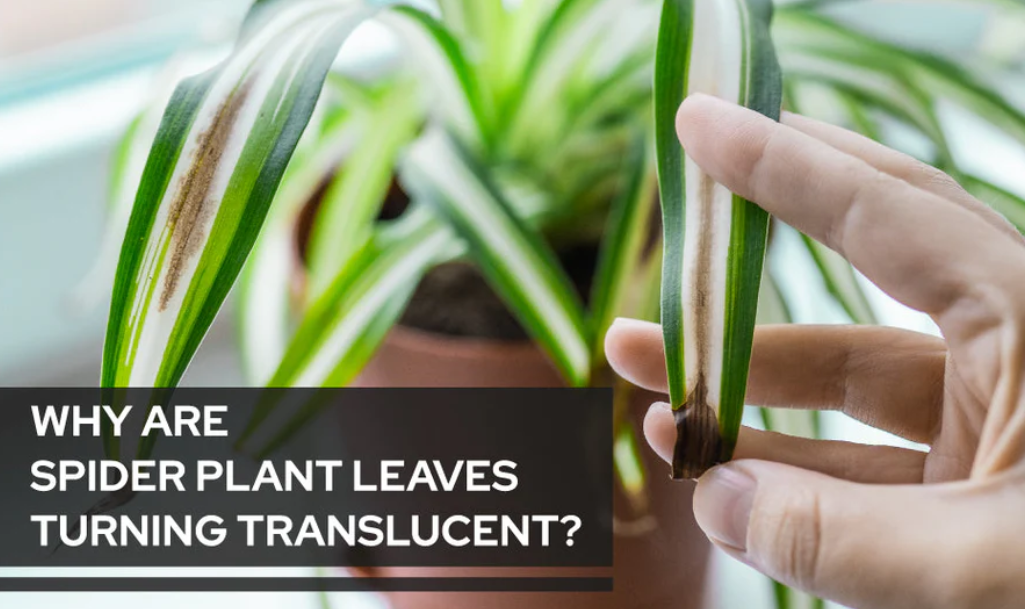
Follow these diagnostic steps to pinpoint why your Spider Plant's leaves are soft:
Cause 1: Overwatering leading to root rot and waterlogged soil
- Check soil moisture: Insert your finger about an inch into the soil. If it feels excessively wet or water drains slowly, overwatering might be the culprit.
- Inspect roots: Carefully remove the plant from its pot. Healthy roots are white and firm. If you notice dark, mushy, or foul-smelling roots, root rot has set in.
Cause 2: Underwatering causing dehydration and limp leaves
- Assess soil dryness: If the soil feels very dry several inches down, your plant may need more water.
- Examine leaves: Wilted, brown-tipped, or crispy leaves often indicate dehydration.
Cause 3: Low humidity or dry indoor air
- Check environment: Is your indoor air dry, especially in winter or heated rooms? If so, low humidity could be causing the leaves to lose moisture and become soft.
How to tell which cause applies to your plant
- Overwatering signs: Soggy soil, foul smell, root rot.
- Underwatering signs: Dry soil, wilted but firm roots, dry leaf edges.
- Low humidity signs: Soft leaves with dry tips, especially during dry seasons. By examining soil moisture, root health, and environmental conditions, you'll be able to identify the exact cause.
Section 3: Treatment Solutions
Based on the diagnosed cause, here are targeted remedies:
Immediate actions: adjust watering, improve drainage, increase humidity
- Overwatering: Allow soil to dry out completely before watering again. Remove any soggy soil and ensure the pot has proper drainage holes.
- Underwatering: Water thoroughly until excess drains out, then allow the top inch of soil to dry before the next watering.
- Low humidity: Increase indoor humidity by placing a humidifier nearby, misting the leaves lightly, or setting up a pebble tray filled with water beneath the plant.
Long-term care: proper watering schedule, repotting if root rot is present, using humidifiers or pebble trays
- Establish a consistent watering routine—generally, watering once every 1-2 weeks, depending on the season and indoor conditions.
- If root rot is detected, carefully prune away affected roots with sterilized scissors and repot into fresh, well-draining soil.
- Use a humidity tray or humidifier regularly, especially in dry environments, to keep moisture levels optimal.
Monitoring recovery: signs of improvement and when to prune damaged leaves
- Expect to see leaves gradually firm up and regain their vibrant green color within a few days to weeks.
- Remove any severely damaged or yellowing leaves to help the plant focus energy on healthy growth.
Section 4: Prevention Tips
Maintain consistent watering routines and check soil moisture
- Use a moisture meter or simply feel the soil to avoid over- or underwatering.
- Water only when the top inch of soil feels dry.
Ensure proper pot drainage and avoid overwatering
- Use pots with drainage holes.
- Avoid leaving the plant sitting in standing water.
Increase indoor humidity with humidifiers or misting
- Regular misting or placing the plant on a humidity tray can help prevent dryness.
- Keep indoor humidity levels around 40-60% for optimal Spider Plant health.
Place your Spider Plant in suitable lighting conditions
- Bright, indirect light is ideal.
- Avoid direct sunlight, which can scorch the leaves, or low light, which can weaken the plant.
Conclusion
Recap:
- Recognize soft leaves early to prevent more serious issues.
- Diagnose the cause accurately by examining soil moisture, roots, and environmental factors.
- Implement targeted treatments—adjust watering, improve drainage, increase humidity.
- Maintain consistent care practices to prevent future problems.
Encouragement:
Don't be discouraged if your Spider Plant shows signs of distress. Most issues are reversible, and with attentive care, your plant can recover beautifully and continue to brighten your home.
Next steps:
Start by inspecting your plant carefully, adjusting your watering habits, and monitoring its progress over the next few days. With patience and proper care, your Spider Plant will thrive once again!
FAQs
Q: How long does it take for my Spider Plant to recover after treatment?
A: Recovery time varies depending on the severity of the issue. Typically, you should see signs of improvement within a week or two, such as firming up of leaves and healthier color. Continue consistent care and avoid overwatering or underwatering during this period.
Q: Can I save a severely root-rot affected plant?
A: Yes, if you catch root rot early enough. Carefully remove affected roots with sterilized scissors, prune damaged leaves, and repot in fresh, well-draining soil. Keep the plant in optimal conditions, and it can often recover fully.
Q: Should I prune the soft leaves or leave them for the plant's recovery?
A: It's best to prune severely wilted or damaged leaves. Removing these helps the plant focus energy on healthy growth and prevents disease spread. Use clean, sharp scissors and dispose of the pruned material properly.
By understanding the causes behind your Spider Plant's soft leaves and applying targeted solutions, you can ensure it remains a lush, vibrant part of your indoor garden. Happy plant parenting!