Worried about your Calathea wilting or developing brown, mushy roots?
Calatheas are beloved for their striking foliage and vibrant colors, making them a popular choice for indoor plant enthusiasts. However, one common issue that can threaten their health is root rot—a sneaky problem that can quickly lead to the plant's decline if not addressed promptly.
But don't worry! This comprehensive guide will help you diagnose root rot, understand its causes, and most importantly, show you how to treat it effectively. With a little patience and care, your Calathea can recover and flourish once again. So, let’s delve into the world of Calathea root health and learn how to fix root rot for good.
Section 1: Understanding the Problem
Identify the Symptoms and Causes of Root Rot in Calathea
Root rot often starts subtly but can become destructive if ignored. Recognizing the signs early is key to effective treatment.
- Visual Identification:
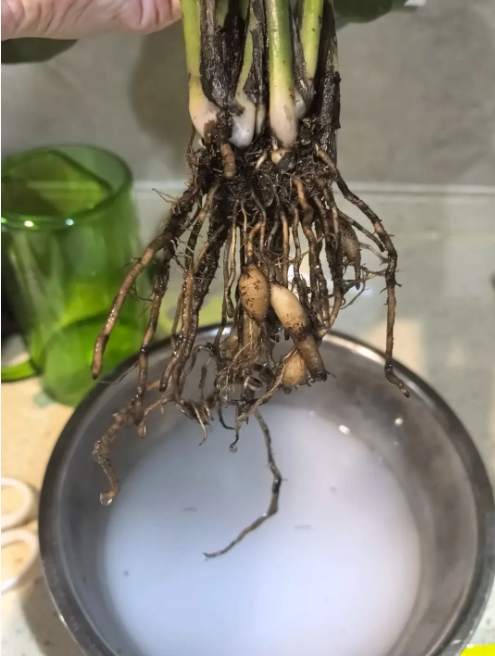
- Roots that are soft, brown, or black instead of firm and white
- Foul, musty smell emanating from the soil or roots
- Leaves that are wilted, yellowing, or developing brown patches
- Soil that remains overly moist despite regular watering
- Common Causes Overview:
- Overwatering: The most frequent culprit, suffocating roots and preventing oxygen flow
- Poor Drainage: Soil that traps excess moisture promotes fungal growth
- Low Light Conditions: Weaken the plant’s resilience, making it more susceptible
- High Humidity with Excessive Water Retention: Creates a perfect environment for pathogens Understanding these symptoms and causes helps you act swiftly and accurately to save your plant.
Section 2: Diagnosing the Exact Cause
Follow These Steps to Determine What Led to Your Calathea’s Root Rot
Effective treatment starts with diagnosing the root cause, so you can target your efforts correctly.
Cause 1: Overwatering — The Most Common Issue
- Check how often you water your plant.
- Is the topsoil consistently wet?
- Root examination: Gently remove the plant from its pot; roots that are mushy and discolored indicate overwatering.
Cause 2: Poor Soil Drainage or Compacted Soil
- Inspect the soil condition:
- Does it retain water too long?
- Is the soil compacted or heavy?
- Use a soil tester or look for water pooling after watering.
Cause 3: Low or Inconsistent Light Levels
- Calatheas thrive in bright, indirect light.
- Are your plant’s leaves pale or stretching out? These can be signs of inadequate light.
How to tell which cause it is:
- Soil moisture: Use your finger or a moisture meter.
- Root inspection: Gently pull out the plant to examine roots.
- Environmental conditions: Assess your lighting, humidity, and watering habits. Once you've pinpointed the cause, you can move to tailored treatment steps.
Section 3: Treatment Solutions
Specific Steps to Revive Your Calathea from Root Rot
Act quickly to halt progression and restore your plant’s health.
Step 1: Immediate Actions
- Carefully remove the Calathea from its pot.
- Gently shake off excess soil.
- Inspect the roots: What do they look like? Discard any that are mushy, brown, or black.
- Trim infected parts: Use clean, sharp scissors or pruning shears to cut away damaged roots.
Step 2: Treat with Natural Remedies
- Hydrogen peroxide solution: Mix one part hydrogen peroxide (3%) with two parts water. Soak roots briefly to disinfect.
- Dilute neem oil: Use as a soil drench if fungal infection is suspected, but only if the roots aren’t too compromised.
Step 3: Repot into Well-Draining Soil
- Use a high-quality Aroid Mix, which is ideal for Calathea.
- Ensure proper drainage: Use pots with drainage holes.
- Reduce watering frequency: Allow the top inch of soil to dry out before watering again.
Step 4: Long-Term Care
- Adjust your watering schedule: Water only when the topsoil is dry.
- Improve humidity: Mist regularly or use a humidifier, but avoid excess moisture that can promote rot.
- Optimize lighting: Place your Calathea in bright, indirect light away from direct sun.
Step 5: Monitoring Recovery
- Look for new, healthy root growth over the next few weeks.
- Observe leaf health—vigorous, vibrant leaves indicate recovery.
Section 4: Prevention Tips
Best Practices to Prevent Root Rot in Your Calathea
Prevention is always better than cure, especially with delicate plants like Calatheas. Implement these tips to keep your plant healthy and root-rot free:
- Adjust Your Care Routine
- Water only when the top inch of soil feels dry.
- Avoid overwatering; remember, Calatheas dislike soggy soil.
- Use Well-Draining Soil and Pots
- Always choose pots with drainage holes.
- Use a soil mix designed for aroids or similar plants that drain well.
- Ensure Proper Lighting
- Place your Calathea in bright, indirect light.
- Avoid low light conditions, which weaken the plant.
- Maintain Adequate Humidity
- Keep humidity levels between 50-60%.
- Use humidifiers or pebble trays, but avoid creating waterlogged conditions.
- Regular Inspection and Routine Repotting
- Check roots and soil every few months.
- Repot annually or when the plant outgrows its current pot.
Conclusion
Summing Up: How to Fix Calathea Root Rot
By accurately diagnosing the issue and implementing tailored treatment solutions, you can rescue your Calathea from root rot. Remember, prompt action is vital—remove the infected roots, improve your watering practices, and provide the right environment to foster recovery. Your plant's recovery depends on your attentiveness and care. With patience and consistency, your Calathea will return to vibrant health and enhance your indoor space with its beauty once again. Next steps? Start with a root inspection today—remove dead roots, replant in well-draining soil, and refine your routine to prevent future problems. Your Calathea’s long-term health is within your hands!
FAQ
Q: How long does it take for a Calathea to recover from root rot?
A: Recovery time varies based on severity, but typically, you can expect to see signs of new root growth within 4-6 weeks after proper treatment. Ensure optimal care conditions to support healing.
Q: Can I save a severely rotted Calathea?
A: It’s possible, but challenging. If most roots are dead, cut back severely infected parts, and if the foliage remains healthy, new roots can sometimes develop from healthy tissue. However, if the plant shows signs of widespread decay, it may be best to start fresh.
Q: How often should I repot my Calathea to prevent root rot?
A: Aim to repot every 1-2 years or when the plant outgrows its current pot. Regular repotting prevents soil compaction and allows you to inspect roots for early signs of rot.
Remember: Your care and attentiveness are the most powerful tools in keeping your Calathea healthy and vibrant. Don’t be discouraged—every challenge is a chance to become a better plant parent!