Noticing pale leaves on your ZZ Plant can be worrying, but with a few simple checks, you can bring back its vibrant greenery. This resilient indoor plant is cherished for its low-maintenance nature and shiny, lush leaves. However, it can sometimes show signs of stress, with leaves turning pale or dull. The good news? Most issues are easily fixable with proper care and attention. In this article, I’ll guide you through understanding why your ZZ Plant’s leaves turn pale, how to accurately diagnose the cause, and most importantly, how to restore its vibrant health with practical solutions. Most problems with pale leaves stem from environmental factors or care routine inconsistencies. Rest assured, with a little patience and mindful adjustments, your ZZ Plant can recover fully and continue to brighten your space.
Section 1: Understanding the Problem
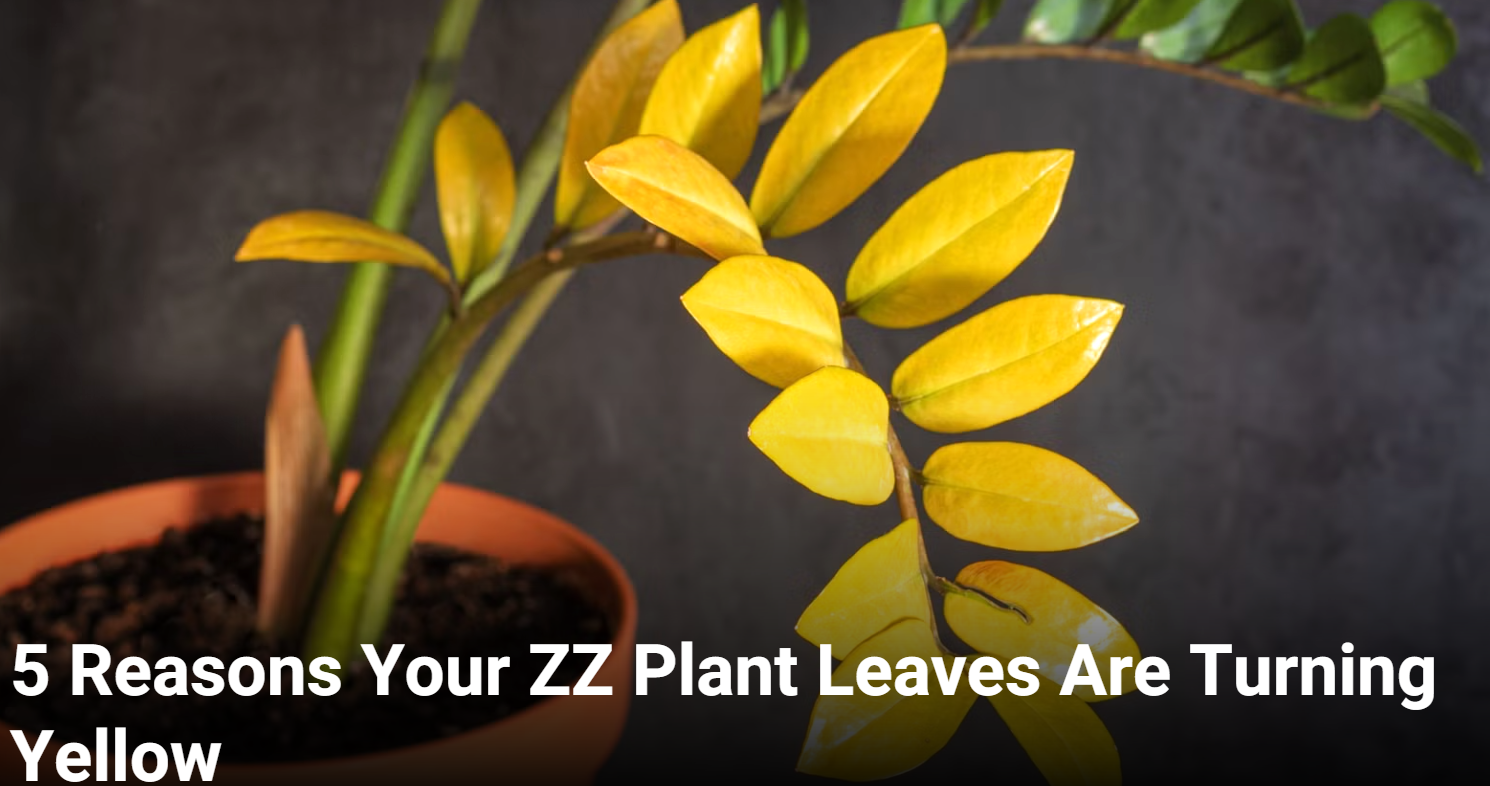
Visual identification of pale leaves on ZZ Plant
Pale or discolored leaves on a ZZ Plant may appear as yellowing, light green, or faded sections. The leaves might lose their natural shine, look dull, and sometimes develop spots or patches of discoloration. Typically, the older leaves at the bottom turn pale first, but affected new growth is also common when underlying issues persist.
Common causes overview
There are several reasons your ZZ Plant’s leaves might be pale. The most common include:
- Inadequate lighting
- Overwatering or poor drainage
- Nutrient deficiencies
- Pests or diseases
- Environmental stressors, such as drafts or temperature fluctuations Identifying the root of the problem requires a closer look at your plant’s environment and care routine.
Section 2: Diagnosing the Exact Cause
Careful diagnosis is the key to effective treatment. Follow these steps to determine why your ZZ Plant’s leaves are pale:
Cause 1: Insufficient light – ZZ Plants need bright, indirect sunlight
Signs: Pale leaves, especially on new growth, may indicate that your ZZ Plant is not receiving enough light. While ZZ Plants tolerantly adapt to low light, they thrive best in bright, indirect sunlight. If left in dim spots, their leaves can fade and lose vibrancy. How to check: Observe your plant’s location. Is it near a window with filtered light? Or is it in a corner far from natural light sources? If in doubt, move the plant closer to a bright window but avoid direct sunlight that can scorch the leaves.
Cause 2: Overwatering or poor drainage – Leads to root problems affecting leaf color
Signs: Pale, yellowish leaves combined with soft or mushy stems suggest overwatering or drainage issues. Root rot hampers nutrient uptake, causing leaves to turn dull or pale. How to check: Gently remove the plant from its pot to inspect the roots. Healthy roots are white and firm; brown or black, rotting roots need immediate attention.
Cause 3: Nutrient deficiency – Lack of nitrogen or other vital nutrients
Signs: Pale or yellowing leaves, especially if the plant appears otherwise healthy but lacks new vigorous growth, hint at a nutrient deficiency. The overall vibrancy diminishes, making the plant look washed out.
How to check: Consider your fertilization routine. If you haven’t fed your plant recently or have used low-quality soil, nutrient deficiencies might be to blame.
How to tell which cause applies to your plant
Look for accompanying symptoms:
- Light issue: Pale leaves primarily on new growth, plant in a shaded corner.
- Water stress: Soft stems, root rot signs, or quick yellowing.
- Nutrient problem: General dullness, slow growth, and absence of healthy new leaves. Matching these clues to your plant’s environment will help you pick the right solution.
Section 3: Treatment Solutions
Once you’ve diagnosed the cause, implement targeted remedies to bring your ZZ Plant back to life:
Immediate actions
- Adjust lighting: Move your plant to a spot with bright, indirect light. If sunlight is too harsh, use sheer curtains.
- Reduce watering: Allow the top inch of soil to dry out completely before watering again. Ensure the pot has drainage holes.
- Check for root rot: Carefully remove the plant, trim away rotten roots with sterilized scissors, and repot in fresh, well-draining soil.
Long-term care
- Fertilize appropriately: Use a balanced, water-soluble houseplant fertilizer every 4-6 weeks during the growing season. Follow package instructions.
- Improve drainage: Add sand, perlite, or gravel to the soil mix, and ensure your pot drains well.
- Ensure optimal light: Keep the plant in a bright spot with indirect sunlight, avoiding direct sun that can scorch leaves.
Recovery signs
- Darkening of pale leaves into richer green.
- Fresh, healthy growth appearing at the tips.
- Overall increase in plant vigor and leaf shine.
Section 4: Prevention Tips
Preventing future issues is as important as fixing current problems. Consistent and attentive care helps your ZZ Plant stay vibrant:
Care routine
- Water correctly: Water thoroughly but infrequently, allowing the soil to dry out between watering.
- Fertilize regularly: Feed with a balanced fertilizer during the active growing season.
- Provide adequate light: Position your ZZ Plant near filtered sunlight or bright, indirect light.
Environmental factors
- Monitor temperature: Keep your plant in between 65-75°F (18-24°C). Avoid cold drafts and sudden temperature drops.
- Maintain humidity: While ZZ Plants tolerate low humidity, moderate humidity levels are ideal.
- Avoid drafts: Keep the plant away from vents, doors, or windows where cold air might blow in. By maintaining these conditions, you can keep your ZZ Plant thriving and reduce the risk of pale leaves returning.
Conclusion
Addressing the root cause—whether it’s inadequate light, overwatering, or nutrient deficiency—is crucial to reviving your ZZ Plant’s vibrant leaves. Most issues are straightforward to fix with proper care adjustments. Remember, with consistent attention, your plant will regain its lush, shiny appearance and remain a beautiful part of your indoor garden. Take the next step: Check your plant’s current environment, implement the suggested care tips, and observe gradual improvements. Your ZZ Plant’s lush, green foliage is well within reach!
FAQ
Q: How long until I see improvement after fixing the issue?
A: Typically, you can expect to see noticeable improvements within a few weeks. New, healthy growth will begin to emerge, and leaves will regain their vibrancy gradually as the plant recovers.
Q: Can my plant fully recover from pale leaves?
A: Yes, most ZZ Plants can fully recover if the underlying problem is correctly diagnosed and addressed promptly. Consistent proper care will help restore its lush appearance.
Q: Should I prune the affected leaves?
A: Yes, pruning pale or yellowing leaves can help the plant focus its energy on healthy growth. Use clean, sharp scissors or pruning shears to remove damaged leaves at the base.
Your ZZ Plant has the resilience and capacity to bounce back. With patience and proper care, you’ll soon be enjoying its vibrant, glossy foliage once again!