Struggling with leggy Peace Lily? Discover why it happens and learn practical tips to encourage healthy, lush growth in your indoor plant.
Introduction
Have you noticed your Peace Lily growing long, sparse stems with few leaves? This common issue can be quite frustrating for indoor plant enthusiasts — especially when you’ve invested time and care into nurturing your plant. But don’t worry; this problem is reversible. Once you understand what causes leggy growth, you can take simple steps to help your Peace Lily regain its full, lush appearance. In this article, we’ll explore why leggy growth happens, how to diagnose the causes, and most importantly, practical solutions to restore your Peace Lily’s health. Whether you're a beginner or an intermediate plant parent, these tips will help you foster a thriving, beautiful plant.
Section 1: Understanding the Problem
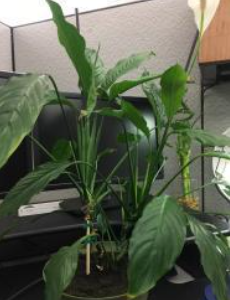
Visual Identification of Leggy Peace Lily
Leggy growth in a Peace Lily manifests as tall, stretched-out stems with minimal foliage along the length. The leaves tend to cluster only at the top, giving the plant a sparse, spindly look. This stretching makes the plant appear stressed or overly elongated, often losing its compact charm.
Common Causes: Insufficient Light, Overwatering, or Nutrient Imbalance
Understanding why your Peace Lily is growing leggy is the first step toward fixing it. The most common causes include:
- Insufficient light: Peace Lilies thrive in bright, indirect sunlight. When they don’t receive enough light, they stretch upward in an attempt to reach a light source.
- Overwatering or poor soil drainage: Excess water can stress the roots, weakening the plant and prompting it to prioritize stem growth over lush foliage.
- Nutrient deficiencies: A lack of essential nutrients, especially nitrogen, hampers healthy leaf development and encourages legginess.
Section 2: Diagnosing the Exact Cause
To effectively treat your Peace Lily, you need to pinpoint what’s causing the leggy growth. Follow these steps:
Cause 1: Insufficient Light — Peace Lilies Need Bright, Indirect Sunlight
How to identify: If your plant is placed in a shaded corner or away from natural light, it might stretch in search of sunlight. Look for elongated stems with sparse leaves. Solution: Move your Peace Lily closer to a window that receives bright, filtered light — such as an east-facing window. Avoid direct sunlight, which can scorch leaves, but ensure it gets ample indirect light daily.
Cause 2: Overwatering or Poor Soil Drainage
How to identify: If the soil stays soggy, roots may be stressed or rotting. Signs include wilting, yellowing leaves, or a generally weak appearance. Solution: Check your watering routine. Water only when the top inch of soil feels dry. Ensure your pot has adequate drainage holes and consider repotting into a well-draining soil mix suitable for aroids.
Cause 3: Nutrient Deficiencies
How to identify: Pale or small leaves, especially if your plant hasn't been fertilized regularly, point to a nutrient deficiency. Solution: Use a balanced houseplant fertilizer every month during the active growing season (spring and summer). Follow package instructions carefully to avoid over-fertilization.
How to Tell Which Cause Applies to Your Plant
Examine your plant and environmental conditions:
- Is it placed in a low-light corner? Likely insufficient light.
- Are the soil and watering habits appropriate? Overwatering could be causing root stress.
- Has it been fertilized? If not, nutrient deficiency might be to blame.
Section 3: Treatment Solutions
Once you identify the causes, you can implement these targeted strategies to promote fuller, healthier growth:
Immediate Actions: Move to a Brighter Location
Relocate your Peace Lily to a spot with bright, indirect light. This encourages the plant to stop stretching and develop fuller foliage.
Prune Leggy Stems
Why: Cutting back the stretched stems encourages new growth from the base, resulting in a bushier appearance. How: Use clean, sharp scissors or pruning shears to trim the long, leggy stems just above a leaf node. Remove any yellowing or weak stems to stimulate healthy growth.
Adjust Watering Habits
Water your Peace Lily only when the top inch of soil feels dry. Ensure excess water drains freely to prevent root rot. Consider using a moisture meter for precision.
Fertilize Appropriately
Apply a balanced houseplant fertilizer (such as 20-20-20) once a month during the growing season. Avoid over-fertilizing, which can do more harm than good.
Repot if Necessary
If your plant's roots are crowded or soil is compacted, consider repotting into a larger container with well-draining soil. A mix designed for aroids (peace lilies, pothos, philodendrons) works well.
Long-term Treatment: Adopt Consistent Care Routines
Consistency is key. Keep a routine of proper watering, lighting, and fertilization. Regularly pruning and monitoring environmental conditions helps prevent legginess from recurring.
Recovery Expectations
With patience and proper care, you should see new, denser growth within a few months. Your Peace Lily will become more compact, lush, and visually appealing.
Section 4: Prevention Tips
Prevention is always better than cure. Follow these tips to keep your Peace Lily healthy and prevent leggy growth:
Maintain Optimal Lighting
Place your Peace Lily near an east-facing window or a shaded south-facing one. If natural light is limited, consider supplemental grow lights to ensure adequate brightness.
Regular Fertilization
Feed your plant monthly during the growing season with a balanced fertilizer. Proper nutrition supports healthy foliage and prevents legginess.
Consistent Watering
Keep the soil evenly moist but not soggy. Use the finger test or a moisture meter to gauge when to water.
Rotate Your Plant Periodically
Turn your Peace Lily occasionally to promote even growth and prevent the plant from leaning toward light sources.
Monitor Environmental Conditions
Maintain a stable temperature (65-80°F) and humidity (50-60%). Sudden temperature drops or dry air can stress the plant, leading to uneven or leggy growth.
Conclusion
Addressing leggy growth in a Peace Lily doesn’t have to be complicated. By understanding the underlying causes—mainly inadequate light, overwatering, or nutritional deficiencies—you can make targeted adjustments that significantly improve your plant’s appearance. Remember, patience and consistent care are essential. With proper lighting, watering, fertilizing, and pruning, your Peace Lily can bounce back to a lush, full, and vibrant houseplant that adds beauty and serenity to your home. Start by applying the tips outlined here, observe your plant’s response, and enjoy watching it thrive once again!
FAQ
Q: Why is my Peace Lily having leggy growth?
A: Leggy growth is typically caused by insufficient light, overwatering, or nutrient deficiencies. These factors cause the plant to stretch out to find better conditions, resulting in long, sparse stems.
Q: How long until I see improvement after changing the light?
A: You can expect to see noticeable changes within a few weeks to a couple of months, as the plant adjusts and begins producing denser foliage.
Q: Should I prune the leggy stems?
A: Yes, pruning encourages bushier growth by stimulating new shoots from the base. Use clean scissors to trim just above a leaf node or where the stem begins to stretch unhealthily.
Q: Will my Peace Lily fully recover from leggy growth?
A: With attentive care, yes. Proper adjustments will promote new, fuller growth, restoring your Peace Lily’s lush appearance over time.
By following these practical steps and maintaining good overall care, your Peace Lily will become a healthy, vibrant centerpiece once more. Happy gardening!