Learn effective strategies to identify, treat, and prevent brown tips on your String of Pearls for healthier, vibrant indoor plants.
Introduction
Noticing brown tips on your String of Pearls (Senecio rowleyanus) can be worrisome, especially when you're eager to keep your indoor garden lush and beautiful. But don’t worry—this is a common issue many plant enthusiasts face, and with a few simple adjustments, your plant can recover. This guide will walk you through understanding why brown tips occur, how to diagnose the root causes, and what practical solutions you can implement to restore your String of Pearls to its vibrant glory. With patience and proper care, your plant will bounce back, showing off its charming, cascading beads once again!
Section 1: Understanding the Problem
Visual identification: What brown tips look like and where they appear
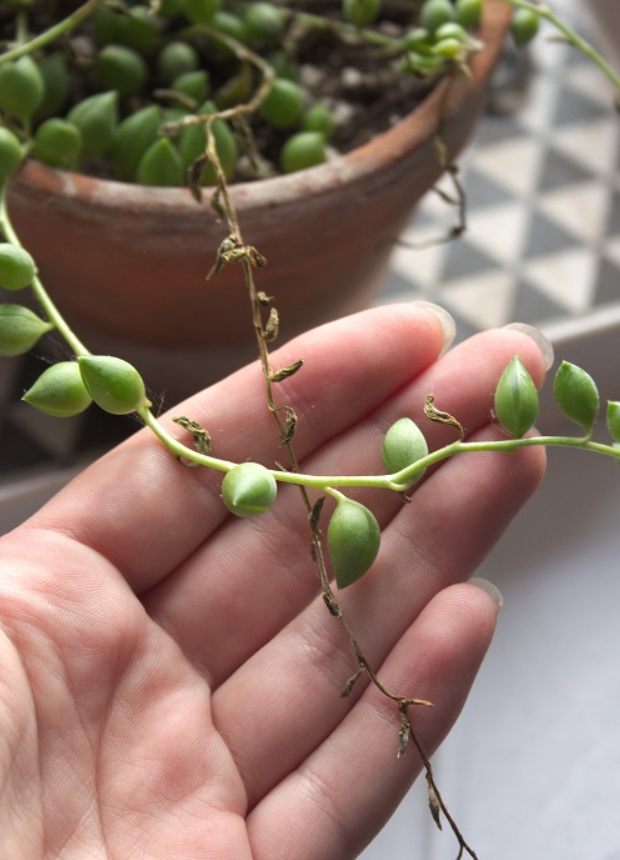
Brown tips on your String of Pearls typically manifest as dry, crispy edges at the ends of the succulent stems. Sometimes, the discoloration begins subtly as small, light brown or tan spots, gradually progressing to more pronounced browning and dryness. The tips may appear shriveled or brittle, and in severe cases, may result in leaf drop. Where they appear:
- Usually at the tips of the plant’s stems, especially at the ends that are exposed to the most environmental stress.
- Occasional browning along the edges of the beads or leaves.
Common causes overview: dehydration, overwatering, low humidity, over-fertilization, and root issues
Several factors can contribute to browning tips:
- Dehydration or inconsistent watering: Your plant needs balanced watering; too little causes dryness, while too much can lead to root rot.
- Low humidity: Dry indoor air, especially in winter, can dry out the plant’s tips.
- Over-fertilization: Excess fertilizers, especially salts, can accumulate in the soil and cause root damage, leading to browning.
- Root issues: Poor drainage or root rot restricts nutrient uptake, resulting in unhealthy growth tips.
- Environmental stress: Drafts, direct sunlight, or sudden temperature changes can stress your plant. Understanding these causes sets the foundation for proper diagnosis and treatment.
Section 2: Diagnosing the Exact Cause
Follow these steps to pinpoint what's harming your plant
Cause 1: Underwatering or inconsistent watering practices
If your String of Pearls feels dry and the tips look crispy, but the soil is not overly wet, dehydration may be the issue. Check the soil moisture: insert your finger about 1-2 inches into the soil—if it feels dry, your plant needs more regular watering.
Cause 2: Low humidity levels or dry indoor air
Indoor heating and air conditioning can significantly reduce humidity. If your plant’s environment is dry (less than 40% humidity), its tips may dry out and turn brown.
Cause 3: Excessive fertilizer or salt buildup
Over-fertilizing causes salt accumulation in the soil, damaging roots and impairing nutrient absorption. Symptoms include browning tips along with stunted growth or general decline.
How to tell which cause applies to your plant—diagnostic tips
- Check soil moisture: Use your finger or a moisture meter.
- Observe humidity: Feel the ambient air or use a hygrometer.
- Inspect roots (if needed): Carefully remove the plant from its pot to examine roots for rot or compacted soil.
- Review fertilization practices: Consider recent feeding schedules and fertilizer amounts. Accurate diagnosis enables you to apply the most effective fix.
Section 3: Treatment Solutions
Apply tailored fixes based on the diagnosed cause
Immediate actions:
-
Adjust watering schedule:
Water your String of Pearls only when the top inch of soil feels dry. Ensure thorough watering, allowing excess water to drain out completely to prevent root rot. -
Increase humidity:
Place a humidifier nearby or create a pebble tray filled with water beneath the pot (but not in contact with the pot base). Grouping plants together also helps maintain higher humidity. -
Flush soil if salt build-up is suspected:
Water the plant with distilled or rainwater until water runs out of the drainage holes, flushing out excess salts.
Long-term care:
-
Establish proper watering habits:
Consistent watering after drying out and reducing frequency in winter months is crucial. -
Manage humidity:
Maintain indoor humidity around 40–50%, especially during dry seasons. -
Balanced fertilization:
Feed your plant with a diluted succulent fertilizer during the growing season (spring and summer) every 4–6 weeks. Avoid over-fertilizing.
Monitoring & recovery:
-
Observe your plant:
Watch for signs of improvement in the healthy appearance of new growth. -
Prune damaged tips:
Use sterile scissors to remove brown, dead tips. This encourages healthy new growth and prevents the spread of potential issues.
Section 4: Prevention Tips
Keep browning tips at bay with these proactive strategies
Care routine adjustments:
-
Water correctly:
Match watering to the plant’s needs, avoiding both drought and waterlogging. -
Fertilize judiciously:
Use a balanced, diluted succulent fertilizer during peak growing months; skip feeding in winter. -
Ensure adequate light:
Provide bright, indirect sunlight—avoid direct harsh rays that can scorch tender tips.
Environmental factors:
-
Maintain optimal humidity:
Use humidifiers or pebble trays, especially in heated rooms. -
Avoid drafts and temperature extremes:
Keep your plant away from vents, cold drafts, and sudden temperature shifts. -
Proper soil drainage:
Use a well-draining cactus or succulent mix to prevent water retention around roots.
Conclusion
Recap of causes, solutions, and prevention for brown tips on String of Pearls
Brown tips are a common yet manageable issue for indoor plant lovers. They often result from dehydration, low humidity, over-fertilization, or root health problems. The key is to accurately diagnose the underlying cause and tailor your care routine accordingly. Immediate fixes like adjusting watering, increasing humidity, and pruning damaged tips can yield quick improvements, while ongoing prevention will keep your plant healthy and vibrant.
Encouragement
Remember, with gentle attention and proper care adjustments, your String of Pearls can recover from browning tips and flourish beyond expectations. Patience and consistency are your best tools!
Next steps
Implement these recommended practices, monitor your plant's response, and enjoy the journey of nurturing a beautiful, thriving indoor garden.
FAQ
Q: How long until I see improvement after fixing watering or humidity issues?
A: Typically, you may notice signs of recovery within 2-4 weeks. New growth should appear healthy and upright, while existing brown tips may remain but will cease spreading. Consistency in care is essential for steady progress.
Q: Is pruning damaged tips necessary for recovery?
A: While not strictly necessary, pruning brown, crispy tips encourages healthy new growth and improves overall plant appearance. Use clean scissors to cut just above healthy tissue to prevent further damage.
Q: Can over-fertilization cause ongoing browning, and how do I fix it?
A: Yes, over-fertilization leads to salt buildup, damaging roots and causing browning tips. To fix this, flush the soil thoroughly with distilled water to remove excess salts, reduce or stop fertilizing until the plant stabilizes, and switch to a diluted, balanced fertilizer schedule moving forward.
Taking care of your String of Pearls can be a rewarding experience. With attentive adjustments, your plant can bounce back from browning tips, restoring its vibrant, cascading charm!