Struggling with soft leaves on your Philodendron? You're not alone. Many plant enthusiasts encounter this issue at some point, and it can be quite worrying to see those once-vibrant leaves become limp or droopy. But don’t fret—soft leaves are often a sign that your plant is trying to tell you something about its care or environment. With some understanding and a few simple adjustments, you can help your Philodendron bounce back stronger than ever. This article will guide you through the common causes of soft leaves, how to correctly diagnose the problem, and practical, actionable solutions to restore your plant’s health. Remember, with attentive care, your Philodendron can recover beautifully—and even thrive again.
Section 1: Understanding the Problem
Visual Identification of Soft, Limp Leaves
The first step is recognizing what soft leaves look like. Typically, healthy Philodendron leaves are firm and glossy, standing upright or slightly angled. When leaves become soft, they may sag or droop, sometimes with a wrinkled or wilted appearance. You might notice that the stems also appear less firm, indicating a loss of turgidity. Soft, limp leaves can sometimes be accompanied by yellowing, browning edges, or even spots, but the primary feature is the lack of firmness and resilience. This appearance often causes concern, but it’s crucial to understand it as a symptom rather than a disease in itself.
Common Causes Overview
Several factors can cause soft leaves, with the most typical being:
- Overwatering: Excess moisture can lead to root rot, reducing the plant's ability to absorb nutrients and water, resulting in soft, drooping leaves.
- Underwatering: Conversely, prolonged dry soil deprives roots of water, causing leaves to wilt and become limp.
- Root Issues: Root rot or being rootbound can prevent roots from functioning properly, impacting leaf rigidity.
- Environmental Stress: Drafts, low humidity, sudden temperature changes, or too much direct sunlight can stress the plant, leading to softer foliage. Understanding these common culprits provides a foundation for accurate diagnosis and effective treatment.
Section 2: Diagnosing the Exact Cause
Follow a Step-by-Step Process to Determine What's Causing the Soft Leaves
Correct diagnosis is essential for choosing the right solution. Here's how to systematically identify the root cause:
Cause 1: Overwatering—Check Soil Moisture and Drainage
- Inspect the soil: Insert your finger about 1-2 inches into the soil. If it feels overly wet or muddy, overwatering might be the culprit.
- Check the drainage: Ensure your pot has drainage holes, and water isn't collecting at the bottom. Stagnant water can promote root rot.
- Observe the pot: Excess moisture often leads to a damp smell and can cause the pot to weigh more than usual.
Cause 2: Underwatering—Look for Dry Soil and Wilting
- Examine soil moisture: If the soil feels extremely dry and crumbly, and the leaves are wilted or crinkled, underwatering may be the issue.
- Assess leaf condition: Leaves may be brittle or dry at the edges, indicating drought stress.
Cause 3: Root Rot or Rootbound Roots—Inspect During Repotting
- Repot if necessary: Carefully remove the plant from its pot.
- Inspect roots: Healthy roots are white and firm. Rotund or black, mushy roots suggest root rot. A rootbound plant will have roots circling densely around the root ball.
- Address the problem: Trim away rotted roots and repot into fresh, well-draining soil.
How to Tell Which Cause Applies
Compare your observations:
- Wet soil + rotting roots = Overwatering.
- Dry soil + wilted leaves = Underwatering.
- Healthy but limp leaves with firm roots that are tightly circling or blackened = Rootbound or root rot. This process helps pinpoint the precise cause, making treatment more targeted and effective.
Section 3: Treatment Solutions
Immediate Actions
Based on your diagnosis, here are quick remedies:
- Overwatering: Allow soil to dry out completely before watering again. Remove excess water from the saucer and improve drainage.
- Underwatering: Gradually water the plant, ensuring the soil is moist but not waterlogged.
- Root rot: Trim away all affected roots with sterilized scissors, then repot into fresh, well-draining soil and a slightly larger pot.
- Rootbound: Gently loosen the roots during repotting and select a pot with adequate space for future growth.
Long-term Care Strategies
- Adjust watering schedule: Establish a routine based on season, humidity, and soil moisture—typically, watering when the top inch of soil feels dry.
- Improve humidity: Philodendrons love humid environments. Use a humidifier or place a tray with water and pebbles beneath the pot.
- Provide proper lighting: Bright, indirect sunlight keeps the plant healthy without stressing the foliage.
- Maintain consistent watering: Avoid fluctuations between over- and underwatering.
Monitoring Plant Recovery
Keep an eye on your Philodendron. Signs of improvement include:
- Leaves gradually firming up and regaining their natural gloss.
- New growth appearing healthy.
- Roots showing signs of recovery after pruning. Patience is key—most plants bounce back with consistent, attentive care.
Section 4: Prevention Tips
Learn steps to prevent soft leaves and maintain healthy Philodendron growth
- Consistent watering and checks: Use your finger test regularly and adjust watering accordingly.
- Well-draining soil and pots: Use a mix designed for aroids, with perlite or sand to improve drainage, and choose pots with drainage holes.
- Environmental factors: Ensure your plant is placed away from cold drafts, direct sunlight, and temperature extremes. Maintain humidity levels suitable for tropical plants.
- Routine inspections: Check your plant weekly for early signs of pests, disease, or soil issues. Catching problems early prevents severe damage. Implementing these preventative habits sets the stage for a healthy, resilient Philodendron.
Conclusion
Recap of key diagnostic steps, treatment options, and prevention strategies
Dealing with soft leaves on your Philodendron can seem daunting at first, but with careful observation, correct diagnosis, and tailored care, recovery is well within reach. Start by inspecting your plant’s soil, roots, and environment. Whether it’s overwatering, underwatering, or root issues, each cause has a practical solution that can restore your plant’s vitality.
Remember, with attentive care, your plant can recover and thrive again.
Next steps:
Begin by diagnosing your Philodendron today. Assess soil moisture, check roots during repotting, and monitor environmental factors. Then, implement the appropriate treatments to nurture your green friend back to health.
Happy gardening—and may your Philodendron flourish beautifully!
FAQ
Q: How long until I see my Philodendron recover after treatment?
A: Recovery time varies depending on the severity of the problem and your care. Usually, you can notice improvements within a few weeks — firm new growth, healthier leaves, and root recovery signals are good signs. Patience and consistent care are key.
Q: Can I prune the soft leaves, or should I leave them on?
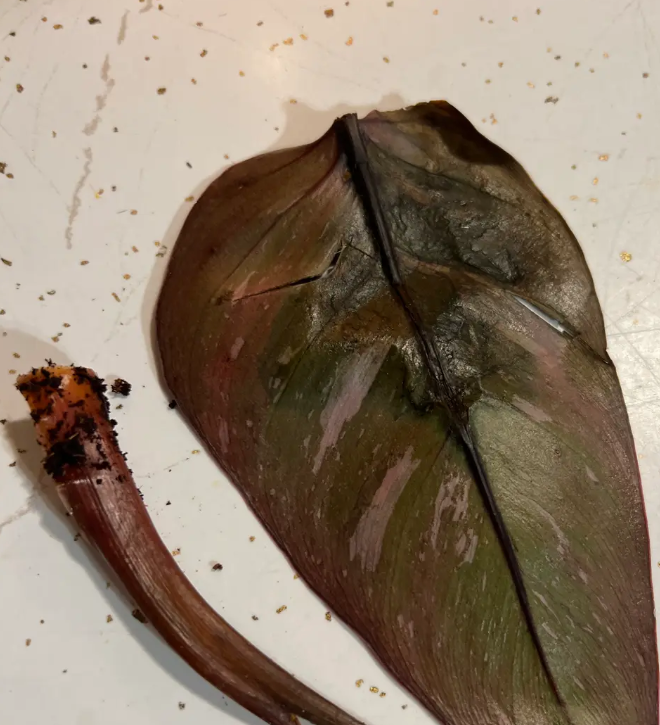
A: It’s best to prune away severely soft or damaged leaves with sterilized scissors. Removing them encourages the plant to direct energy toward healthy growth and reduces the risk of pests or disease.
Q: What are the best practices to prevent leaf softness in the future?
A: Maintain a consistent watering routine, use well-draining soil and pots, provide bright but indirect light, and ensure proper humidity and airflow. Regularly inspect your plant to catch early signs of stress or pests.
By following these guidelines, you’ll be well-equipped to keep your Philodendron lush, vibrant, and healthy for years to come!