Discover why your Alocasia develops black spots, learn diagnosis steps, and find effective treatments and prevention tips for healthy, vibrant foliage.
Introduction
Noticing black spots on your beloved Alocasia can be worrying, especially when you want your plant to stay healthy and vibrant. These dark patches can appear suddenly and threaten the beauty and vitality of your indoor jungle. But don’t fret—this is a common issue that many plant parents face, and with the right knowledge and care, your Alocasia can recover and thrive again. In this article, we'll explore why is my Alocasia having black spots?, walk you through how to diagnose the root cause, and provide practical solutions to treat and prevent this problem. Whether you're a beginner or an experienced plant enthusiast, understanding the underlying issues will help you give your Alocasia the best care possible.
Section 1: Understanding the Problem
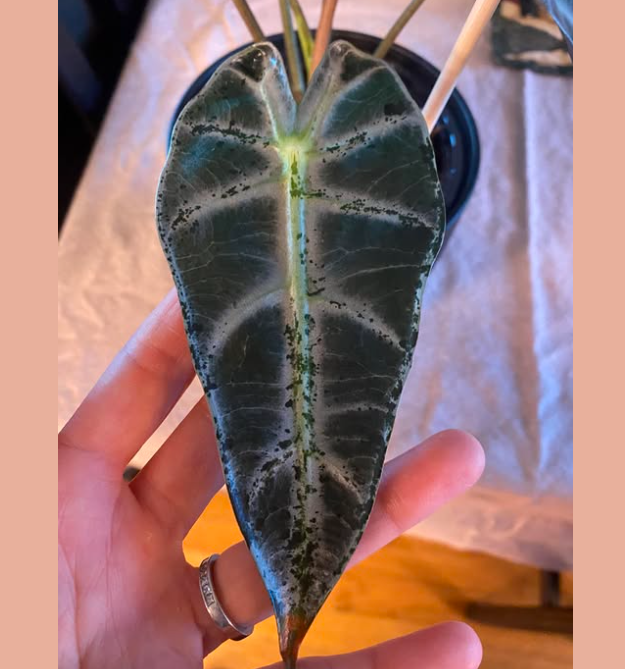
Visual Identification of Black Spots and Their Appearance
Black spots on Alocasia leaves typically appear as irregular or circular dark patches. They can vary in size—from tiny specks to larger, more noticeable blotches. These spots may look sunken or raised, and in some cases, they might be accompanied by yellowing, wilting, or leaf decay.
Common Causes Overview
Several factors can cause black spots on Alocasia leaves, including:
- Fungal infections such as leaf spot fungi
- Overwatering and root rot
- Pests and physical damage
- Environmental stress like low humidity or temperature fluctuations Understanding these causes helps you decide on the appropriate treatment and preventive measures.
Section 2: Diagnosing the Exact Cause
Follow a Step-by-Step Diagnostic Process
Accurate diagnosis is key to effective treatment. Here are steps to identify what’s causing the black spots:
Cause 1: Fungal Infections (e.g., Leaf Spot Fungi)
- Symptoms: Black or dark brown spots with yellow halos, often spreading across the leaf surface.
- Signs: Fungal spores may be visible as tiny black dots or fuzzy gray patches on the leaf surface.
- Diagnosis tip: The spots often appear on older leaves first and may enlarge over time.
Cause 2: Overwatering and Root Rot
- Symptoms: Black spots may be accompanied by soft, mushy leaves or stems.
- Signs: Roots are brown, black, and foul-smelling when you inspect the root zone.
- Diagnosis tip: Check for soggy soil and examine roots for rot.
Cause 3: Environmental Stress or Physical Damage
- Symptoms: Black spots may result from bruising, sunburn, or sudden temperature changes.
- Signs: Damage is often localized and may look like scars or burns rather than fungal spots.
- Diagnosis tip: Reflect on recent handling, repotting, or exposure to direct sunlight.
How to Tell Which Cause Applies to Your Plant
- Inspect the leaves carefully: Are the spots fuzzy or powdery? Are the roots healthy? Is the soil overly wet?
- Observe the plant’s overall health: Wilting, root decay, or leaf discoloration can point toward specific issues.
- Consider recent care routine: Overwatering, sudden temperature drops, or physical injuries.
Section 3: Treatment Solutions
Immediate Actions: Isolate the Plant and Remove Affected Leaves
- Isolate your Alocasia from other plants to prevent spread.
- Prune all affected leaves using sterilized scissors or pruning shears.
- Dispose of the removed foliage away from your home or compost.
Chemical Remedies: Fungicides or Natural Remedies
- For fungal infections, apply a broad-spectrum fungicide following the manufacturer's instructions.
- Natural alternative: Use neem oil or a diluted hydrogen peroxide solution as a natural antifungal treatment.
Cultural Practices: Proper Watering, Improved Airflow, and Sanitation
- Ensure you’re watering appropriately; Alocasia prefers moist but not soggy soil.
- Improve airflow around the plant to reduce humidity and fungal growth.
- Regularly clean your tools and workspace to prevent disease spread.
Long-term Care: Proper Fertilization and Repotting
- Use a balanced, water-soluble fertilizer during the growing season.
- Repot your Alocasia if root rot or soil degradation is evident.
- Use well-draining soil to prevent waterlogging.
What to Expect During Recovery
- New, healthy leaves should develop over time.
- Continue monitoring for new spots or signs of recurrence.
- Be patient—full recovery may take several weeks with consistent care.
Section 4: Prevention Tips
Maintain Appropriate Watering and Humidity Levels
- Water when the top inch of soil feels dry.
- Keep humidity levels high (around 60-70%) with a humidifier or pebble tray.
Ensure Good Airflow and Avoid Overcrowding
- Space your plants adequately.
- Use fans or open windows to promote circulation.
Use Sterilized Tools for Pruning
- Always sterilize pruning shears with alcohol before cutting.
- Avoid damaging leaves or stems unnecessarily.
Regularly Inspect Your Plant for Early Signs of Problems
- Check leaves and soil weekly.
- Remove any debris or fallen leaves promptly.
Use Preventive Fungicides if Necessary
- Apply organic fungicides as a preventive measure during high-humidity months or if your plant has had previous infections.
Conclusion
Recap of Diagnosing Causes, Treatment Options, and Prevention Strategies
Black spots on your Alocasia can stem from fungal infections, overwatering, physical damage, or environmental stress. Proper diagnosis involves inspecting the affected leaves, roots, and overall plant health. Once you identify the cause, targeted treatments like fungicides, pruning, and improved care routines can effectively restore your plant’s health.
Encouragement
Remember, with attentive care and prompt action, your Alocasia can recover from black spots and maintain its stunning foliage. Don’t be discouraged—every plant issue is an opportunity to learn and become a better plant parent.
Next Steps
Start by carefully inspecting your plant, removing affected leaves, adjusting your watering schedule, and ensuring optimal environmental conditions. Consistency is key to keeping your Alocasia healthy and vibrant.
FAQs
Q: How long until I see improvement after treatment?
A: It typically takes a few weeks to notice new healthy growth and the fading of black spots. Consistent care and monitoring are essential for recovery.
Q: Can my Alocasia fully recover from black spots?
A: Yes, if the cause is correctly diagnosed and treated promptly, Alocasia can recover fully. However, severe or prolonged infections may leave scars or cause some leaf loss.
Q: Should I prune all blackened leaves or only affected parts?
A: Remove only the affected parts or entire leaves if they are extensively damaged. Pruning helps prevent the spread of fungal spores and encourages healthy new growth.
Taking care of your Alocasia requires patience and attention, but with these insights, you’re well-equipped to combat black spots and enjoy lush, vibrant foliage. Happy gardening!