Struggling with drooping leaves on your Alocasia? Discover causes, troubleshooting steps, and proven solutions to revive your plant with confidence.
Introduction
Noticing your Alocasia's leaves drooping can be worrying, especially when you've spent time nurturing this stunning tropical plant. Is it overwatered? Underwatered? Or perhaps environmental factors are at play? Don’t panic—you're not alone, and in most cases, this common issue is fixable. This article will help you identify the causes of drooping leaves, troubleshoot effectively, and revive your plant’s health. With some simple adjustments and attentive care, your Alocasia can bounce back to its vibrant, lush self. Let's explore how to bring your plant back to life!
Section 1: Understanding the Problem
Visual identification of drooping leaves
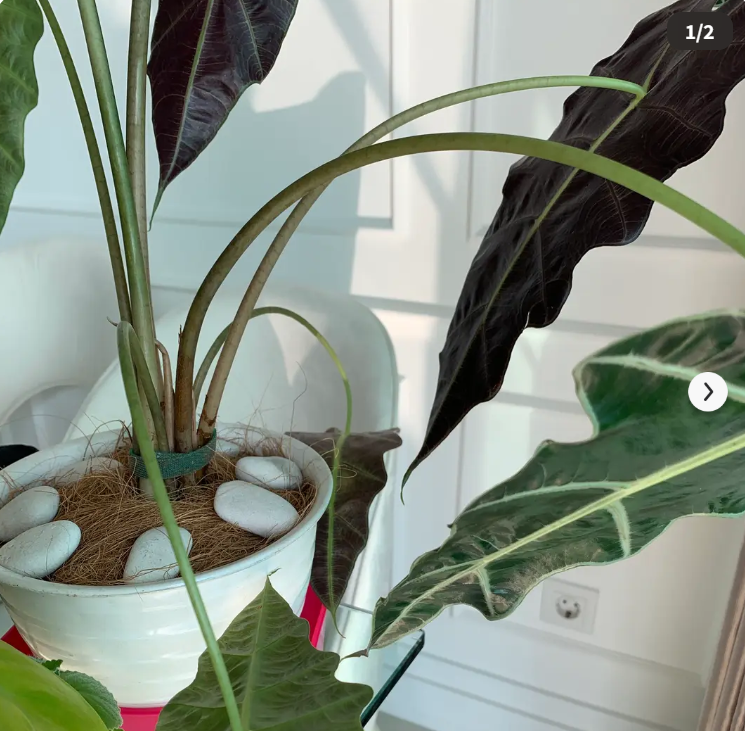
Drooping leaves in Alocasia typically look like soft, limp foliage that may sag visibly downward. This can be accompanied by discoloration, yellowing, or crisp edges. The leaves may feel soft and may curve or wilt, signaling that your plant is under stress. It’s crucial to differentiate drooping due to water imbalance from other issues, as the solution differs accordingly.
Common causes overview
The main reasons your Alocasia might be experiencing drooping leaves include:
- Water issues: Overwatering leading to root rot or underwatering causing dehydration.
- Environmental stress: Insufficient or excessive light, wrong temperature or humidity levels.
- Pest infestation: Aphids, spider mites, or other pests can weaken the plant.
- Root problems: Root rot or compacted soil impeding water and nutrient uptake. Understanding these causes will set the stage for effective troubleshooting.
Section 2: Diagnosing the Exact Cause
Follow a step-by-step process to pinpoint why your Alocasia's leaves are drooping.
Cause 1: Overwatering Leading to Root Rot
- Symptoms: Soft, yellowing leaves, and a foul smell from the soil.
- Diagnosis: Gently untangle the plant from its pot and inspect the roots. Healthy roots are white and firm; rotted roots are brown, mushy, and foul-smelling.
Cause 2: Underwatering and Dehydration
- Symptoms: Wrinkled, dry, or crispy leaves, especially in hot or dry environments.
- Diagnosis: Check the moisture level of the soil. If it’s bone dry several inches down, or the leaves feel papery, watering is likely insufficient.
Cause 3: Improper Lighting or Temperature Stress
- Symptoms: Leaf drooping combined with browning leaf edges, or leaves curling to reduce surface area.
- Diagnosis: Evaluate the current light and temperature conditions. Alocasias thrive in bright, indirect light at temperatures between 65°F-80°F (18°C-27°C).
How to tell which cause applies to your plant
- Inspect roots or soil moisture: Roots in poor condition point to overwatering, while dry soil suggests underwatering.
- Observe environmental conditions: If the plant is in direct sunlight or near a draft, environmental stress may be at fault.
- Combine clues: Use a process of elimination—feeling the soil, inspecting the roots, and assessing the environment.
Section 3: Treatment Solutions
Apply targeted remedies based on the diagnosed cause to revive your plant.
Immediate actions: Adjust watering, improve lighting, inspect roots
- Overwatering: Carefully remove the plant, trim off any rotted roots with sterilized scissors, and repot into fresh, well-draining soil.
- Underwatering: Water thoroughly until excess drains out, ensuring the soil remains evenly moist but not waterlogged.
- Lighting issues: Move your Alocasia to a brighter, indirect light location away from direct sun or drafts.
- Temperature: Ensure the plant is kept in a stable environment around 65°F-80°F with humidity levels around 60-80%.
Long-term treatment plan
- Repot if necessary: Use a lightweight, well-aerated potting mix suitable for tropical plants.
- Set a care routine: Maintain consistent watering, monitor humidity, and provide adequate light to prevent future issues.
- Signs of recovery: Expect new leaf growth, firm and upright leaves, and overall plant vitality within a few weeks.
Section 4: Prevention Tips
Maintaining ideal care routines helps prevent future drooping leaves.
Monitor watering and humidity levels
- Check soil moisture regularly; water only when the top inch feels dry.
- Increase humidity with a humidifier or pebble tray if air is too dry.
Maintain optimal lighting and temperature conditions
- Place your Alocasia in bright, indirect light, avoiding direct sun which can scorch leaves.
- Keep temperatures steady, avoiding cold drafts or sudden temperature drops.
Regularly inspect for pests and fungal issues
- Look for tiny pests or webbing on leaves and stems.
- Treat infestations promptly with insecticidal soap or neem oil.
- Remove any dead or damaged leaves to prevent fungal infections.
Conclusion
Drooping leaves are a warning sign from your Alocasia that it needs attention. Whether caused by watering mistakes, environmental stress, or pests, each issue has practical solutions. The key is to observe your plant carefully, diagnose accurately, and make targeted care adjustments.
Stay patient and proactive — your plant’s health can improve with a little effort. Implement the recommended diagnostic steps and care routines, and watch as your Alocasia begins to perk up and thrive once again!
FAQ
Q: How long until I see improvement after fixing watering issues?
A: Typically, you should notice signs of recovery within 1 to 2 weeks. New growth may appear, and existing leaves will start firming up. If no improvement is observed after this period, reassess your care practices.
Q: Can my Alocasia fully recover from root rot?
A: Yes, if caught early, removing infected roots and repotting in well-draining soil can enable your Alocasia to recover fully. However, severe root damage may limit its ability to bounce back completely, so early diagnosis is crucial.
Q: Should I prune the drooping leaves or leave them until new growth appears?
A: It’s best to prune damaged or dead leaves using sterilized scissors. Removing these can help the plant focus energy on new, healthy growth and improve airflow around the foliage, reducing the risk of fungal issues.
By understanding the root causes and applying targeted care, you can bring your drooping Alocasia back to life. Remember, patience, consistency, and attentiveness are your best allies in nurturing healthy, vibrant indoor plants!