Quick Summary: If your Monstera deliciosa is dropping leaves, don’t worry—this common issue is often fixable with simple adjustments. Understanding the causes and acting quickly can help restore your plant’s health and beauty.
Introduction
Noticing your Monstera deliciosa shedding leaves can be stressful—it’s natural to worry about your beloved plant. Leaf drop signals that something in its environment or care routine might need attention. But here's a reassuring truth: with a bit of patience and the right steps, your Monstera can bounce back and thrive again. In this article, we'll explore the common reasons your Monstera might be dropping leaves, how to accurately diagnose the root cause, and practical, proven solutions to help your plant recover. Whether it's overwatering, environmental stress, or watering mishaps, you'll find clear, friendly advice tailored to fix the issue. Let’s get your plant back on its lush, vibrant path!
Understanding the Problem
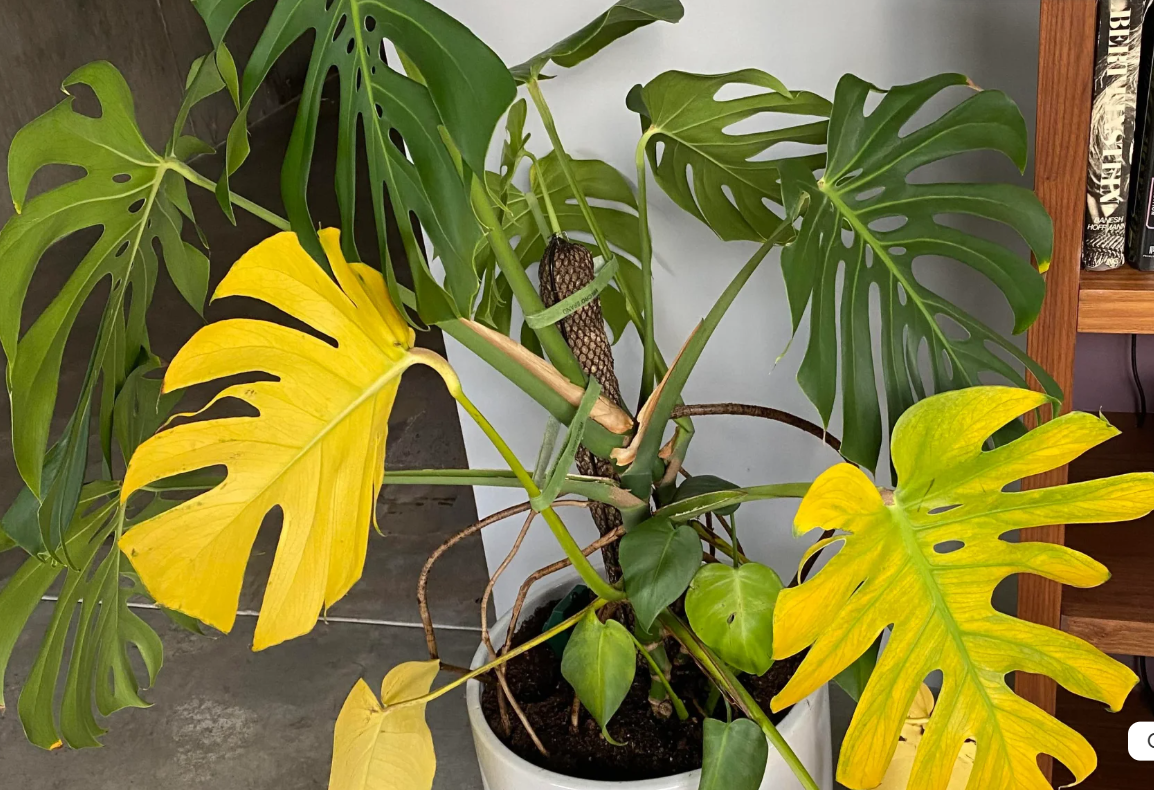
Visual identification: Recognize and differentiate leaf drop from other issues like yellowing or browning.
In healthy Monstera plants, leaf drop is often a normal part of growth, but excessive or sudden leaf loss is a sign of stress. Drooping, falling leaves may be large and healthy before they drop or may look damaged, brown, or wilted. Differentiating between natural shedding (older leaves dropping in a healthy plant) and problematic leaf drop is key.
Common causes overview: Summarize typical reasons including watering issues, temperature stress, and light changes.
Monstera leaf drop usually results from environmental imbalance—overwatering, underwatering, temperature fluctuations, or light disturbances. Recognizing these signs early helps prevent long-term health problems.
Diagnosing the Exact Cause
Follow these steps to pinpoint why your Monstera’s leaves are dropping:
Cause 1: Overwatering leading to root stress
Symptoms: Mushy or dark roots, soil stays wet for long periods, and leaves may yellow or wilt before dropping. How to confirm: Gently remove the plant from its pot and examine the roots. Healthy roots are white and firm; affected roots are brown or black and slimy. Why it happens: Monstera likes moist but well-draining soil. Too much water causes root rot, weakening the plant and prompting leaf loss.
Cause 2: Underwatering or inconsistent watering
Symptoms: Soil feels very dry, leaves become crispy, and new leaves may wilt or brown at the edges before falling. How to confirm: Check the soil moisture by touching the top inch. If it’s dry consistently, underwatering might be the culprit. Why it happens: Dry soil deprives roots of oxygen, stressing the plant and triggering leaf drop.
Cause 3: Environmental stress from sudden temperature drops or drafts
Symptoms: Leaves drop suddenly, often with no prior yellowing or browning, especially after drafts or cold nights. How to confirm: Notice if the plant was exposed to cold windows, air conditioning, or drafts. Why it happens: Rapid temperature changes cause stress, prompting the plant to shed less resilient leaves.
How to tell which cause it is
Monitor these factors:
- Soil moisture: Wet or soggy? Overwatering likely.
- Root health: Roots look healthy and white? Watering may be inconsistent or underwatered.
-
Environment: Changes in temperature or drafts? Environmental stress. Create a checklist:
-
[ ] Soil moist? Yes/No
- [ ] Roots healthy? Yes/No
- [ ] Exposure to drafts or cold? Yes/No
- [ ] Recent watering habits or environmental change? Describe
Treatment Solutions
Immediate actions to take (first 24-48 hours):
- Assess watering: Ensure you're not overwatering; allow the soil to dry slightly between watering.
- Improve drainage: Check your pot’s drainage holes; remove excess water and consider repotting if soil is waterlogged.
- Move away from drafts: Relocate your plant to a stable, warm spot with consistent light.
- Remove damaged leaves: Prune any brown, crispy, or damaged leaves to encourage healthy new growth.
Specific remedies:
Overwatering (Root rot fix)
- Gently remove your plant from its pot.
- Rinse roots and cut away affected, mushy parts with sterilized scissors.
- Allow roots to dry for a few hours.
- Repot into fresh, well-draining soil—preferably a mix with perlite or orchid bark.
- Water sparingly—allow the top inch of soil to dry out between watering.
Underwatering or inconsistent watering
- Water your Monstera thoroughly until excess drains out.
- Establish a regular watering schedule—typically once a week, adjusting for your environment.
- Use a moisture meter or finger test to check soil moisture regularly.
Environmental stress
- Protect from drafts and cold windows.
- Maintain a stable temperature (ideally 65–85°F or 18–29°C).
- Increase humidity with a humidifier or pebble tray if air is dry.
Natural remedies and products
- Use neem oil to prevent pest issues that could stress your plant.
- Consider a hydrogen peroxide solution (1 part H2O2 to 4 parts water) on roots if root rot was a concern—this combats bacteria and fungi.
Long-term treatment plan:
- Maintain consistent watering—water only when the top inch of soil feels dry.
- Establish a routine of fertilizing during growing season with a balanced houseplant fertilizer.
- Keep your Monstera in bright, indirect light.
- Regularly inspect for pests or disease signs.
Timeline for recovery:
Expect new leaves to appear in 4–8 weeks if you maintain proper care. Leaf drop may continue temporarily, but with consistent adjustments, your plant will regain strength and beauty.
Warnings if treatment isn’t working:
- No new growth after 2 months.
- Roots remain mushy or smelly.
- Persistent discolored or leafless stem. If these signs appear, consider consulting an indoor plant specialist.
Prevention Tips
- Water properly: Water only when the top inch of soil is dry. Use a moisture meter or finger test.
- Maintain consistent environment: Keep your Monstera away from drafts, cold windows, or sudden temperature changes.
- Provide ideal lighting: Place in bright, indirect light—avoid direct sun that can scorch leaves.
- Adjust humidity: Keep relative humidity around 60%. Use a humidifier or regular misting if air gets dry.
- Use proper soil and pot: Ensure your pot has drainage holes and use a light, airy soil mix to prevent waterlogging.
Why these work:
Monsteras are tropical plants that thrive in stable environments. Proper watering ensures roots stay healthy, while consistent environment minimizes stress-induced leaf drop.
Frequently Asked Questions
Q: How long until I see improvement after fixing watering issues?
A: You may notice signs of new growth within 4 to 8 weeks once proper watering and environmental conditions are restored.
Q: Can my Monstera recover fully after leaf drop?
A: Yes, with proper care, your Monstera can regrow healthy, vibrant foliage. Leaf drop often signals stress, but it’s usually reversible.
Q: Should I prune fallen or damaged leaves to help my plant recover?
A: Absolutely. Removing dead or damaged leaves reduces stress on the plant and encourages new, healthy growth.
Conclusion
Key Takeaways:
- Leaf drop in Monstera deliciosa often results from watering issues or environmental stress.
- Proper diagnosis—checking soil moisture, roots, and surroundings—is crucial.
- Immediate steps include adjusting watering, improving drainage, and protecting from drafts.
- Consistent care and environmental stability help your plant recover and flourish.
- Remember, your plant’s health is within your control—small adjustments can make a big difference! Don’t be discouraged if your Monstera drops leaves. With patience and attentive care, it can bounce back stronger than ever. Keep observing, stay consistent, and enjoy your lush, thriving plant journey.