Struggling with drooping leaves on your Spider Plant? You're not alone—many indoor plant enthusiasts face this common issue. Whether you're a beginner or have some experience with houseplants, drooping leaves can be unsettling, making you wonder if your plant is unwell or needs special treatment. Rest assured, with a little insight and some simple adjustments, you can help your Spider Plant bounce back healthy and vibrant.
In this article, we'll explore why drooping occurs, how to precisely diagnose the root cause, and practical solutions to revive your cherished plant. With patience and proper care, your Spider Plant can thrive again!
Understanding the Problem
Drooping leaves are a typical symptom of underlying issues that can affect your Spider Plant's overall health. Recognizing these signs early can prevent more serious problems down the line.
Visual identification of drooping leaves
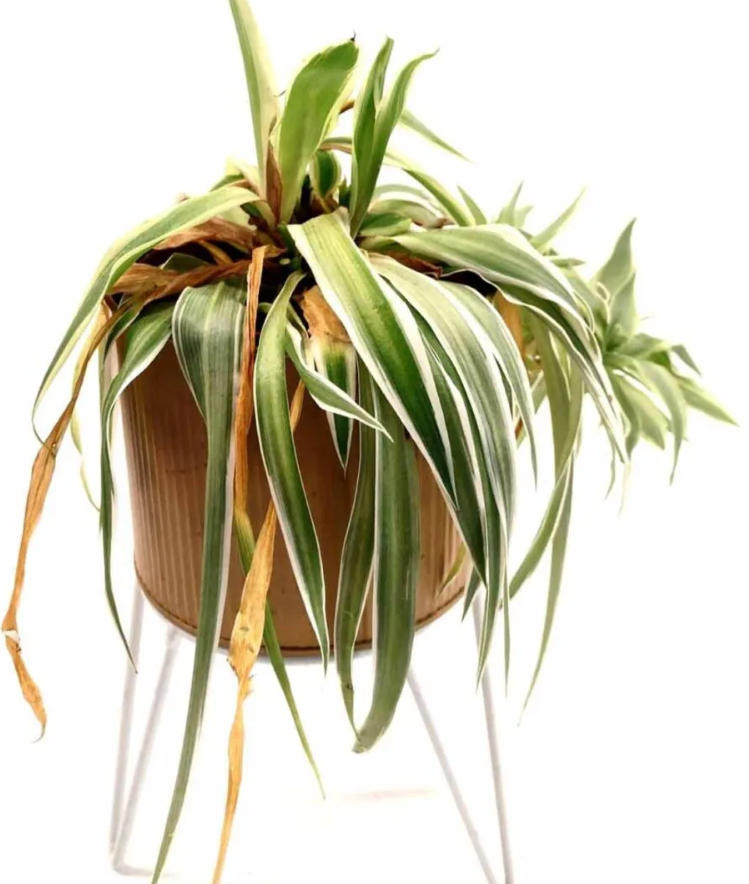
When your Spider Plant's leaves start to hang limply or bend downward, it’s a sign that something isn’t quite right. Usually, healthy leaves stand upright or gently arch, giving the plant a lush, resilient look. If the leaves are wilting, yellowing, or showing brown tips along with drooping, it indicates stress or damage.
Common causes overview
Several factors can cause drooping, including:
- Overwatering: Excess water can lead to root rot, impairing nutrient uptake.
- Underwatering: Lack of water causes dehydration, making leaves limp.
- Low humidity or drafts: Dry air and sudden air currents can stress the plant.
- Stress from sudden environmental changes: Moving the plant or shifting its light conditions can cause temporary drooping.
- Pest infestation or diseases: Pests like spider mites or fungal issues may weaken the plant. Understanding these typical causes lays the foundation for accurate diagnosis and effective treatment.
Diagnosing the Exact Cause
Identifying why your Spider Plant's leaves are drooping is essential to treat the issue correctly.
Follow these steps to pinpoint the cause:
Cause 1: Overwatering leading to root rot
- Check the soil moisture: Feel the top inch of soil; if it’s soggy or waterlogged, overwatering is likely.
- Inspect roots: Gently remove the plant from its pot and examine the roots—healthy roots are white and firm, while rotted roots are brown, mushy, and foul-smelling.
Cause 2: Underwatering causing dehydration
- Observe the soil and leaves: Dry, crusty soil and wilted, crispy leaves suggest underwatering.
- Proceed cautiously: If the soil is dry and leaves are limp, your plant needs moisture.
Cause 3: Low humidity or drafts stressing the plant
- Assess environmental conditions: Is your plant near a heater, a cold window, or in a dry room? Does it experience direct drafts?
- Check for signs of stress: Yellowing or browning leaf tips alongside drooping can reflect low humidity.
How to tell which applies?
- If soil is overly wet and roots are rotting, overwatering is the culprit.
- If soil is dry and leaves are crisp, underwatering is likely.
- If soil moisture is adequate but leaves droop and show tip browning, environmental stress could be the cause.
Treatment Solutions
Once you've diagnosed the issue, actionable steps can restore your Spider Plant's health.
Immediate actions
- Adjust watering habits: Let the soil dry out slightly before watering again if overwatered. Water only when the top inch feels dry.
- Improve humidity: Place a humidifier nearby or set your plant on a tray with pebbles and water to increase moisture in the air.
- Protect from drafts: Move the plant away from cold windows or heating vents.
Long-term treatment plan
- Repot if needed: Remove rotted roots carefully, prune damaged leaves, and repot in well-draining soil.
- Establish a consistent watering schedule: Generally, watering once every 1-2 weeks suffices, but adjust based on season and environment.
- Ensure adequate light and airflow: Bright, indirect sunlight and good air circulation promote healthy growth.
- Fertilize appropriately: Feed with a balanced houseplant fertilizer every 4-6 weeks during the growing season.
Monitoring recovery
- Keep an eye on leaf turgidity and color.
- Gradually, new leaves should emerge and the existing ones will regain firmness.
- Patience is key—most drooping issues improve within a few weeks of proper care.
Prevention Tips
Prevention is always better than cure. Maintain your Spider Plant’s health with these simple practices:
Establish a consistent watering routine
- Check soil moisture regularly.
- Water thoroughly, allowing excess to drain out.
- Reduce watering frequency in winter when growth slows down.
Maintain optimal humidity levels
- Keep indoor humidity between 40-60%.
- Use humidifiers or watering trays if necessary.
Ensure adequate lighting and airflow
- Place your Spider Plant in bright, indirect light.
- Avoid areas with cold drafts or direct air from heaters.
Regular inspection for pests or diseases
- Check leaves and soil regularly.
- Remove any pests promptly with mild soap solution or insecticidal soap.
Conclusion
Drooping leaves on your Spider Plant can be distressing, but with proper diagnosis and care adjustments, your plant can recover beautifully. Remember, it’s often a sign that your plant needs a little extra attention and TLC. Through mindful watering, maintaining optimal environmental conditions, and consistent monitoring, you can help your Spider Plant regain its lush, vibrant appearance. Start today by assessing your plant’s watering habits and environment, then implement the solutions outlined above. With patience and dedication, your beloved Spider Plant will not only bounce back but thrive, bringing freshness and joy to your home.
FAQ
Q: Why does my Spider Plant's leaves keep drooping even after watering?
A: Persistent drooping despite watering may indicate overwatering leading to root rot or other issues such as low humidity or environmental stress. Check the soil moisture and roots to diagnose accurately. Adjust watering habits and environmental conditions accordingly.
Q: How long until I see improvement after changing care habits?
A: Typically, you can expect to see signs of recovery within 2 to 4 weeks, such as firm leaves and new growth. Patience, along with consistent proper care, is essential.
Q: Should I prune the wilted or damaged leaves?
A: Yes, trimming away heavily damaged or yellowing leaves helps improve the plant's appearance and directs energy toward healthy growth. Use clean scissors or pruning shears to make neat cuts just above the leaf base.
Remember, your attention and care can turn a drooping Spider Plant into a thriving centerpiece of your indoor garden. Keep caring, stay observant, and enjoy the rewarding process of nurturing your green companion!