Quick Summary: White fuzz on your Snake Plant can be a sign of fungal infection or pests like mealybugs and gnats. Fortunately, with proper diagnosis and gentle treatment, you can restore your plant’s health and keep it looking vibrant and lush.
Introduction
Finding white fuzz on your Snake Plant (Sansevieria) can be worrying, especially when you've nurtured it carefully. It might look unappealing and raise concerns about your plant’s health — but don’t fret. This common issue is usually manageable with some understanding and straightforward interventions. Many plant parents find themselves in this spot, feeling anxious about the care routine or if their beloved plant is dying. The good news is that most cases of white fuzz are caused by identifiable factors such as fungal growth or pests like mealybugs, both of which are treatable. In this article, we'll explore what causes this fuzzy white coating, how to accurately diagnose the problem, and step-by-step solutions to fix it. Plus, I’ll share tips on preventing it from returning, so your Snake Plant can thrive long-term. With patience and a gentle touch, your plant will bounce back to health — you're not alone, and you’ve got this!
Section 1: Understanding the Problem
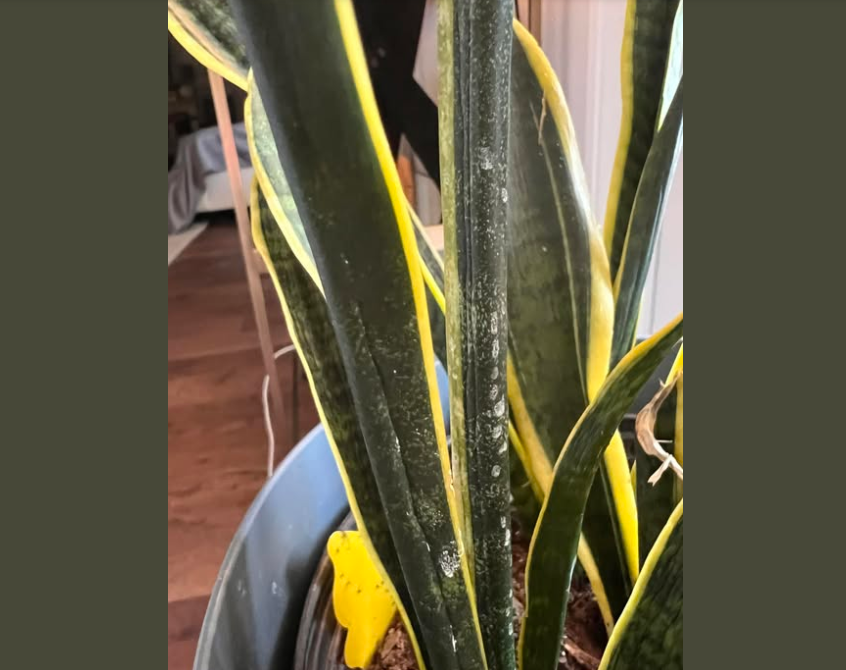
White fuzz on your Snake Plant is often a sign that something isn't quite right. Recognizing exactly what you're seeing is key to effective treatment.
Visual identification
- Cotton-like, fuzzy coating on the leaves or at the soil surface.
- It might look like tiny, whitish tufts or patches that feel soft or slightly sticky to the touch.
- Sometimes, the fuzz appears more crusty or powdery, depending on the cause.
Common causes overview
- Fungal infections: such as powdery mildew or mold, which thrive in humid conditions.
- Pest issues: like mealybugs (small, cottony pests), fungal gnats (tiny flies, with fuzzy larvae), or scale insects.
- Natural plant residue or mold: from overwatering, leading to mold or mildew growth on soil or leaves.
Understanding these causes helps you decide whether it’s mainly a fungal problem, pests, or environmental damage—each requiring different approaches.
Section 2: Diagnosing the Exact Cause
To treat effectively, identify what’s causing that white fuzz. Follow these steps:
Cause 1: Fungal Infection (e.g., Powdery Mildew)
- Symptoms: White, powdery coating on leaves, which can spread if left untreated.
- How to confirm: Look closely; fungal growth is often powdery, slightly rough-textured, and tends to be on the upper leaf surfaces.
- Why it happens: Excess humidity, poor air circulation, or overwatering.
Cause 2: Pest Infestation (e.g., Mealybugs, Fungal Gnats)
- Symptoms: Fluffy, cotton-like pests on leaves or soil; sticky residue (honeydew) and sometimes tiny black sooty mold.
- How to confirm: Gently lift a section of fuzz with your fingers or a soft cloth. Use a magnifying glass to spot tiny bugs or eggs.
- Why it happens: Overwatering creates damp conditions preferred by pests, and Snake Plants are resilient hosts.
Cause 3: Natural Residue or Mold from Overwatering
- Symptoms: Fuzzy moldy patches that often smell musty and appear on topsoil or near roots.
- How to confirm: Check moisture level; soil feels extremely wet, and the fuzz may be fluffy mold rather than pest or fungal growth.
- Why it happens: Excess moisture and poor drainage cause mold or mildew to grow.
How to Tell Which Cause:
- Cottony, persistent fuzz + pests or visible insects? Likely mealybugs or similar pests.
- Powdery, dry-looking coating on leaves? Probably powdery mildew.
- Moldy, damp spots on soil surface? Likely mold from overwatering.
Section 3: Treatment Solutions
Once you've identified the cause, follow these tailored steps to get your Snake Plant healthy again:
Immediate Actions (First 24-48 Hours):
- Isolate your plant: Keep it away from other houseplants to prevent spread.
- Gently remove fuzz: Use a soft brush, cloth, or cotton swab dipped in alcohol or soapy water to wipe off the fuzz without damaging leaves.
- Inspect thoroughly: Check for pests, eggs, or mold spots.
Addressing Fungal Infection (e.g., Powdery Mildew):
- Natural remedy:
- Mix neem oil with water (according to label instructions) and spray onto affected areas twice a week.
- Alternatively, apply a diluted hydrogen peroxide solution (1 part hydrogen peroxide to 3 parts water) and wipe surfaces gently.
- Chemical options:
- Use a fungicide labeled safe for Snake Plants. Follow label directions carefully.
- Long-term plan:
- Improve air circulation by spacing plants properly.
- Avoid crowding and overwatering.
- Remove infected leaves and sanitize tools afterward.
Treating Pests (e.g., Mealybugs, Fungal Gnats):
- Natural remedies:
- Dab affected areas with alcohol wipes or swab pests with a cotton swab dipped in isopropyl alcohol.
- Spray plant with insecticidal soap or neem oil weekly.
- For soil pests like gnats, allow soil to dry out completely between waterings.
- Chemical options:
- Use an insecticidal soap or pesticide labeled for indoor plants, focusing on affected areas.
- Long-term control:
- Regularly inspect your Snake Plant for early pest signs.
- Use sticky traps in the soil to catch adult gnats.
Mold or Overwatering-Related Fuzz:
- Immediate steps:
- Remove and discard moldy topsoil.
- Repot Snake Plant in fresh, well-draining soil.
- Ensure proper pot drainage.
- Adjust watering habits:
- Water only when the top inch of soil feels dry.
- Reduce watering frequency to once every 2-3 weeks in winter.
- Improve environment:
- Increase air circulation.
- Place your Snake Plant in a bright, well-ventilated spot.
Timeline for Recovery:
- Fungal growth should diminish within 1-2 weeks with consistent treatment.
- Pests generally disappear within a few inspections and treatments.
- Mold and fuzz from overwatering reduce quickly once moisture is controlled. Remember: Patience is key. Some issues may take time, but persistence will pay off.
Section 4: Prevention Tips
Keeping your Snake Plant fuzz-free long-term hinges on proactive care:
- Water correctly:
- Allow soil to dry completely between watering.
- Water every 2-3 weeks depending on humidity and season.
- Ensure proper airflow:
- Place your plant in a bright spot with good ventilation — this discourages fungal buildup.
- Control humidity:
- Keep humidity levels moderate; avoid overly humid environments, especially in winter.
- Maintain cleanliness:
- Regularly wipe leaves and remove fallen debris.
- Quarantine new plants before introducing them to your collection.
- Monitor regularly:
- Inspect leaves and soil weekly for early signs of fuzz, pests, or mold.
By establishing a consistent, attentive routine, you'll significantly reduce the chance of future fuzz outbreaks.
Frequently Asked Questions
Q: How long will it take to see improvement after treatment?
A: Typically, fungal or pest issues begin to clear within 1-2 weeks of consistent treatment. Complete recovery may take longer depending on severity.
Q: Can I prevent white fuzz from returning?
A: Yes! Maintain proper watering, improve airflow, and inspect your Snake Plant regularly. Quarantining new plants reduces pest risks.
Q: Should I prune parts of my Snake Plant affected by fuzz?
A: If any leaves are heavily infested or moldy, prune and dispose of those parts to prevent spreading and encourage healthy new growth.
Conclusion
White fuzz on your Snake Plant can seem alarming but is often manageable with a calm, systematic approach. By identifying whether it’s fungal, pest-related, or mold caused by overwatering, you can apply targeted treatments that restore your plant’s health. Key Takeaways:
- Carefully diagnose the cause—pests, fungi, or mold.
- Use gentle, natural remedies first, escalating to chemical controls if necessary.
- Adjust watering, ensure good airflow, and regularly inspect your plant.
- With patience and consistent care, your Snake Plant will regain its vibrant, fuzzy-free beauty. Remember, every plant issue is a learning opportunity. Stay attentive, be gentle, and soon your Snake Plant will stand tall and healthy again!