Are your Aloe Vera's leaves turning soft and droopy? This common issue can be worrisome for plant enthusiasts, especially when you're eager to keep your indoor garden healthy. But don’t panic—soft or limp Aloe Vera leaves are typically signs that something’s off with your plant’s care routine or environment, and the good news is, most issues are fixable with simple adjustments. In this article, we’ll guide you through understanding why your Aloe Vera leaves are soft, help you diagnose the exact problem, and provide practical solutions to restore your plant's vitality. With patience and proper care, your Aloe Vera can bounce back and thrive again!
Section 1: Understanding the Problem
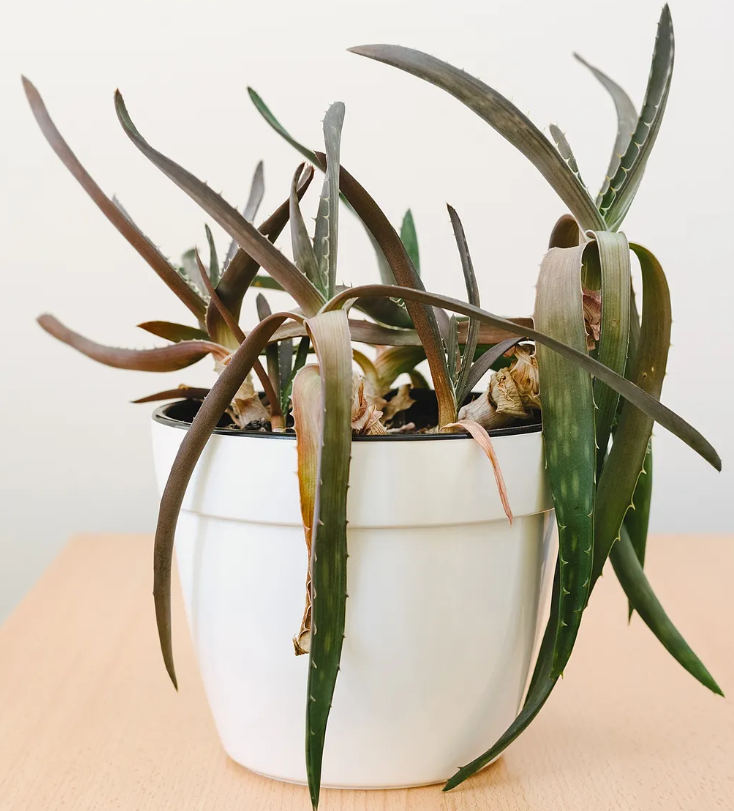
Visual Identification of Soft, Limp Leaves
Before jumping into solutions, take a close look at your Aloe Vera. Healthy leaves are firm, plump, and upright, with a slight glossy sheen. When leaves become soft, they often feel limp or mushy, sometimes drooping or curling downward. They may appear discolored, turning yellow or translucent in some cases. Key signs of soft Aloe Vera leaves include:
- Leaves feeling waterlogged or squishy
- Loss of firmness and rigidity
- Drooping or bending under their own weight
- Discoloration or translucent areas
Common Causes Overview
Several factors can cause Aloe Vera leaves to become soft and droopy. Understanding these will help you diagnose and address the root cause effectively:
- Overwatering – soaking the roots, leading to rot
- Underwatering – dehydration causing leaves to shrivel and turn limp
- Root issues – such as root rot or compacted soil
- Environmental stress – improper lighting, drafts, or temperature swings
- Pest or disease problems – leading to weakened plant structure
Section 2: Diagnosing the Exact Cause
To effectively fix soft Aloe Vera leaves, it's essential to identify what's causing the problem. Follow these steps:
Cause 1: Overwatering — Roots Are Waterlogged or Rotting
Symptoms: Mushy, soft leaves with a foul smell from the soil, black or brown roots when inspected. How to confirm:
- Gently remove the Aloe Vera from its pot
- Inspect the roots: healthy roots are white or light tan and firm
- Rotted roots appear black, brown, mushy, and foul-smelling
Cause 2: Underwatering — Dehydration Leading to Limpness
Symptoms: Leaves feel dry, thin, and soft, possibly curling inward. Soil may be very dry. How to confirm:
- Check the soil moisture: insert your finger about an inch deep into the soil
- If it feels completely dry and crispy, underwatering is likely the cause
Cause 3: Environmental Stress — Improper Lighting, Drafts, or Temperature Fluctuations
Symptoms: Soft leaves that may also show signs of sunburn, discoloration, or stress. How to confirm:
- Observe the plant’s placement:
- Is it near a cold draft or heating vent?
- Is it receiving too little or too much sunlight?
- Make sure your Aloe Vera is in warm, bright, but indirect light.
How to Tell Which Cause Applies To Your Plant
- If roots are rotten, overwatering is the culprit.
- If the soil is bone dry and leaves are shriveled, underwatering is likely.
- If watering seems adequate but the plant still appears stressed, environmental factors are probably involved.
Section 3: Treatment Solutions
Once you've identified the cause, you can apply targeted remedies.
Immediate Actions
- For Overwatered Plants:
- Carefully remove the Aloe from its pot
- Trim away any rotted roots with sterilized scissors
- Repot into a well-draining succulent soil mix
- Allow the soil to dry out completely before watering again
- For Underwatered Plants:
- Water thoroughly, ensuring excess drains out
- Establish a regular watering schedule
- For Environmental Stress:
- Move your Aloe Vera to a brighter, draft-free location
- Adjust temperature to stay within 55-80°F (13-27°C)
- Avoid placing near heating vents or air conditioners
Long-term Treatment
- Proper Watering Schedule:
- Water only when the top inch of soil is dry
- Use the "soak and dry" method: deep soak, then wait until dryness
- Repotting if Necessary:
- Use a cactus or succulent mix for better drainage
- Choose a pot with drainage holes
- Optimizing Light and Temperature:
- Place your Aloe Vera in bright, indirect sunlight
- Maintain stable temperatures and avoid drafts
Recovery Expectations
- You should see signs of improvement within a few weeks with proper care
- Be patient: new, healthy growth will gradually emerge
- Avoid pruning unless damaged leaves are severe; trimming soft leaves can help focus energy on recovery
Section 4: Prevention Tips
Prevention is always better than cure. These tips help keep your Aloe Vera healthy and prevent soft leaves from recurring:
Care Routine Adjustments
- Water your Aloe Vera deeply, then allow it to dry out completely before watering again
- Use a well-draining pot and soil to prevent waterlogging
- Avoid overwatering—less is more with succulents
Environmental Factors to Monitor
- Provide bright, indirect sunlight for at least 6 hours daily
- Keep your plant in a warm, stable environment away from drafts or cold windows
- Maintain moderate humidity levels; Aloe Vera prefers dry conditions
Conclusion
Addressing soft Aloe Vera leaves involves correctly diagnosing whether overwatering, underwatering, or environmental stress is at fault. Once you identify the cause, you can implement the appropriate treatment—be it adjusting watering habits, repotting, or repositioning your plant. Remember: Don't be discouraged if your Aloe Vera shows signs of distress. With attentive care and patience, your plant can recover and flourish once more. Start by inspecting your Aloe Vera now, adjust your watering routines, and watch for positive changes in the coming weeks!
FAQ
Q: How long until I see improvement after fixing watering issues?
A: Typically, you should notice signs of recovery within 2-4 weeks. Initially, new, firm growth will indicate your Aloe Vera is healing. Be consistent with your care routine and avoid overwatering or underwatering during this period.
Q: Can my Aloe Vera fully recover from soft leaves?
A: Yes, in many cases, Aloe Vera can fully recover if the root cause is addressed promptly. Remove damaged leaves if necessary, and focus on providing ideal growing conditions. However, severely damaged or rotted roots may limit the plant’s recovery, so timely intervention is crucial.
Q: Should I prune damaged or soft leaves to help recovery?
A: Yes, pruning soft, mushy leaves can help the plant direct energy toward healthy growth. Use sterilized scissors to carefully trim away any damaged parts, but avoid removing too much foliage at once, especially if the plant appears stressed.
Your Aloe Vera’s health is in your hands. With regular care, proper watering, and a stable environment, you'll keep your indoor garden lush and thriving. Happy gardening!