Noticing white fuzzy patches on your Calathea can be alarming, especially if you cherish this beautiful, vibrant houseplant. As plant enthusiasts, we understand how challenging it can be to see something unusual on your plant's leaves. But don’t worry—white fuzz on your Calathea is a common issue that can often be easily addressed with the right knowledge and care. This article will help you identify what causes the white fuzz, guide you through diagnosing the problem accurately, and offer effective treatments and prevention tips. With a little patience and the right approach, your Calathea can recover and thrive again.
Section 1: Understanding the Problem
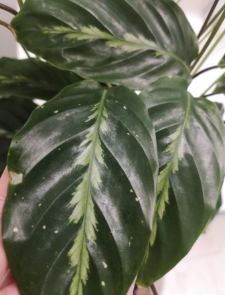
Visual Identification: What Does White Fuzz Look Like?
The first step in addressing your Calathea’s white fuzz is understanding what it looks like. Typically, the white fuzzy patches appear as:
- Soft, cottony, or woolly growths on the surface of leaves, stems, or both.
- Waxy or powdery appearance, sometimes covering entire leaves or just spots.
- Location: Usually on the undersides or margins of leaves, but can also be on stems. This fuzzy layer may feel velvety or hairy when gently touched, and it often indicates an underlying issue affecting your plant’s health.
Common Causes Overview
White fuzz on your Calathea usually points to one of three main causes:
- Pests, such as mealybugs or scale insects, which produce a cottony or waxy excretion.
- Fungal infections, particularly powdery mildew or mold, which create a powdery or fuzzy coating.
- Environmental stress, including high humidity or poor airflow, fostering mold or fungal growth. Understanding these causes helps you choose the most effective treatment method.
Section 2: Diagnosing the Exact Cause
Accurate diagnosis is crucial for effective treatment. Follow these steps to identify what's causing the white fuzz on your Calathea.
Cause 1: Pests — Mealybugs or Scale Insects
- Appearance: Small, white insects that look like cotton balls (mealybugs) or waxy bumps (scale insects).
- Location: Usually found clustered on leaf undersides, stems, or leaf axils.
- How to spot: Gently inspect the fuzzy patches—if you see moving tiny white bugs or sticky residue, pests are likely the culprit.
Cause 2: Fungal Infection — Powdery Mildew or Mold
- Appearance: White, powdery, or fuzzy spots that may spread across leaves or stems.
- Location: Often begins on older leaves or shaded, humid areas.
- How to spot: Unlike pests, fungal growth remains stationary, and you might notice a musty smell or moldy texture when touching the fuzzy patches.
Cause 3: Environmental Factors
- High Humidity and Poor Air Circulation: Environments with excessive moisture may promote mold or mildew growth.
- Signs: Widespread fuzzy patches, especially during humid weather, with no visible pests.
How to Tell Which Cause It Is
- Visual cues and close inspection are essential.
- If you find tiny insects, pests are the cause.
- If patches are fungal-looking, fungal infection is likely.
- If no insects are present and conditions are very humid, environmental factors are probably responsible.
Section 3: Treatment Solutions
Once you've identified the cause, taking targeted action is key to restoring your Calathea's health.
Immediate Actions
- Gently remove pests by wiping leaves with a damp cloth or soft brush.
- Prune affected leaves using sterilized scissors. Dispose of these properly to prevent spreading.
- Isolate the plant to prevent the spread of pests or fungi to other houseplants.
Natural Remedies
- Neem Oil: Dilute according to instructions and spray on affected areas. Neem oil works against pests and some fungal issues.
- Insecticidal Soap: Apply to pests and affected spots to eliminate insects without harming the plant.
- Hydrogen Peroxide Solution: Lightly spray or wipe leaves to kill fungal spores.
Chemical Options
- Fungicides: For persistent fungal infections, use a suitable fungicide following package instructions.
- Pesticides: Use insect-specific treatments if pests are stubborn or widespread.
Adjusting Care Routines
- Reduce humidity by improving airflow with fans or adjusting humidity levels.
- Improve ventilation to discourage mold growth.
- Avoid overwatering; keep the soil moist but not soggy, and ensure good drainages.
Monitoring Progress
- Keep a close eye on your Calathea after treatment.
- Repeat treatments if necessary, following the recommended interval.
- Look for signs of recovery, such as new healthy growth and the disappearance of fuzzy patches.
Section 4: Prevention Tips
Prevention is always better than cure. Here’s how to keep your Calathea healthy and resistant to future white fuzz problems.
Maintain Proper Watering Practices
- Water only when the top inch of soil feels dry.
- Use distilled or rainwater if your tap water is high in salts or chemicals.
Ensure Good Air Circulation and Manage Humidity
- Place your Calathea in a well-ventilated area.
- Use fans or open windows to reduce excess moisture.
Regular Inspection
- Check your plant weekly for early signs of pests or fungal growth.
- Early detection allows for easier and more effective treatment.
Use Sterilized Tools
- Always sterilize pruning shears and tools before working on your plant.
- Prevents spreading diseases or pests.
Provide Optimal Lighting and Avoid Sudden Changes
- Calatheas prefer bright, indirect light.
- Keep environmental conditions stable to reduce stress-induced vulnerabilities.
Conclusion
Recap of Key Points
Understanding why is my Calathea having white fuzz involves careful observation and accurate diagnosis. The fuzz may stem from pests like mealybugs or scale insects, fungal infections such as powdery mildew, or environmental factors like excess humidity. Once you identify the cause, targeted treatments—including natural remedies, chemical pesticides, or environmental adjustments—can effectively eliminate the problem.
Encouragement
Remember, with proactive care and timely action, your Calathea can recover from white fuzz and return to its vibrant glory. Your attention and dedication are vital in maintaining a healthy indoor garden.
Next Steps
Apply the suggested treatments, monitor your plant regularly, and adopt preventive practices to keep white fuzz at bay. Your Calathea’s beauty and health depend on your attentive care!
FAQ
Q: How long until I see improvement after treatment?
A: Depending on the severity of the issue and the treatment used, you may start noticing improvements within a week. Consistency is key—continue treatments as needed, and keep monitoring the plant's response.
Q: Will my Calathea fully recover from white fuzz?
A: Most likely, yes. If the underlying cause is properly addressed, new healthy growth will replace affected areas, and the fuzzy patches will diminish or disappear entirely.
Q: Should I prune affected leaves or just treat them?
A: It's best to prune severely affected leaves to prevent the spread of pests or fungal spores. Always use sterilized tools and dispose of pruned material properly.
Taking care of your Calathea requires patience and attentiveness, but by understanding the cause of white fuzz and acting promptly, you can restore your plant’s health and beauty. Happy gardening!