Discover why your Spider Plant's leaves are sticky and learn practical solutions to restore its health with expert tips for diagnosis, treatment, and prevention.
Introduction
Noticing sticky leaves on your beloved Spider Plant can be unsettling, especially when you're committed to keeping your indoor garden thriving. Are those leaves glistening oddly, or does it seem like a sticky residue has started to form? Rest assured, you're not alone—many plant enthusiasts encounter this issue, and it’s often easier to resolve than you might think. This guide will help you understand why your Spider Plant's leaves are sticky, diagnose the root cause accurately, and apply effective treatments to bring your plant back to health. With a little patience and attentive care, your Spider Plant can bounce back vibrant and beautiful!
Section 1: Understanding the Problem
Visual identification of sticky leaves
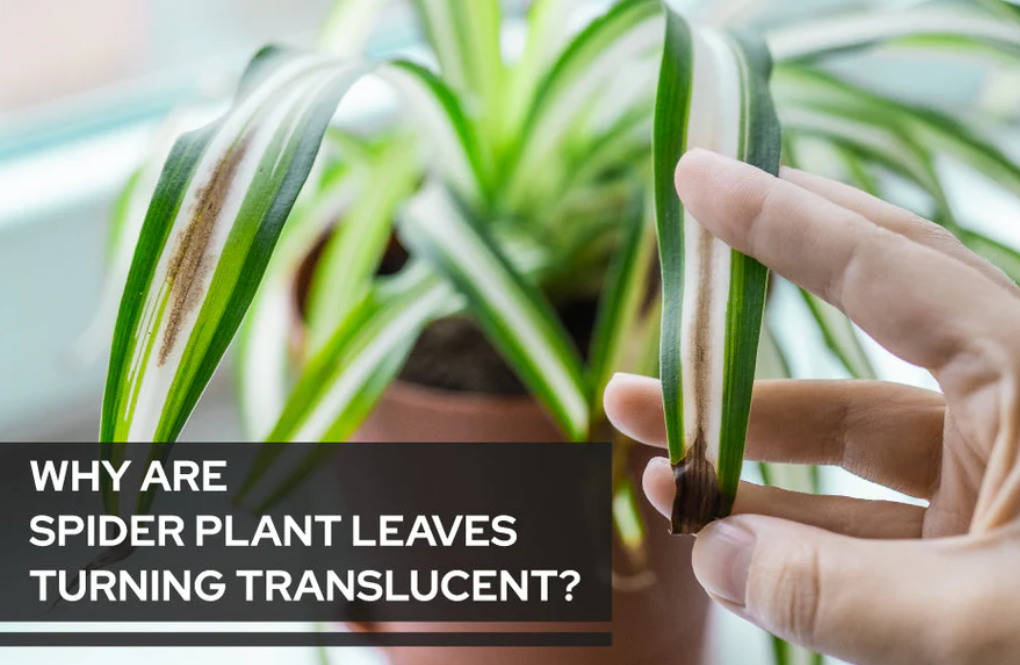
The first step is recognizing what sticky leaves actually look like. Typically, you'll notice a shiny, often greasy film on the surface of the leaves. Sometimes, this residue appears as a faint haze, while in other cases, it can be thick enough to attract dust or dust-like particles. You might also observe a sticky smell or smudges on nearby surfaces where the leaves touch.
Common causes overview: pests, sap-sucking insects, overwatering, or environmental factors
Several issues can lead to sticky leaves in Spider Plants, including:
- Pests: Sap-sucking insects such as scale insects or mealybugs excrete sticky fluids as they feed.
- Overwatering: Excess water can cause the plant to produce sticky exudates as a response to stress or fungal infections.
- Environmental factors: Chemical residues from nearby sprays, cleaning products, or pollutants can leave a sticky film.
- Other environmental stressors: High humidity or sudden temperature changes can also contribute to the problem. Understanding these causes is key to choosing the most effective solution.
Section 2: Diagnosing the Exact Cause
Accurate diagnosis ensures you treat the right problem. Here are some steps to identify what’s causing the sticky leaves on your Spider Plant:
Cause 1: Sap-sucking pests like scale insects or mealybugs
- Signs: Small, oval, or cottony pests on the undersides of leaves, stems, or at leaf nodes.
- Sticky evidence: Excretion of honeydew, a sugary, sticky substance where pests feed.
- Inspection tips: Use a magnifying glass to spot tiny insects or their shells.
Cause 2: Overwatering leading to sticky exudate and fungal issues
- Signs: Excess moisture on soil surface, root rot symptoms, and overall poor plant health.
- Sticky evidence: A clear or amber syrupy residue that may harden over time.
- Inspection tips: Check soil moisture and look for fungal growth or soft, discolored roots.
Cause 3: Environmental stress or chemical residue
- Signs: Residue streaks not linked to pests or fungal activity, often near windowsills or with recent chemical use.
- Sticky evidence: Chemical stains or films that wipe away easily.
- Inspection tips: Recall recent sprays or cleaning routines.
How to tell which cause applies to your plant
- Presence of pests = Pest infestation.
- Soil and watering habits = Overwatering issues.
- Residue without pests = Environmental contaminants or chemical residues. By carefully observing these signs, you'll narrow down the true cause of sticky leaves.
Section 3: Treatment Solutions
Once you've pinpointed the cause, you can apply targeted remedies to revive your Spider Plant.
Immediate actions: wiping leaves, isolating the plant
- Gently wipe the sticky residue from leaves using a damp cloth or sponge.
- Isolate your plant to prevent pest spread or contamination to other houseplants.
Effective treatments: insecticidal soap, neem oil, adjusting watering habits
- For pests: Regularly spray insecticidal soap or neem oil onto affected areas. Be thorough, especially underside of leaves and stems.
- Cleaning leaves: Use a soft cloth soaked in a mild soap solution to remove sticky exudates and pests.
- Adjust watering: Let the soil dry out between waterings. Ensure proper drainage to prevent overwatering.
Long-term care: regular inspections, proper watering, maintaining optimal humidity
- Inspect your plant weekly for early signs of pests or fungal growth.
- Water wisely—keep soil moist but not soggy.
- Improve humidity if necessary with a humidifier or pebble trays, as high humidity can sometimes exacerbate pest issues.
What to expect during recovery
Your Spider Plant might have some ongoing symptoms during treatment, but with consistent care, the sticky residue will diminish, leaves will regain their normal appearance, and your plant will continue to grow healthily.
Section 4: Prevention Tips
Preventing sticky leaves is easier than dealing with recurrent issues. Here are some practical habits:
Care routine adjustments: proper watering, cleaning leaves regularly
- Water properly: Check soil moisture and avoid overwatering.
- Clean leaves: Wipe leaves monthly with a damp cloth to remove dust and residues.
Environmental factors: monitoring humidity, avoiding chemical buildup
- Maintain optimal humidity: About 40-60%, avoiding extremes.
- Limit chemical sprays: Use natural or plant-safe products, and rinse off residues.
Regular pest checks and early intervention
- Inspect plants weekly for pests.
- Take swift action if any pests or sticky residues appear, before they spread.
Conclusion
Recap of key points
In summary, sticky leaves on your Spider Plant can stem from pests like scale insects or mealybugs, overwatering, or environmental residues. Accurate diagnosis combined with targeted treatment, such as insecticidal soap or cleaning routines, can effectively resolve the issue. Preventive strategies like proper watering, leaf cleaning, and regular plant inspections will keep your Spider Plant healthy and free of sticky trouble.
Encouragement
Don’t be discouraged—most issue with sticky leaves are reversible with attentive care. Your plant’s health largely depends on ongoing observation and prompt action.
Next steps
Start your diagnostic process today—inspect your Spider Plant closely and implement the tips shared here. Before long, your plant will be thriving, lush, and free from sticky leaves!
FAQ
Q: How long does it take to see improvements after treatment?
A: Typically, you can notice a reduction in sticky residue within a week if treatments are applied correctly. Complete recovery, especially if pests or fungal issues were involved, may take 2-3 weeks, depending on the severity. Consistent care is the key.
Q: Can sticky leaves indicate a serious health problem?
A: Not necessarily. Sticky leaves are usually an external issue caused by pests or environmental factors. However, prolonged neglect can lead to root rot or other systemic problems. Regular monitoring and prompt treatment prevent more serious health risks.
Q: Should I prune or remove severely damaged leaves?
A: Yes, if leaves are badly damaged, discolored, or covered with pests and exudates that don’t respond to cleaning, pruning them can help reduce pest populations and improve overall plant health. Focus on maintaining healthy, vigorous foliage.
Your Spider Plant's leaves are a window to its overall health. Stay observant, act promptly, and your indoor jungle will continue to flourish with lush, healthy, and non-sticky leaves!