Discover why your Aloe Vera develops brown tips and learn effective solutions and prevention tips to keep your plant healthy and vibrant.
Introduction
Noticing brown tips on your Aloe Vera can be worrying, especially if you've invested time and care into nurturing it. But don’t worry—this is a common issue faced by many plant enthusiasts and can often be resolved with simple adjustments.
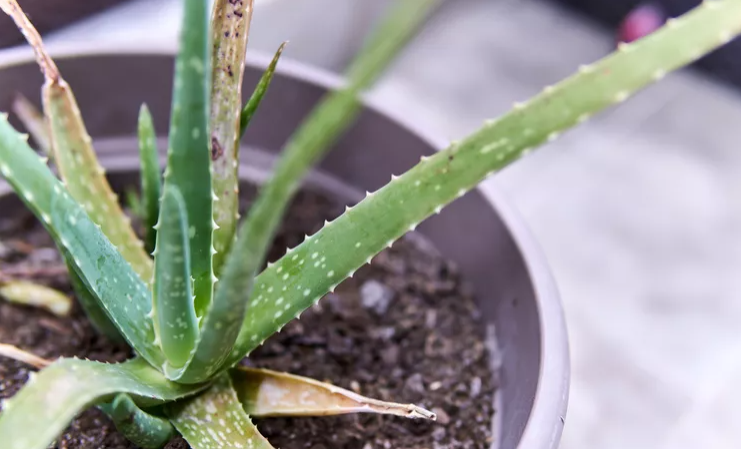
This article will explore why is my Aloe Vera having brown tips, how to diagnose the cause, and what practical steps you can take to revive your plant. Rest assured, with some attentive care, your Aloe Vera can recover and regain its lush, vibrant appearance.
Section 1: Understanding the Problem
Visual identification of brown tips and their appearance
Brown tips on Aloe Vera leaves typically appear as dry, crispy, or discolored edges at the end of the leaves. Sometimes, the browning can extend inward, turning the tips into a dull, dark brown or even black. The affected areas may feel rough or brittle, contrasting with the healthy, firm, and green parts of the leaf.
Common causes overview including watering issues, environmental stress, and nutrient deficiencies
Several factors can cause brown tips, but the most common culprits are:
- Overwatering or poor drainage
- Underwatering or inconsistent watering
- Excessive exposure to direct sunlight or extreme temperatures
- Nutrient deficiencies or imbalanced fertilization
- Environmental stress, such as low humidity or drafts Understanding these causes helps you pinpoint the problem and implement targeted solutions.
Section 2: Diagnosing the Exact Cause
Follow a step-by-step process to determine the root cause of the browning tips
Cause 1: Overwatering or poor drainage leading to root stress
If your Aloe Vera’s soil feels constantly wet or soggy, it’s likely overwatered. Aloe Vera prefers dry conditions; excess moisture can lead to root rot, causing the tips to brown as the roots struggle to supply nutrients.
Cause 2: Underwatering or inconsistent watering
Conversely, if the soil is very dry and your plant’s leaves look shriveled or dry, underwatering might be the culprit. Brown tips in this context are a sign of dehydration.
Cause 3: Exposure to direct sunlight or extreme temperatures
Aloe Vera thrives in bright, indirect sunlight. Excessive direct sun, especially during hot summer days, can scorch the leaves, resulting in brown, crispy tips. Similarly, exposure to cold drafts or extreme temperatures can stress the plant.
How to tell which cause applies to your plant
- Check soil moisture: Stick your finger about an inch into the soil. If it's soggy, overwatering is likely. If it's bone dry, underwatering could be the issue.
- Observe leaf condition: Are the tips dry and crispy, or are the leaves shriveled? This indicates dehydration or overhydration.
- Assess light exposure: Is your Aloe Vera placed in direct sunlight for hours? If yes, consider moving it to a spot with bright but indirect light.
- Monitor temperature: Is your plant near a drafty window or in a cold room? Extreme cold can cause browning.
Section 3: Treatment Solutions
Implement targeted fixes based on the diagnosed cause
Immediate actions:
- Adjust watering habits:
- For overwatering, reduce watering frequency and ensure the pot has proper drainage.
- For underwatering, water thoroughly when the top inch of soil is dry, but avoid letting the plant sit in water.
- Improve drainage:
- Use a well-draining soil mix designed for succulents and cacti.
- Ensure your pot has drainage holes to prevent water pooling.
- Move the plant to optimal light:
- Place your Aloe Vera in a spot with bright, indirect sunlight. If it’s exposed to harsh direct sun, especially in hot climates, consider providing some shade during peak hours.
Long-term treatment:
- Use proper soil:
- Mix cactus or succulent soil with sand or perlite to enhance drainage.
- Fertilize appropriately:
- Feed your Aloe Vera with a diluted cactus or succulent fertilizer during the growing season (spring and summer). Avoid over-fertilizing, which can cause salt buildup and leaf tip browning.
- Prune damaged leaves:
- Use clean, sharp scissors to trim off dried or severely browned tips. This not only improves appearance but also helps prevent pests and disease.
What to expect during recovery and signs of improvement
- New leaves should grow healthy and upright.
- Brown tips will gradually recede if the underlying cause is addressed.
- The plant will appear more vibrant and firm over time.
Section 4: Prevention Tips
Maintain healthy Aloe Vera growth and prevent future issues
-
Establish a consistent watering routine:
Water only when the top inch of soil feels dry. During winter, reduce watering even further. -
Ensure the plant is in an ideal light environment:
Place your Aloe Vera where it receives bright, indirect sunlight. Avoid prolonged direct sun in extremely hot conditions. -
Use well-draining soil and avoid over-fertilizing:
Choose a succulent-specific soil mix and fertilize sparingly, only during active growth periods. -
Monitor environmental factors:
Keep your plant in a stable temperature range (ideally between 55°F and 80°F) and away from drafts or cold windows. -
Regular inspection:
Keep an eye on your Aloe Vera for early signs of stress or damage, allowing you to address issues before they worsen.
Conclusion
Recap the main causes of brown tips and the importance of proper watering, lighting, and care routines
Brown tips on your Aloe Vera are often a sign of environmental stress, watering issues, or nutrient imbalance. Understanding the specific cause allows you to implement effective remedies—whether it’s adjusting your watering habits, relocating the plant, or improving drainage and soil quality.
Encouragement
With attentive care and proper adjustments, your Aloe Vera can recover from brown tips and continue to thrive. Remember, patience is key, and small consistent efforts make a big difference.
Next steps
- Review your current care routine.
- Make necessary adjustments based on your plant’s specific needs.
- Keep monitoring for signs of improvement, and don’t hesitate to prune damaged leaves to encourage healthy growth. Your Aloe Vera is resilient and, with a little love, will soon flourish again!
FAQ
Q: How long until I see improvement after fixing watering issues?
A: Typically, you can expect to see signs of recovery within a few weeks. New, healthy growth should begin emerging, and the browning tips will gradually recede. Consistency in care is essential.
Q: Can brown tips be trimmed without harming the plant?
A: Yes. Use clean, sharp scissors to carefully trim only the dried or crispy tips. Avoid cutting into healthy green tissue to prevent stress or infection.
Q: Is it safe to use natural remedies like neem oil for Aloe Vera with brown tips?
A: While neem oil can help prevent pests and fungal issues, it’s best to address the underlying cause of browning first. Use natural remedies sparingly and always dilute properly to avoid further stress.
With these insights and practical tips, you’re well on your way to keeping your Aloe Vera healthy, vibrant, and free of brown tips!