Noticing a fuzzy white coating on your beloved Alocasia can be quite alarming, especially if you're new to caring for these striking plants. Such a mysterious fuzz might cause concern about your plant’s health, but don’t worry—this is a common issue with manageable solutions. With some basic knowledge and a little care, your Alocasia can recover perfectly and continue to flourish.
This article explores why that white fuzz appears, how to correctly diagnose its cause, effective treatment strategies, and how to prevent it from recurring. Rest assured, with patience and proper care, your plant will stay healthy and vibrant for years to come.
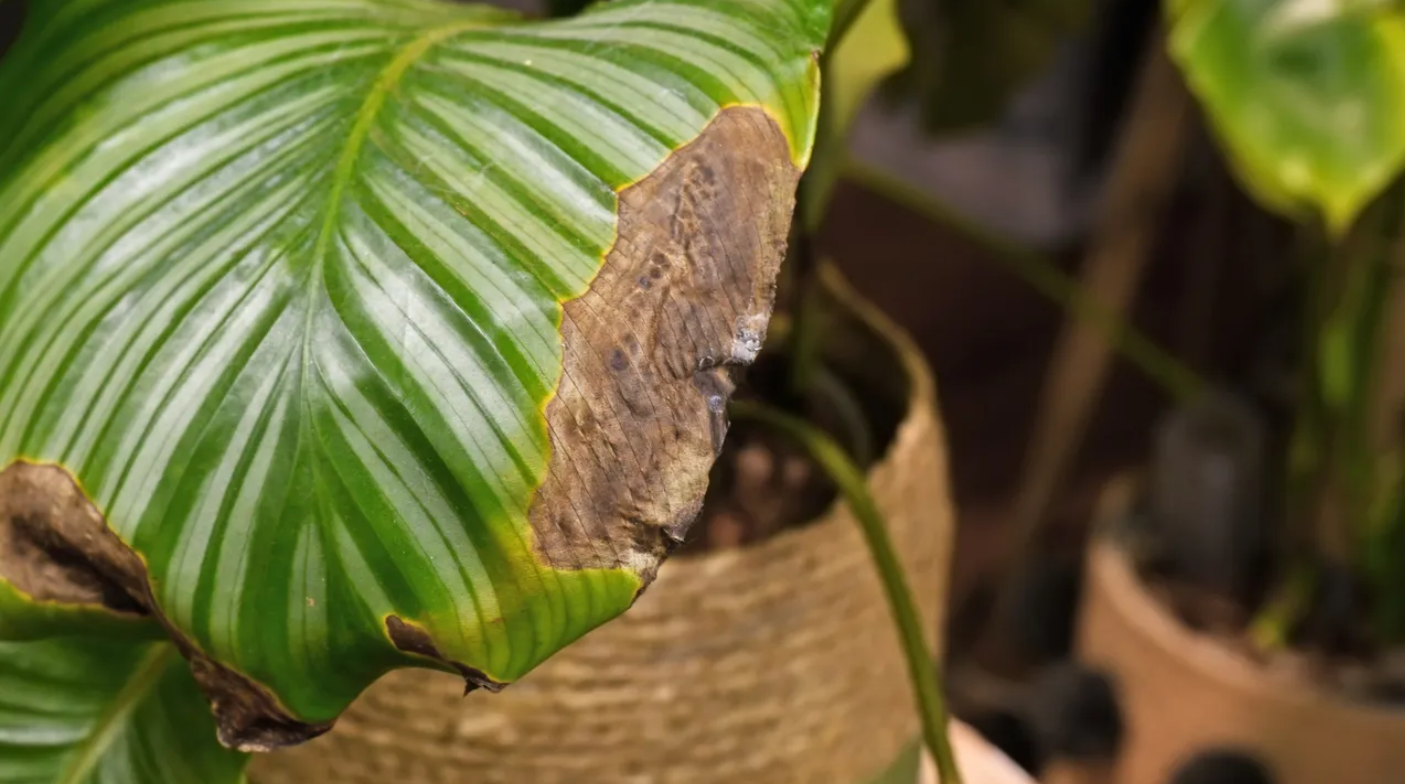
Section 1: Understanding the Problem
Visual identification: What does white fuzz look like on Alocasia?
When you observe your Alocasia and notice a soft, cottony, or powdery white growth on its leaves, stems, or soil surface, you’re likely seeing the white fuzz in action. This fuzz can resemble tiny patches of wool, mold, or a fluffy moldy coating. It may appear as a crusty or fuzzy layer that feels slightly powdery or cotton-like to the touch.
Common causes overview: Fungal infections, mold, or pest residues
The white fuzz isn't always the same problem—it can stem from different causes:
- Fungal infections or mold: These often appear as white powdery or fuzzy patches, especially in humid conditions.
- Mold growth: Excess moisture can lead to mold colonies on soil or plant surfaces.
- Pest residues: Certain pests, such as mealybugs or scale insects, secrete cottony or fluffy waxy residues that look like white fuzz. Understanding which of these causes applies to your plant is essential for effective treatment.
Section 2: Diagnosing the Exact Cause
Accurate diagnosis is crucial to choosing the best remedy. Follow these steps:
Cause 1: Fungal infection or mold growth
Notice if the white fuzz is powdery or fuzzy, perhaps accompanied by dampness or a musty smell. Fungal infections often develop in humid environments, especially if the plant remains too wet.
Cause 2: Pest residue, such as mealybugs or scale insects secreting cottony masses
Look closely for insects or small white cottony masses on the undersides of leaves, stems, or even roots. These pests excrete a waxy secretion that appears fuzzy and can cause further damage.
Cause 3: Environmental humidity promoting mold or mildew
High humidity areas or overwatering can cause mold to develop on soil surface or leaf surfaces. Mold often looks fuzzy, grayish-white, or greenish, but sometimes appears very similar to fungal growth.
How to tell which cause is affecting your plant
- Inspect closely: Use a magnifying glass if needed.
- Check for pests: Look for tiny insects, sticky residue, or movement.
- Assess environmental conditions: Is your plant in a very humid or poorly ventilated spot? Is the soil overly wet?
- Feel the fuzz: Fungal or mold growth tends to be powdery or crusty, while pest residues are often cottony and attached to the plant or soil. Once you identify the cause, you can move on to targeted treatment.
Section 3: Treatment Solutions
Immediate actions: Gently remove the fuzz, isolate the plant
- Remove visibly affected parts: Gently brush off or wipe away the white fuzz with a soft cloth or sponge.
- Isolate your Alocasia: For safety, keep the plant away from others to prevent spreading any disease or pests.
Natural remedies: Neem oil, insecticidal soap for pests and fungi
- Neem oil solution: Mix according to label instructions and spray thoroughly on leaves, stems, and soil. Neem oil acts as a natural fungicide and pesticide.
- Insecticidal soap: Effective against pests like mealybugs or scale insects, especially when applied directly to affected areas.
Chemical treatments: Fungicides or pesticides, if necessary
- Use a commercial fungicide to target fungal infections, following application instructions carefully.
- Pesticides may be necessary for heavy pest infestations, but avoid overuse to protect beneficial insects and your plant's overall health.
Long-term care: Improving ventilation, reducing humidity, controlled watering
- Enhance airflow around your Alocasia by placing it in a well-ventilated area.
- Reduce watering frequency to prevent excess moisture—allow the top inch of soil to dry out before watering again.
- Avoid overwatering, ensuring the soil drains well.
What to expect during plant recovery
With proper treatment, the white fuzz will gradually diminish, and your Alocasia will regain its healthy appearance. Be patient; recovery might take a few weeks, especially if the plant was severely affected.
Section 4: Prevention Tips
Maintaining optimal conditions is key to preventing white fuzz from returning.
- Adjust watering habits: Water only when the topsoil is dry and avoid over-saturating the soil.
- Ensure good airflow: Position your Alocasia in a spot with ample ventilation, avoiding cramped or stagnant air.
- Regularly inspect your plant: Early detection of pests or mold makes treatment easier.
- Use appropriate soil: Well-draining soil prevents excess moisture, reducing mold and fungal growth.
- Maintain moderate humidity: While Alocasias appreciate humidity, excessive moisture breeds fungi and mold. Implementing these practices will greatly reduce the chances of recurring white fuzz and keep your plant thriving.
Conclusion
Addressing white fuzz on your Alocasia involves careful diagnosis, tailored treatment, and consistent preventive practices. Recognize the cause—be it fungi, mold, or pests—and respond promptly with the right solutions. With dedicated care, your Alocasia can recover from this common issue and reward you with lush, healthy leaves. Keep monitoring your plant regularly, refine your watering and humidity levels, and stay vigilant for pests. By doing so, you’ll enjoy a beautiful, thriving Alocasia that adds vibrant greenery to your indoor space for years to come.
FAQ
Q: How long until I see improvement after treatment?
A: Usually, you can expect to see the fuzz diminish within 1 to 2 weeks after proper treatment, provided you follow the recommended care steps and maintain good environmental conditions.
Q: Can white fuzz be completely eradicated?
A: Yes, with persistent treatment and preventative measures, the white fuzz can be fully removed. Regular inspections and maintaining optimal growing conditions are essential to prevent recurrence.
Q: Should I prune parts of my Alocasia affected by white fuzz?
A: If certain leaves or stems are heavily infested or damaged, pruning those parts can help. Use clean, sharp scissors or pruning shears to avoid spreading pests or disease, and dispose of the cuttings properly.
By understanding the causes, taking swift action, and maintaining a healthy environment, you’ll ensure your Alocasia stays beautiful and healthy. Happy gardening!