Quick Summary: Brown tips on Monstera deliciosa can be unsettling, but they’re often a manageable hiccup. With some careful diagnosis and simple tweaks in care, your plant can recover beautifully. This guide will explore common causes, show you how to treat them, and help prevent future browning so your Monstera stays lush and healthy.
Introduction
Noticing brown tips on your beloved Monstera deliciosa can be genuinely distressing—your green companion suddenly looking unhealthy is heartbreaking. You might wonder, "Did I do something wrong? Will my plant bounce back?" Rest assured, browning leaf tips are a common issue among houseplant enthusiasts and are usually solvable with some adjustments. Plants like Monsteras are quite resilient—they communicate through their leaves, signaling when something’s off. The good news is, browning tips often stem from manageable issues like watering habits, humidity levels, or nutrition. Understanding why this happens is the first step toward recovery. In this article, we will guide you through recognizing the symptoms, diagnosing the root cause, and applying effective treatments. Whether your Monstera is just beginning to show signs or has severe browning, the steps here will help you restore your plant’s vitality. Remember—patience and attentive care go a long way, and with your nurturing, your Monstera can thrive again!
Section 1: Understanding the Problem
Visual identification of browning tips and leaf edges
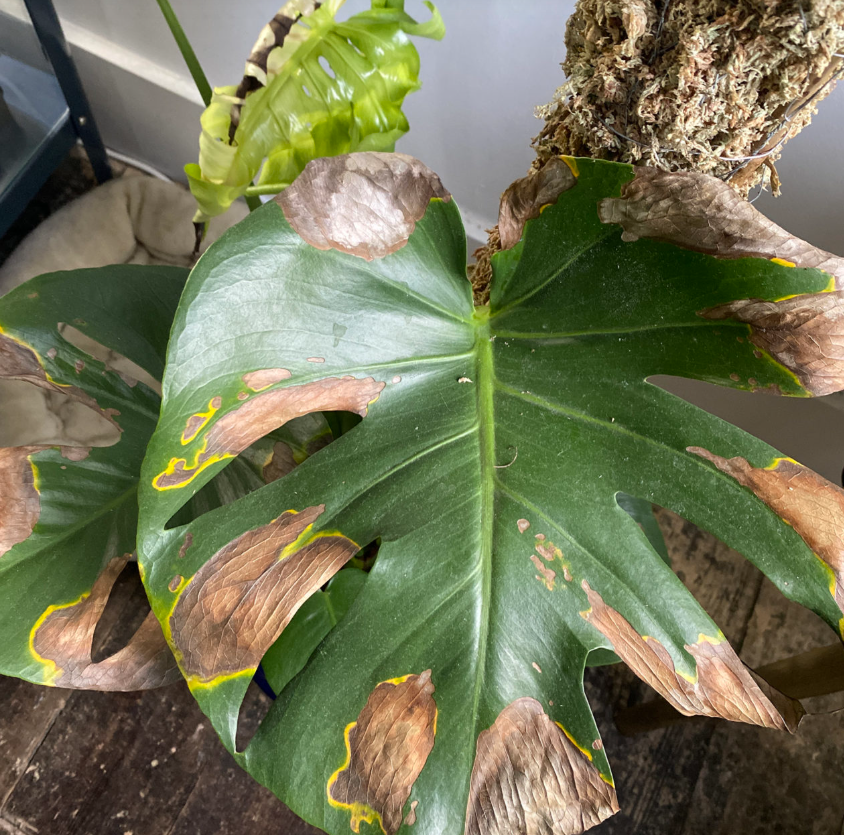
Browning tips usually appear as golden, yellow, or dark brown spots along the edges or tips of your Monstera leaves. Sometimes, the browning starts at the leaf margins and slowly spreads inward or downward. You might also notice a dry, crispy texture, especially if the tips become brittle. Clear identification helps you determine whether your plant’s issue is mild or more severe. Healthy Monsteras have vibrant, firm leaves, so any discoloration indicates a stress point that needs addressing.
Common causes overview including watering issues, low humidity, and nutrients
Several factors can cause brown tips, often related to environmental stress or care routines:
- Underwatering or inconsistent watering
- Low humidity in your indoor space
- Over-fertilization or salt buildup
- Excessive direct sunlight
- Root or soil problems (like compacted soil or root rot)
Understanding which of these is affecting your plant will help you apply precise remedies, saving your Monstera from lasting damage.
Section 2: Diagnosing the Exact Cause
Follow these steps to identify why your Monstera’s leaf tips are browning:
Cause 1: Underwatering or inconsistent watering
Symptoms: Dry, brown tips that appear crispy, especially if the soil feels dry several inches down. Leaves may also appear wilted or droopy. How to confirm: Check soil moisture — insert your finger about 2 inches into the soil. If it feels dry and crumbly, your plant may be underwatered. Consistently dry soil stresses roots, causing leaf damage. Why it happens: Monsteras prefer evenly moist, well-draining soil. Neglecting watering or letting soil dry out completely causes leaf tissues to dry and brown at the tips.
Cause 2: Low humidity in your indoor environment
Symptoms: Tips are dry, crispy, and sometimes flaky, especially in winter when indoor heating reduces humidity. How to confirm: Use a hygrometer to test indoor humidity—below 40% is often too low for tropical plants. Observe if browning gets worse during heating season. Why it happens: Monsteras thrive in 60–75% humidity. Low humidity causes moisture loss from leaf edges, leading to browning and dryness.
Cause 3: Excess fertilizer or salt build-up
Symptoms: Browning tips with a yellowish hue, sometimes accompanied by a salty crust around the soil surface. How to confirm: If you’ve been fertilizing more often or using high-strength fertilizers, salts can accumulate, damaging roots and leaf tips. Why it happens: Excess nutrients create osmotic stress, dehydrating leaf tissues. Salt buildup can also clog roots, impairing nutrient uptake.
How to tell which cause applies to your plant
Create a quick checklist:
- Soil feels dry or moist? Dry—underwatering; moist—appropriate.
- Indoor humidity low? Yes—check with hygrometer.
- Have you recently fertilized heavily? Yes—possible salt buildup.
- Browning worsens in winter or with heating? Likely low humidity.
By matching symptoms to causes, you can implement targeted treatments.
Section 3: Treatment Solutions
Immediate actions: adjusting watering, increasing humidity, flushing soil
1. Fix underwatering:
- Water your Monstera thoroughly when the top 1-2 inches of soil feel dry.
- Ensure excess water drains completely—never let it sit in the saucer.
-
For quick relief, add a water-soluble fertilizer diluted to half strength every 4-6 weeks. 2. Increase humidity:
-
Use a humidifier in your room, aiming for 60–75%.
- Place a water tray with pebbles under your plant's pot—ensure the pot isn't sitting directly in water.
-
Group your plants together to create a microenvironment with higher humidity. 3. Flush soil to remove excess salts:
-
Water your plant with distilled or rainwater until you see a steady drain out of the bottom, carrying away salts.
- Repeat every few weeks if salt buildup persists.
Long-term treatment plans: consistent watering schedule, humidity management, fertilization practices
- Develop a routine: water your Monstera when the top inch feels dry.
- Maintain humidity: regularly mist leaves, or better yet, use a humidifier during dry months.
- Fertilize wisely: feed every 4-6 weeks during the growing season with balanced, water-soluble fertilizer.
- Check drainage and soil health: repot if soil is compacted or roots appear crowded.
What to expect during recovery and signs of improvement
Within a few weeks of proper care, you should notice new leaves unfurling healthy and green. Brown tips may gradually turn brownish or become less noticeable if damaged tissue remains, but healthy new growth indicates your plant is bouncing back. If browning persists despite these steps, reassess environmental conditions and consider trimming severely damaged leaf tips (using sterilized scissors) to direct energy to healthy tissue.
Section 4: Prevention Tips
- Maintain proper watering routines: check soil moisture regularly. Water when the top inch feels dry—avoid letting soil stay soggy or completely dry for long periods.
- Avoid over-fertilizing: feed sparingly, using a balanced fertilizer every 4-6 weeks during active growth. Too much fertilizer leads to salt buildup, stressing your Monstera.
- Boost humidity: in winter, use a humidifier or pebble tray, especially in centrally heated homes.
- Monitor environmental conditions: keep your plant out of direct afternoon sun, which can scorch leaves, and avoid sudden changes in temperature or drafts. Regular observation is key—check your Monstera’s leaves weekly for early signs of stress, and adjust care accordingly. A little proactive attention goes a long way in keeping your plant lush.
Frequently Asked Questions
Q: How long until I see improvement after fixing watering or humidity?
A: Typically, you'll notice signs of recovery within 2–4 weeks. New, healthy leaves should start emerging, and browning tips may slowly die back. Patience is essential, as damaged tissue won’t recover, but new growth indicates your plant is healing.
Q: Can brown tips fully recover, or do I need to prune?
A: Brown tips are usually just dead tissue. You can prune these tips with sterilized scissors to improve appearance and prevent further stress. However, if the browning is limited, the plant can recover with proper care without pruning.
Q: Are there natural remedies to reduce browning tips?
A: Yes! Mist leaves regularly to boost humidity, and consider using natural sprays like neem oil to deter pests that can exacerbate stress. If browning is caused by salt buildup, flushing the soil with distilled water is a natural way to cleanse accumulated salts.
Conclusion
Key Takeaways:
- Browning tips on Monstera deliciosa are common and often linked to watering, humidity, or fertilizer issues.
- Diagnosis involves assessing soil moisture, humidity levels, and recent care routines.
- Remedies include adjusting watering habits, increasing humidity, and flushing soil for salt buildup.
- Prevent future browning by establishing consistent watering, controlling fertilization, and maintaining high humidity.
- Patience and attentive care will help your Monstera recover and flourish again.
You’re doing a wonderful job caring for your plant—trust your instincts, stay observant, and apply these practical steps. Before long, your Monstera will be back to showcasing its beautiful, lush leaves as a testament to your loving care.