Learn practical steps to diagnose and fix soft leaves on your String of Pearls. Improve plant health with our easy, reassuring care tips.
Introduction
Noticing your String of Pearls developing soft, limp leaves can be worrying, especially if you’ve nurtured this charming succulent for some time. Don’t fret—this common issue is usually fixable with some simple adjustments. Whether your plant’s leaves are mushy, drooping, or appear weaker than usual, understanding the cause is the first step toward revival. This guide aims to demystify how to fix String of Pearls soft leaves, helping you identify potential problems, diagnose the root cause accurately, and provide straightforward solutions. With patience and attentive care, your plant can bounce back and flourish once again.
Section 1: Understanding the Problem
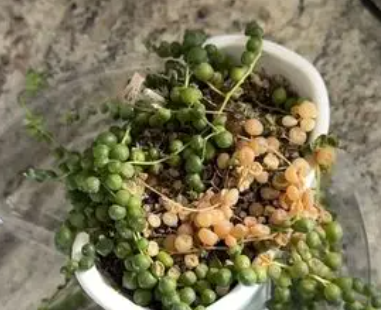
Visual Identification
Soft, mushy, or drooping leaves are often a sign that your String of Pearls is under stress. Look for:
- Wilted or limp leaves: They hang limply and may feel soft to the touch.
- Mushy texture: Leaves feel watery or rubbery, often with a translucent or slimy appearance.
- Color changes: Leaves may turn yellow or brown before softening.
- Frequent leaf drop: Soft leaves might fall off easily, indicating declining health. This visual cue suggests the plant is struggling with an environmental or care-related problem.
Common Causes Overview
Several issues can lead to soft leaves, including:
- Overwatering: Excess water causes roots to rot, preventing the plant from absorbing nutrients effectively.
- Root rot: A direct consequence of overwatering, causing roots to decay.
- Low or inconsistent light: Insufficient sunlight weakens the plant, making leaves soft and floppy.
- Nutrient deficiencies or stress: Lack of certain nutrients or environmental stress can make leaves limp.
- Temperature fluctuations: Too cold or hot conditions stress the plant, affecting leaf firmness. Understanding these causes helps you narrow down what might be affecting your String of Pearls.
Section 2: Diagnosing the Exact Cause
Follow diagnostic steps:
Cause 1: Overwatering leading to root rot
- Check soil moisture: Insert your finger about an inch into the soil. If it feels soggy or waterlogged, overwatering is likely.
- Smell test: Soggy soil with an unpleasant odor indicates root rot.
- Root inspection: Carefully remove the plant from its pot. Healthy roots are white and firm; rotten roots are brown and mushy.
Cause 2: Insufficient light
- Observe where your plant is placed. Is it near a window with indirect light? Or is it in a shaded corner?
- Look at the leaf color. Pale or yellowish leaves may indicate low light.
Cause 3: Nutritional deficiencies or stress
- Soft leaves accompanied by discoloration, speckles, or leaf drop suggest nutrient issues.
- Recent transplanting or repotting can also stress the plant, causing limp leaves.
How to tell which cause it is:
- Overwatering symptoms: Soggy soil, root rot, and mushy roots.
- Low light symptoms: Pale, elongated, and weak stems with soft leaves.
- Nutritional stress: Discoloration and increased leaf drop.
- Use these clues alongside your observations to pinpoint the exact problem.
Section 3: Treatment Solutions
Immediate actions
- Remove damaged parts: Gently prune all mushy, rotten, or limp leaves using clean scissors to prevent disease spread.
- Adjust watering schedule: Allow soil to dry out completely before watering again. Wait at least a week before watering again.
- Improve light exposure: Move your String of Pearls to a brighter location with bright, indirect sunlight.
Long-term treatment plan
- Repot if needed: Use well-draining soil specifically designed for succulents. Select a pot with drainage holes.
- Use appropriate fertilizer: Apply a balanced, diluted succulent fertilizer during the growing season to restore nutrient levels.
- Monitor watering carefully: Water only when the top 1-2 inches of soil are dry. Avoid letting the plant sit in water.
During recovery
- Maintain proper humidity: Keep the environment dry, as high humidity favors rot.
- Avoid direct sun initially: Gradually introduce more light to prevent sunburn while the plant recovers.
- Observe regularly: Check for new soft leaves or other issues and respond promptly.
Section 4: Prevention Tips
Care routine adjustments
- Water sparingly: A good rule of thumb is to water only when the soil is completely dry.
- Provide stable light: Place your String of Pearls in a spot with bright, indirect light for several hours daily.
- Use well-draining soil: Commercial succulent mixes or sand and perlite can improve drainage.
Environmental factors
- Ensure proper drainage: Use pots with drainage holes and avoid letting excess water accumulate.
- Maintain humidity levels: Keep the environment dry; avoid placing your plant in steamy bathrooms or directly in cold drafts.
- Temperature control: Keep your plant in a stable environment between 65°F and 80°F (18°C–27°C) and protect it from frost or intense heat.
Conclusion
Dealing with how to fix String of Pearls soft leaves is manageable once you understand the root cause. Whether it’s overwatering, inadequate light, or other stressors, targeted care adjustments can restore your plant’s health. Remember, your String of Pearls can recover from soft leaves—patience, consistent care, and keen observation are your best tools. By following the steps outlined, you’re well on your way to nurturing a lush, thriving String of Pearls once again. Stay attentive, keep learning, and enjoy the process of caring for your beautiful indoor succulent!
FAQ
Q: How long until I see improvement after adjusting watering?
A: Typically, you can expect to see signs of recovery within 1-2 weeks following proper watering practices. Soft leaves should start firming up, and new healthy growth may appear.
Q: Can my String of Pearls fully recover from root rot?
A: Yes, if caught early and all rotten roots are carefully removed, your plant can recover. Repot in fresh, well-draining soil and follow a strict watering schedule to prevent recurrence.
Q: Should I prune all soft leaves or only the damaged parts?
A: It’s best to prune only the severely soft, mushy, or discolored leaves. Removing these helps prevent disease spread and encourages new, healthy growth.
Your String of Pearls is resilient. With attentive care and timely adjustments, it can regain its beautiful, plump, and vibrant appearance. Happy planting!