Learn how to identify, diagnose, and treat drooping leaves on your Rubber Plant with simple tips to revive its health and prevent future problems.
Introduction
Noticing your Rubber Plant's leaves drooping can be worrying, especially when you’ve invested time and love into caring for it. But don’t worry—drooping leaves are often a sign that your plant needs a little attention and adjustment. With some understanding and simple steps, you can help your Rubber Plant bounce back to its vibrant, healthy self.
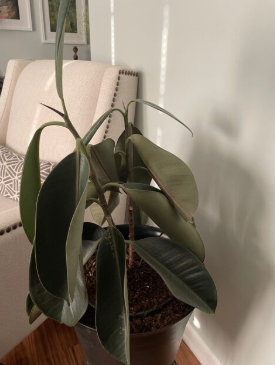
This guide will walk you through understanding what causes drooping, how to diagnose the problem accurately, and easy fixes to bring your Rubber Plant back to life. Whether you’re a beginner or an intermediate plant enthusiast, these practical tips will empower you to care for your plant confidently.
Section 1: Understanding the Problem
Visual Identification of Drooping Leaves and Overall Plant Appearance
Drooping leaves are usually soft, limp, and may hang downward, giving the plant a wilted appearance. Sometimes, the leaves may look discolored or feel weak to the touch. The overall plant might seem less vigorous, with stems that appear weak or floppy. Recognizing these signs early is key to addressing the problem before it worsens.
Common Causes of Drooping in Rubber Plants
Several factors can lead to drooping leaves, including:
- Overwatering: Excess water can suffocate roots, leading to root rot and weak stems.
- Underwatering: Lack of water causes dehydration, making leaves limp and crispy.
- Improper Lighting: Too little light stresses the plant, weakening its structure.
- Environmental Stress: Sudden temperature changes, drafts, or low humidity can cause stress.
- Pests or Diseases: Infestations or infections can weaken plant tissues, resulting in drooping. Understanding these common issues helps you narrow down the cause and choose the right solution.
Section 2: Diagnosing the Exact Cause
Step-by-Step Process to Determine What's Causing Your Rubber Plant's Drooping Leaves
Cause 1: Overwatering Leading to Root Rot and Weak Stems
- Check the soil moisture with your finger—if it feels soggy or waterlogged, overwatering is likely.
- Smell the soil—an unpleasant, sour odor indicates root rot.
- Roots may appear brown, slimy, and foul-smelling when you gently remove the plant from its pot.
Cause 2: Underwatering Causing Dehydration and Limp Leaves
- If the soil is dry several inches below the surface, and leaves feel dry or crispy, underwatering is the culprit.
- The plant may look generally dull, with leaves that are soft and wilted.
Cause 3: Insufficient Light or Improper Temperature Stress
- Observe the plant’s location—if it’s in a dim corner or near cold drafts, it might be lacking adequate light or experiencing temperature stress.
- Leaves may droop, and growth may slow down.
How to Tell Which Cause Applies to Your Plant
- Soil moisture check: Use your finger or a moisture meter.
- Light assessment: Note the location—near windows or away from light sources.
- Stem firmness: Gently touch the stems; weak, soft stems suggest overwatering or stress, while firm stems indicate proper health. By identifying these signs, you can determine whether overwatering, underwatering, or environmental factors are behind your Rubber Plant’s drooping leaves.
Section 3: Treatment Solutions
Immediate Actions
- Adjust watering schedule: Let the top inch of soil dry out before watering again. For overwatered plants, reduce watering frequency.
- Improve drainage: Ensure your pot has drainage holes, and consider adding perlite or gravel to the soil mix.
- Move to appropriate light conditions: Place your Rubber Plant near bright, indirect sunlight, avoiding direct sun or dark corners.
- Control environmental stress: Keep the plant away from cold drafts, heating vents, or sudden temperature changes.
Long-term Treatment
- Repot if root rot is suspected: Gently remove the plant, trim away any rotten roots with sterilized scissors, and repot in fresh, well-draining soil.
- Prune damaged parts: Cut off any severely drooping or discolored leaves to encourage new growth.
- Address pests or diseases: If pests are present, treat with natural remedies like neem oil, and keep the plant healthy to resist infections.
Monitoring Recovery
- Keep an eye on soil moisture, light, and overall plant appearance.
- You should notice leaves becoming firm and upright within a few weeks if the treatment is effective.
- Regularly inspect your plant to catch any future issues early.
Section 4: Prevention Tips
Routine Care to Keep Your Rubber Plant Healthy
- Consistent watering practices: Water deeply when the top inch of soil is dry, but avoid letting the plant sit in water.
- Monitor soil moisture: Use a moisture meter or finger test to prevent over- or underwatering.
- Provide optimal lighting: Place your Rubber Plant in bright, indirect light for at least 4-6 hours daily.
- Maintain proper temperature and humidity: Keep the room between 65-80°F (18-27°C) and maintain humidity levels around 40-60%.
- Regular inspection: Check leaves and stems for pests, signs of disease, or stress, and act promptly if needed. By following these tips, you can help prevent future drooping and keep your Rubber Plant thriving.
Conclusion
Quick recap: proper diagnosis, timely treatment, and preventive care are key to reviving your Rubber Plant.
Drooping leaves are a common issue but are usually easily fixable with attentive care. Start by checking soil moisture and light conditions, then follow a tailored treatment plan based on your diagnosis. With patience and proper adjustments, your Rubber Plant can regain its vitality and continue to beautify your indoor space. Remember, most drooping leaves are reversible—so don’t get discouraged. Your plant depends on your attentive care, and with a little effort, it will thank you with lush, healthy foliage.
FAQ
Q: How long until I see improvement after fixing watering issues?
A: Typically, you can notice signs of recovery within a few weeks. Leaves may gradually firm up and stand upright as the plant heals. Consistency is key—stick to your new watering routine and environmental adjustments.
Q: Can a drooping Rubber Plant recover fully?
A: Yes, most Rubber Plants can recover completely if the cause is identified and treated promptly. Severe root rot may require repotting, but with proper care, new healthy growth will emerge.
Q: Should I prune drooping or damaged leaves?
A: Yes, pruning damaged or severely drooping leaves encourages healthy growth and improves the plant’s overall appearance. Use clean, sharp scissors and remove only the affected parts to promote faster recovery.
With proper diagnosis and a little TLC, your Rubber Plant can bounce back from drooping leaves and thrive in your home. Happy gardening!