Discover why your ZZ plant's new leaves are sticky and how to fix it with simple diagnostics, treatments, and prevention tips for healthy growth.
Introduction
Noticing sticky residue on your ZZ plant's new leaves can be quite alarming, especially if you're a proud indoor plant enthusiast eager to keep your plant healthy. Rest assured, you're not alone—many plant owners encounter this issue at some point. The good news is that sticky leaves are often a sign of manageable causes like pests, sap leaks, or environmental stress, and with some straightforward steps, you can help your ZZ plant recover and thrive again. This guide will walk you through understanding the problem, diagnosing its cause, applying effective treatments, and preventing it from recurring.
Section 1: Understanding the Problem
Visual identification of sticky residue and shiny leaves
When your ZZ plant's new growth appears sticky or has a shiny, oily coating, it might look unusual compared to the typical matte finish of healthy leaves. This sticky layer can be transparent, yellowish, or brownish, often accompanied by a faint smell or residue that feels tacky to the touch.
Common causes: pest secretions, sap exudation, or environmental stress
Several factors can cause sticky leaves on your ZZ plant’s new growth:
- Pest secretions: Insects like scale or aphids secrete honeydew, a sticky substance that coats leaves.
- Sap leaks: Damage or stress can cause plant sap to exude from stems or leaf nodes.
- Environmental factors: Excessive heat, drought stress, or overwatering can cause the plant to exude sap or produce sticky exudates. Understanding these causes helps narrow down the source and choose the right treatment.
Section 2: Diagnosing the Exact Cause
Follow a step-by-step process to determine why your ZZ plant's leaves are sticky
Cause 1: Sap leaking from damaged or stressed stems
Inspect the plant for physical damage, broken stems, or signs of stress such as wilting or discoloration. If you notice clear or milky sap oozing from the stems or leaf nodes, this is likely the cause.
Cause 2: Pest infestation, such as scale insects or aphids secreting honeydew
Look closely at the undersides of leaves and stems for small, oval-shaped insects or waxy, shell-like coverings—signs of scale. Aphids may appear as tiny green, yellow, or black bugs clustered on new growth.
Cause 3: Environmental factors causing sap exudation or stress
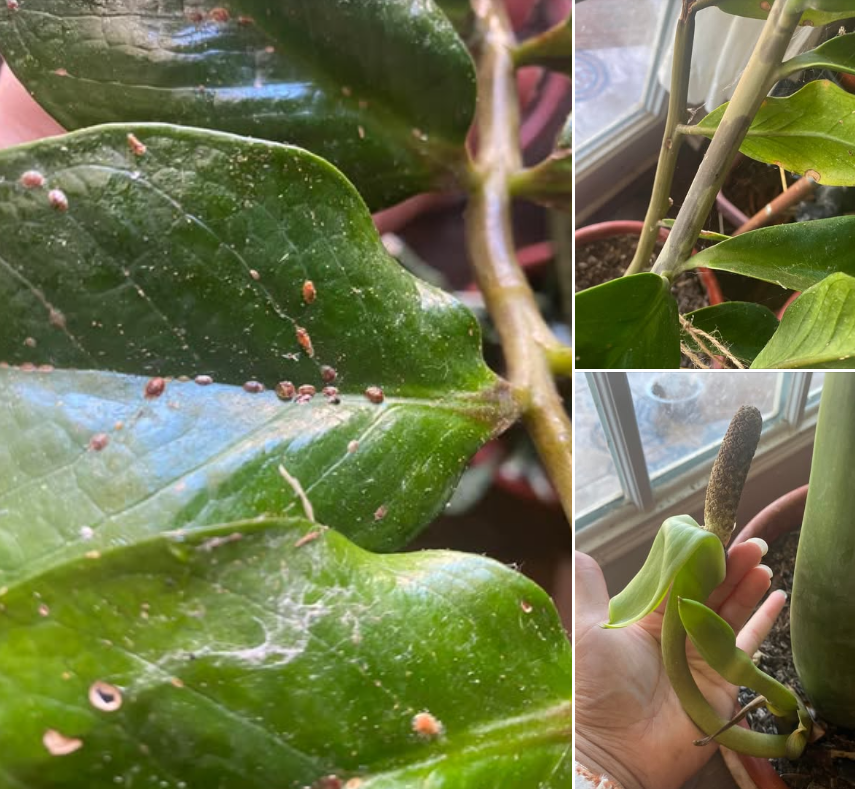
If your plant has been exposed to sudden temperature changes, drafts, or inconsistent watering, it may respond by exuding sap or secreting sticky substances as a stress response.
How to tell which cause applies to your plant
- Presence of pests: Tiny insects or waxy coatings suggest pest issues.
- Physical damage or stress signs: Broken stems, wilting, or discoloration point toward environmental stress or injury.
- Sticky residue without pests: Could indicate sap leakage from stress or damage. Accurate diagnosis allows targeted treatment, making your efforts more effective.
Section 3: Treatment Solutions
Implement targeted fixes for each identified cause
Immediate actions: gently clean leaves with mild soap solution or alcohol wipe
Start by removing the sticky residue:
- Mix a few drops of mild liquid soap with water.
- Gently wipe the leaves and stems with a soft cloth or sponge dipped in this solution.
- Alternatively, use a cotton swab dipped in isopropyl alcohol to carefully clean small areas. This helps remove the residue and makes it easier to inspect for pests or damage.
Treating pests with insecticidal soap or neem oil
If pests are present:
- Spray your ZZ plant with insecticidal soap or neem oil, ensuring thorough coverage, especially on the undersides of leaves.
- Repeat every 7-10 days until pests are eradicated.
- For severe infestations, consider physically removing pests with a soft brush or cloth.
Addressing environmental stress: adjusting watering, lighting, and humidity
Reduce stressors by:
- Ensuring proper watering—allow the soil to dry out slightly between waterings.
- Providing bright, indirect light—avoid direct sun that can scorch leaves.
- Maintaining moderate humidity—if air is dry, use a humidifier or place a tray of water nearby.
Long-term care: proper pruning, repotting if needed, and monitoring
- Prune any damaged or severely affected leaves to promote healthy new growth.
- Repot your ZZ plant if roots are overcrowded or soil has degraded.
- Regularly monitor for signs of pests or stress, and adjust care routines as needed.
Section 4: Prevention Tips
Maintain your ZZ plant's health to prevent sticky leaves from recurring
- Regular inspection: Check your plant weekly for pests, damage, or unusual exudates.
- Optimize watering and humidity: Stick to a consistent watering schedule and avoid overwatering.
- Use clean tools and avoid over-fertilization: Always sterilize pruning shears and use fertilizers sparingly to prevent stress.
- Create a stress-free environment: Keep your plant away from drafts, direct sunlight, or sudden temperature changes. By proactively caring for your ZZ plant, you can significantly reduce the chances of sticky leaves reappearing.
Conclusion
Sticky leaves on your ZZ plant's new growth can be caused by pests, sap leaks, or environmental stress, but with attentive diagnosis and targeted care, these issues are easily manageable. Remember, your plant's recovery is a process, and with patience and consistent care, it can regain its healthy, vibrant appearance. Start with a gentle cleaning, inspect for pests, and adjust your care routine accordingly. Your ZZ plant has the resilience and potential to flourish again—happy growing!
FAQ
Q: How long until I see improvement after treatment?
A: Typically, you can expect to see noticeable improvements within a week or two after starting treatment. Regular cleaning, pest control, and proper care will gradually reduce the sticky residue and promote healthy new growth.
Q: Can sticky residue harm my ZZ plant's health?
A: Yes, sticky residue can promote mold or fungal growth if left untreated, and pests harboring in the residue may damage your plant. Removing it promptly and addressing the cause helps maintain your plant's health.
Q: Should I prune or remove sticky or damaged leaves?
A: Yes, pruning affected leaves encourages healthy growth and prevents pests or disease from spreading. Use sterilized scissors and make clean cuts just above the leaf node or stem joint.
By understanding the causes and applying these practical solutions, you'll be well-equipped to keep your ZZ plant healthy, vibrant, and free from sticky surprises. Happy gardening!