Are you noticing a strange white fuzz on your beloved Peace Lily? Don’t worry—this is a common issue that many indoor plant enthusiasts face. As a caring plant parent, understanding the cause of the fuzz and knowing how to address it can save your plant’s health and vitality. In this comprehensive guide, we’ll walk you through identifying the problem, diagnosing the root cause, and implementing effective solutions to restore your Peace Lily’s lushness and beauty.
Introduction
Noticing a white fuzz on your Peace Lily can be worrying, but don’t fret—this issue is both common and fixable. Many plant owners find temporary fuzz on their plants, often mistaken for mold or dust, but it can be a sign of underlying pests or fungal growth. With prompt attention and the right care, your Peace Lily can recover and flourish again. This guide will help you understand what causes white fuzz, how to diagnose the problem accurately, and practical, gentle remedies suitable for indoor plants. Whether you’re a beginner or an intermediate plant enthusiast, you’ll find reassurance and actionable steps to get your Peace Lily back to pristine health.
Section 1: Understanding the Problem
Visual identification of white fuzz on leaves and stems
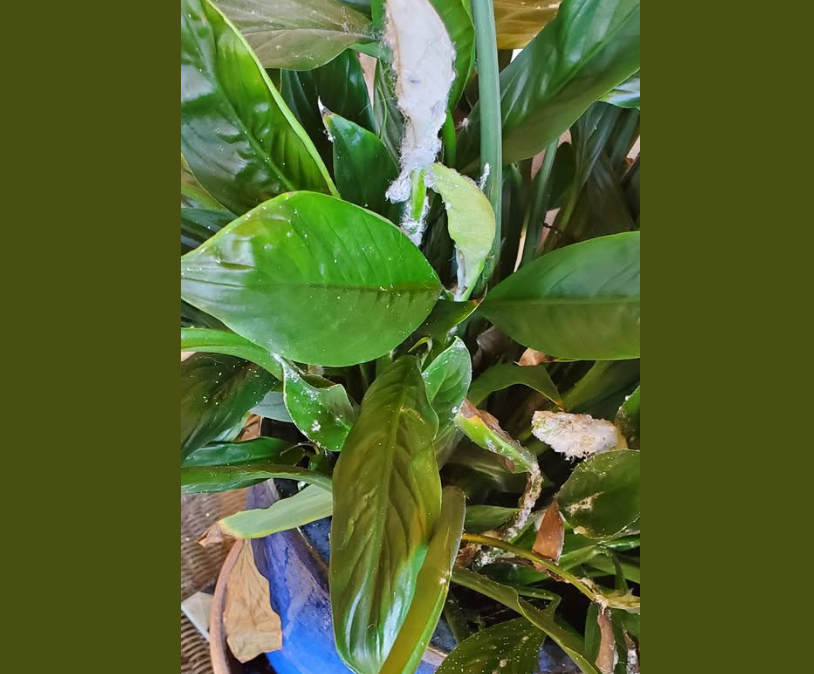
The first step in fixing the issue is recognizing what the white fuzz looks like. Typically, the fuzz appears as soft, cottony, or powdery patches on the leaves, stems, or around the soil surface. It may be fuzzy or woolly to the touch, or dry and powdery. Look closely at the affected areas:
- Are the patches fluffy or powdery?
- Are they concentrated on certain parts of the plant or spread evenly?
- Do they seem to move or fall off easily?
Common causes of white fuzz
Several different factors can lead to white fuzz on a Peace Lily:
- Pest infestations: Mealybugs and other soft-bodied pests excrete white, cotton-like waxy coverings that resemble fuzz.
- Fungal or mold growth: Fungal infections, such as powdery mildew or fuzzy mold, thrive in humid environments and appear as powdery, fuzzy patches.
- Dust buildup or mineral deposits: Sometimes, dust settling on the plant or mineral deposits from water can look like white fuzz but are harmless. Understanding these common causes will help you narrow down the root problem.
Section 2: Diagnosing the Exact Cause
Step-by-step process to determine the root of the problem
Accurate diagnosis is crucial for effective treatment. Follow these steps:
Cause 1: Mealybugs or pest infestation
- Signs: Small, cotton-like clusters usually found on the undersides of leaves, leaf joints, or stems.
- Smell: Sometimes, a faint musty or rotten smell accompanies pest infestations.
- Plant behavior: Stunted growth, yellowing leaves, sticky residue (honeydew), or sooty mold are indicators.
Cause 2: Fungal or mold growth
- Signs: White, powdery, or fuzzy patches on leaves, stems, or around the soil. Often more prominent in humid or poorly ventilated areas.
- Appearance: Fungal growth tends to be irregular, sometimes with a halo-like effect.
- Smell: A musty or moldy odor may be noticeable.
Cause 3: Dust accumulation or mineral deposits
- Signs: White, powdery coating that easily wipes off with a damp cloth.
- Appearance: Usually limited to the surface of leaves or soil.
- Other clues: The fuzz does not seem alive or fuzzy upon touch, and there’s no pest activity.
How to tell which cause it is
- Visual clues: Cotton-like clusters suggest pests; powdery patches suggest fungi.
- Smell: Musty smell hints at mold.
- Plant behavior: Overall health decline, stunted growth, or sticky residue indicate pests.
- Touch: Gently wipe a fuzzy patch—if it’s powdery and easily removed, likely dust or mineral deposits.
Section 3: Treatment Solutions
Once you’ve identified the cause, apply targeted remedies:
Immediate actions
- Manual removal: Gently wipe leaves with a damp cloth or soft brush to remove pests or fungal growth.
- Improve airflow: Increase air circulation around your plant by spacing it properly and opening windows or using fans.
- Reduce humidity: Avoid creating overly humid conditions, especially if mold is suspected.
Natural remedies
- Insecticidal soap: Spray a mixture of mild liquid soap and water on leaves to deter pests like mealybugs.
- Neem oil: An effective natural pesticide with antifungal properties; spray according to package instructions.
- Hydrogen peroxide solution: Mix one part hydrogen peroxide with four parts water. Spray on affected areas to eliminate fungi and pests.
Chemical options (if natural remedies are insufficient)
- Fungicides: Use a plant-safe fungicide for fungal infections, following label instructions.
- Pesticides: Opt for safe, indoor-plant-approved pesticides for pest eradication, and adhere to proper application guidelines.
Long-term treatment plan
- Regularly inspect your Peace Lily for early signs of pests or mold.
- Consistently clean leaves and soil surface.
- Adjust watering—avoid overwatering which promotes mold growth.
- Maintain proper humidity and airflow for your environment.
What to expect during recovery
With consistent care, your Peace Lily will gradually shed the white fuzz, and new healthy leaves will emerge. Patience is key — the plant will bounce back with gentle, persistent treatment.
Section 4: Prevention Tips
Prevention is better than cure. Follow these simple tips:
- Maintain proper humidity and watering routines: Water only when the top inch of soil feels dry, and avoid waterlogging.
- Regular cleaning: Wipe leaves weekly with a damp cloth to remove dust and prevent mold spores from settling.
- Ensure good airflow: Avoid stagnant air by placing your plant in a well-ventilated spot.
- Quarantine new plants: Isolate any new additions for at least two weeks, observing for pests or mold signs before placing them with your existing plants.
Conclusion
Recap of key points
- Properly identify the white fuzz—pests, mold, or dust.
- Diagnose accurately by observing visual clues and plant behavior.
- Use targeted treatments: manual removal, natural remedies, or safe chemical solutions.
- Implement preventative measures through regular cleaning, proper watering, and environmental management.
Encouragement
With attentive care, patience, and prompt action, your Peace Lily can recover from white fuzz and regain its lush, vibrant appearance. Remember, every healthy plant faces challenges—your consistent efforts make all the difference.
Next steps
Start diagnosing today—inspect your plant carefully, determine the cause, and apply the appropriate remedy. Keep a regular routine of cleaning and monitoring to ensure ongoing health and beauty.
FAQ
Q: How long until I see improvement after treatment?
A: Typically, you’ll notice reduced fuzz within a week of treatment, and new healthy growth should appear within a few weeks, depending on the severity of the issue and your plant’s overall health.
Q: Can white fuzz cause long-term damage to my Peace Lily?
A: If left untreated, pest infestations or mold can weaken your plant, leading to leaf loss or stunted growth. However, with prompt action and proper care, most Peace Lilies recover fully, and long-term damage can be avoided.
Q: Should I prune parts affected by the fuzz?
A: Yes, pruning heavily affected stems or leaves can help the plant focus its energy on healthy growth and prevent the spread of pests or mold. Use clean, sharp scissors and dispose of trimmed material responsibly.
Remember, caring for indoor plants requires patience and attentiveness. By understanding the causes of white fuzz and applying targeted solutions, your Peace Lily can thrive beautifully once again. Happy gardening!