Learn how to diagnose and fix soft leaves in your Pothos with practical care tips, ensuring healthy, thriving indoor plants. Easy solutions for worried plant parents.
Introduction
Noticing your Pothos's leaves feeling soft or limp? Don't worry—this is a common issue that many indoor plant enthusiasts encounter. Soft or drooping leaves can be alarming, but often, with a bit of observation and care adjustment, your plant can recover quickly. Your Pothos’s health depends largely on proper watering, humidity, and proper root conditions.
This guide will help you identify the causes of soft leaves, diagnose the root problem, and implement effective solutions to bring your Pothos back to vibrant, firm health. With patience and proper care, your plant can bounce back brighter than ever!
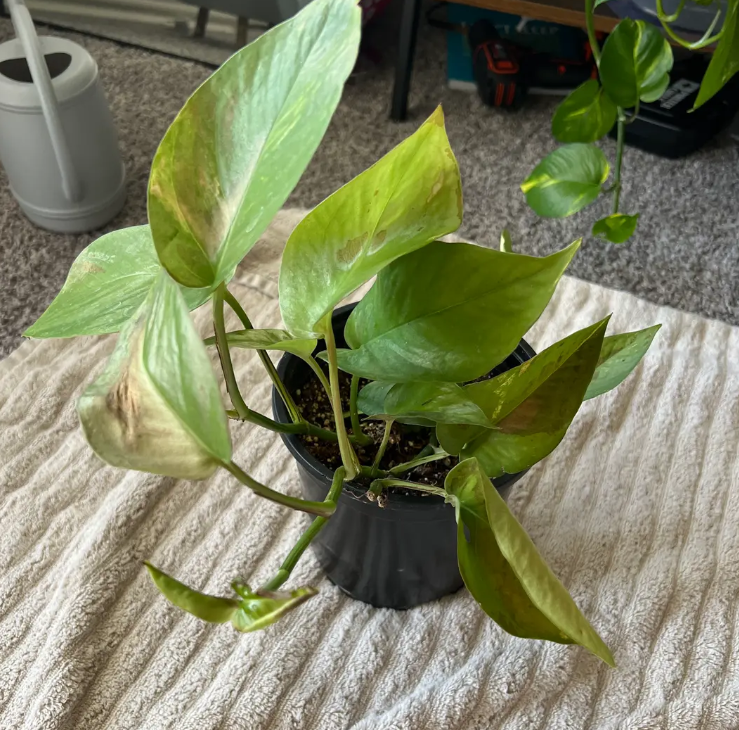
Section 1: Understanding the Problem
Soft or limp leaves in your Pothos are often signs that something is affecting its health. Recognizing these symptoms early is key to preventing long-term damage.
Visual Identification: How Soft Leaves Differ from Normal Ones
- Normal Leaves: Firm, crisp, with a healthy sheen, and resilient to gentle pressure.
- Soft or Limp Leaves: They feel noticeably mushy, droopy, or floppy, often sagging or curling. They might also appear discolored or show signs of decay if the issue persists.
Common Causes Overview
Several factors can cause your Pothos leaves to become soft, including:
- Overwatering or waterlogged soil: Excess water limits oxygen, leading to root rot.
- Inconsistent or underwatering: Dry soil causes dehydration and limp leaves.
- Low humidity or dry indoor air: Insufficient moisture in the air can dry out leaves.
- Root issues: Root rot or damage impairs water and nutrient uptake. Understanding these causes will help you target the right solution.
Section 2: Diagnosing the Exact Cause
Proper diagnosis involves observing your plant’s environment and condition to determine why your Pothos leaves are soft.
Cause 1: Overwatering and Waterlogged Soil
- Check the soil moisture: Insert your finger about 1-2 inches deep; if it's constantly wet, overwatering is likely.
- Look for root rot: Gently remove the plant from its pot to examine roots—black, mushy roots indicate rot.
Cause 2: Underwatering or Inconsistent Watering Habits
- Soil feels dry several inches below the surface.
- Leaves may be limp but feel dry and brittle rather than mushy.
Cause 3: Low Humidity or Dry Indoor Air
- Leaves may appear dull, with edges curling or turning brown.
- Dry, flaky patches can be a sign of low humidity stress.
How to Tell Which Cause Matches Your Plant's Condition
- If soil is wet and roots are rotting, overwatering is the culprit.
- If soil is dry and leaves are crispy, underwatering or irregular watering is probable.
- If the soil is adequately moist but leaves are limp and the air is dry, low humidity is likely the cause.
Section 3: Treatment Solutions
Once you've identified the cause, take targeted action to revive your Pothos.
Immediate Actions: Adjust Watering and Improve Drainage
- Overwatering: Let the soil dry out completely before watering again. Improve drainage by adding coarse material like perlite or gravel to the soil.
- Underwatering: Water thoroughly, ensuring excess drains out. Establish a regular watering schedule to prevent inconsistency.
- Root rot: Remove affected roots with sterile scissors, prune healthy roots, then repot in well-draining soil.
Long-term Care: Ensure Proper Conditions
- Use a fast-draining soil mix suitable for Pothos.
- Water only when the top inch of soil feels dry.
- Increase humidity by grouping plants, using humidifiers, or placing a tray of water nearby.
- Keep your plant away from direct heat sources and cold drafts, which can dry out leaves.
Monitoring During Recovery: Signs of Improvement
- Expect leaves to gradually firm up and regain their natural sheen.
- New growth should appear once conditions stabilize.
- Prune any severely damaged or dead leaves to direct energy to healthy parts.
- Continue observing moisture levels and environmental conditions regularly.
Section 4: Prevention Tips
Prevention is always better than cure. Adopt good practices for ongoing Pothos health:
Maintain Consistent Watering Habits
- Establish a watering routine based on your home's humidity and temperature.
- Use your finger test or a moisture meter for precise watering.
Improve Indoor Humidity
- Use humidifiers, especially during dry winter months.
- Grouping plants together creates a microenvironment with higher humidity.
- Place a shallow tray of water with pebbles underneath your plant.
Use Well-Draining Soil and Pots with Drainage Holes
- Choose pots with drainage holes to prevent water accumulation.
- Use a high-quality, well-draining potting mix suitable for houseplants.
Regularly Check Roots and Plant Health
- Periodically remove the top layer of soil to inspect roots.
- Keep an eye out for signs of pests or disease.
Conclusion
Soft leaves in Pothos are often a sign of underlying watering or environmental issues, but with attentive care, they are usually easily fixable. Recognizing early signs, diagnosing the root cause, and adjusting your care routine can make all the difference. With patience and proper nurturing, your Pothos will regain its lush, firm foliage, revitalizing your indoor space with its vibrant charm. Remember, caring for plants is a journey—sixty percent observation, forty percent love! Next steps: implement the recommended care adjustments, monitor your plant’s response, and enjoy the satisfaction of seeing your Pothos flourish again!
FAQs
Q: How long until I see improvement after fixing watering issues?
A: Usually, you may notice signs of recovery within a couple of weeks. New, firm leaves are a good indicator. Keep observing small changes, and be patient—recovery times can vary depending on the severity of the problem and the plant's overall health.
Q: Can my Pothos fully recover from soft leaves, or is pruning necessary?
A: Many soft or limp leaves can recover if the cause is addressed promptly. However, severely damaged or dead leaves often won’t regain firmness and should be pruned to encourage healthy new growth and prevent disease.
Q: Should I repot or prune damaged roots or leaves during recovery?
A: Yes. If root rot is present, carefully remove and prune affected roots and repot in fresh, well-draining soil. For damaged leaves that are brown or mushy, prune at the base of the stem to promote healthy regrowth.
Taking proactive steps and understanding your Pothos’s needs will keep your indoor jungle thriving. Happy gardening!