Noticing your Philodendron's leaves curling? Don't worry, it's a common issue that can be fixed!
As a passionate indoor plant enthusiast, it’s disheartening to see your leafy friend affected. Curling leaves often signal that something’s off with your plant's care or environment, but the good news is that with some simple diagnostics and adjustments, your Philodendron can bounce back healthy and lush again. This guide will help you identify the causes of curling leaves, diagnose the problem accurately, and offer practical solutions to restore your plant’s vitality.
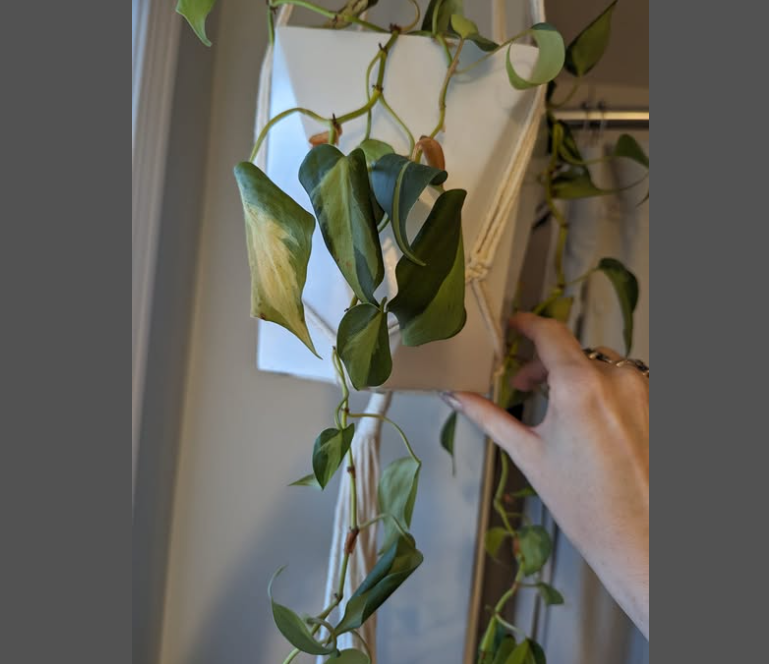
Understanding the Problem
Visual Identification of Curling Leaves
First, let's get familiar with what curling leaves look like. Leaves of a healthy Philodendron should be smooth, vibrant, and firm. When they start curling, you might notice:
- Inward curling (cupping): Edges fold towards the center, giving a boat-like appearance.
- Outward curling (ridging): Edges lift or curl away from the stem.
- Crisp or limp texture: Curling can accompany dryness and brittleness or limp, waterlogged softness.
- Color changes: Yellowing or browning may also be present with certain causes.
Common Causes Overview
Leaves can curl due to several reasons, often related to environmental stress, watering issues, nutrient deficiencies, or pests. Here's a brief overview:
- Overwatering: Leads to root rot, affecting nutrient uptake.
- Underwatering: Causes dehydration, leading leaves to curl and become crispy.
- Environmental stress: Excessive direct sunlight, cold drafts, or low humidity can stress the plant.
- Pests: Insects like spider mites and aphids extract sap, resulting in curling.
- Nutrient deficiencies: Lack of essential nutrients, especially potassium or magnesium, can cause leaf deformities.
Diagnosing the Exact Cause
Follow These Steps to Pinpoint the Issue
Careful observation and simple tests can reveal what’s troubling your Philodendron.
Cause 1: Underwatering or Inconsistent Watering
- Look for dry, brittle leaves that curl inward, indicating dehydration.
- Check if the soil feels dry several inches below the surface.
- Does the plant seem wilted or droopy? That’s a sign of underwatering.
Cause 2: Overwatering or Poor Drainage
- Soft, yellowing leaves and a soggy aroma from soil suggest overwatering.
- Roots may look brown or black and feel mushy—classic root rot signs.
- Soil that stays constantly wet is problematic.
Cause 3: Environmental Stress
- If your plant is placed in direct sunlight, especially during peak hours, it can cause leaf curl and scorch.
- Cold drafts or temperatures below 55°F (13°C) may stress the plant, leading to curling leaves.
- Low humidity, common in dry indoor environments, can cause leaf edges to curl inward.
How to Tell Which One It Is
- Watering habits: Are you watering too often or too little?
- Soil moisture: Use your finger or a moisture meter to check.
- Environment: Observe where the plant is located and recent changes like drafts or sunlight exposure.
Treatment Solutions
Immediate Actions
- Adjust watering: If dry, water thoroughly; if soggy, let the soil dry out.
- Improve drainage: Ensure pots have drainage holes, and consider repotting into well-draining soil like Aroid Mix.
- Relocate the plant: Move your Philodendron away from direct sunlight or drafts.
Long-Term Care
- Establish a consistent watering schedule—allow the top inch of soil to dry out before watering again.
- Increase humidity with a humidifier or place a pebble tray filled with water beneath the pot.
- Provide bright, indirect light—avoid harsh direct sun that can scorch leaves.
- Use a balanced, water-soluble fertilizer every 4–6 weeks during the growing season to prevent deficiencies.
Addressing Pests and Nutrients
- For pests like spider mites or aphids, spray with insecticidal soap or neem oil.
- If nutritional deficiencies are suspected, feed your Philodendron with a plant fertilizer rich in potassium and magnesium.
Recovery Expectations
- You should notice leaf curl easing within days to a week after making care adjustments.
- New growth will typically be healthy and uncurled, indicating recovery.
Prevention Tips
Maintaining Proper Care Routine
- Water consistently, avoiding both overwatering and underwatering.
- Fertilize regularly during the active growing season.
- Use well-draining soil and adequate-sized pots to prevent water retention.
Monitoring Environmental Factors
- Keep your plant in an environment with temperatures between 65–80°F (18–27°C).
- Avoid cold drafts and sudden temperature changes.
- Maintain humidity levels around 50–60%, especially during winter months.
Additional Tips
- Regularly inspect your plant for pests.
- Observe how your plant responds to environmental changes and adjust accordingly.
- Prune any badly curled or damaged leaves to redirect energy towards healthy new growth.
Conclusion
Recap: Proper watering, stable environmental conditions, and vigilant care are key to preventing curling leaves on your Philodendron. Remember, most causes of leaf curling are easily fixable with mindful adjustments, and your plant can recover beautifully.
Encouragement: Don’t be discouraged—every plant owner faces issues at some point. With patience and attentive care, your Philodendron will regain its lush, vibrant leaves, becoming a stunning centerpiece in your home.
Next steps: Implement the suggested care tips, monitor your plant’s response, and enjoy the rewarding process of nurturing a thriving indoor jungle.
FAQ
Q: How long until I see improvement after correcting care?
A: Typically, you’ll notice the leaves starting to straighten and new growth appearing within a week or two of adjusting watering, light, and humidity. Patience is key—monitor your plant closely and make small, consistent changes.
Q: Will my Philodendron fully recover from curled leaves?
A: Most likely, yes. Once the underlying cause is addressed, new growth should be healthy and straight, and the older curled leaves might not recover fully but will often improve over time. Sometimes, pruning damaged leaves can help redirect energy toward healthy growth.
Q: Should I prune the curled or damaged leaves?
A: Yes, pruning severely damaged or curled leaves can help your plant allocate resources more effectively and encourage new, healthy growth. Use clean, sharp scissors or pruning shears, and avoid removing more than a third of the plant at once.
Keeping your Philodendron happy and healthy is within your reach! With attentive care, you'll soon see those beautiful, luscious leaves unfurling perfectly again. Happy gardening!