Discover why your Philodendron develops brown tips and learn effective troubleshooting, treatment, and prevention tips to keep your plant healthy.
Introduction
Noticing brown tips on your beloved Philodendron can be quite unsettling. You might wonder if your plant is sick, dying, or just unhappy. Rest assured, you're not alone—many indoor plant enthusiasts face this common issue. The good news is that brown leaf tips are often a symptom of minor care adjustments rather than a sign of severe health problems.
In this article, we'll explore the common causes behind brown tips on Philodendron leaves, how to diagnose the specific issue affecting your plant, practical solutions to restore its health, and simple tips to prevent future problems. With a little patience and attentive care, your Philodendron can thrive and regain its lush, vibrant appearance.
Section 1: Understanding the Problem
Visual Identification of Brown Tips on Philodendron Leaves
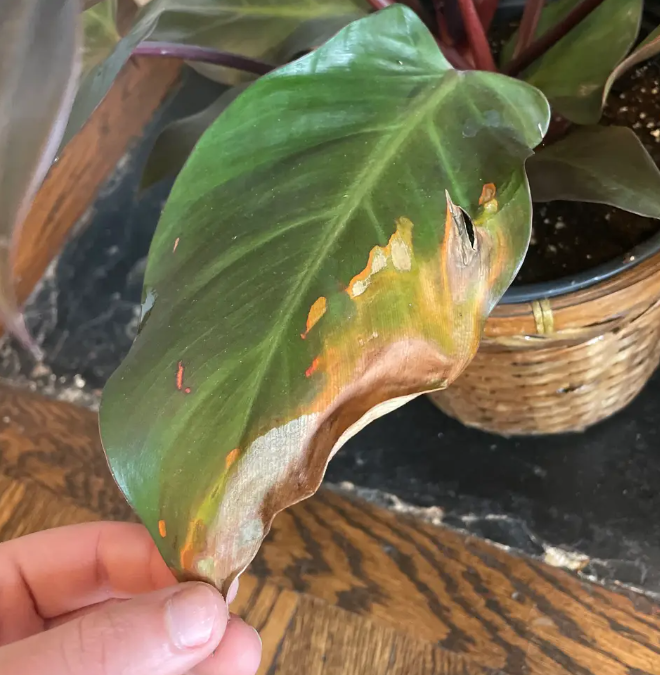
Brown tips on Philodendron leaves typically appear as dry, crispy, or darkened edges at the end of the leaf. They may range from small, pinpoint spots to larger, more noticeable areas. Sometimes, the tips are completely brown and brittle, while the rest of the leaf remains healthy-looking.
Common Causes Overview
Several factors can cause brown tips on your Philodendron, including:
- Overwatering or underwatering
- Low humidity or dry indoor air
- Salt buildup from fertilizers
- Inconsistent watering habits
- Environmental stressors like drafts or direct sunlight Understanding these causes is crucial for effective troubleshooting.
Section 2: Diagnosing the Exact Cause
Step-by-Step Process to Pinpoint the Cause
To effectively treat your Philodendron, identify what's causing the brown tips by considering these common scenarios:
Cause 1: Low Humidity or Dry Indoor Air
Philodendrons thrive in humid environments. If your home has dry air—especially during winter or in heated rooms—the leaf tips may dry out and turn brown. How to tell:
- The tips are dry and crispy, often near heat sources or in rooms with low humidity.
- The plant's overall health seems unaffected, but the edges are browning.
Cause 2: Over-Fertilization Leading to Salt Buildup
Excessive fertilizer can cause salts to accumulate in the soil, which draws moisture from the roots and damages leaf tissues. How to tell:
- Brown tips appear suddenly after fertilization.
- The soil feels salty or crusty on the surface.
Cause 3: Improper Watering—Too Much or Too Little
Inconsistent watering causes stress, leading to brown tips. How to tell:
- Overwatering symptoms: soggy soil, yellowing leaves, root rot.
- Underwatering symptoms: dry soil, wilting, crispy leaf edges.
How to tell which cause applies to your plant?
Check soil moisture with your finger. If it's consistently wet, overwatering is likely the culprit. If it's dry for extended periods, underwatering may be responsible.
Section 3: Treatment Solutions
Immediate Actions
Based on your diagnosis, implement targeted fixes:
- Adjust watering habits:
- Water only when the top inch of soil feels dry.
- Ensure proper drainage to prevent waterlogging.
- Increase humidity:
- Use a humidifier or place a tray with pebbles and water beneath the plant.
- Group your plants together to create a microenvironment with higher humidity.
- Leach the soil to remove excess salts:
- Water thoroughly with distilled or rainwater until runoff drains from the bottom.
- Repeat periodically if you suspect salt buildup.
Long-term Care
- Fertilization:
- Use a balanced, water-soluble fertilizer diluted to half strength every 4-6 weeks during the growing season.
- Avoid over-fertilizing, which can lead to salt accumulation.
- Consistent watering schedule:
- Stick to a routine based on your plant’s needs and environmental conditions.
- Humidity management:
- Maintain humidity levels between 40-60% for optimal Philodendron health.
Monitoring Recovery
Observe your plant for signs of improvement, such as new healthy growth and reduction in brown tips. If some tips remain brown, prune them with clean scissors to encourage healthy new growth.
Section 4: Prevention Tips
Maintain a Healthy Care Routine
- Regular watering:
- Check soil moisture regularly and water only when necessary.
- Proper fertilization:
- Use appropriate fertilizers sparingly, avoiding excess.
Environmental Factors
- Increase humidity:
- Use humidifiers, pebble trays, or place your plant in more humid areas like bathrooms or kitchens.
- Avoid drafts and direct sunlight:
- Keep your Philodendron in bright, indirect light and away from cold drafts or direct sun rays.
Salt Buildup Prevention
- Periodic soil leaching:
- Water deeply every few months to flush out accumulated salts.
- Use balanced fertilizers:
- Choose fertilizers suited for indoor plants and avoid over-fertilizing.
Conclusion
Brown tips on your Philodendron are often a sign of environmental stress or care issues that can be easily corrected. By understanding the root cause—whether it's low humidity, improper watering, or salt buildup—you can take targeted steps to restore your plant’s health. Remember, patience and attentive care are key. With a few adjustments, your Philodendron can recover its lush, vibrant foliage and continue to brighten up your indoor space. Keep observing, adjusting, and caring—your green companion will thank you!
FAQ
Q: How long until I see improvement after fixing the issue?
A: Typically, you can expect to see signs of recovery within a few weeks. New growth should be healthier, and the brown tips may stop spreading. For existing damaged tips, pruning them off will help the plant focus energy on new, healthy leaves.
Q: Can brown tips fully recover, or should I prune them off?
A: Brown tips are usually irreversible once they turn crispy or dark. It's best to prune off the damaged parts with clean, sharp scissors to promote healthy new growth and improve the plant’s appearance.
Q: How often should I check and adjust humidity levels for my Philodendron?
A: Check your indoor humidity regularly, especially during dry seasons. Using a hygrometer, aim to keep humidity between 40-60%. Adjust by using humidifiers or other methods as needed, particularly in winter months or heated environments.
By understanding and addressing the causes of brown tips, you’re well on your way to nurturing a happy, healthy Philodendron. Happy gardening!