Noticing your Calathea's leaves curling can be quite concerning, especially when you’re eager to see your lush, vibrant plant thrive indoors. But don’t worry—leaf curling is a common issue that many plant parents face, and often, it's a signal that something needs adjusting in your plant’s environment or care routine.
This article will dive into the common causes behind curling leaves, guide you through diagnostic steps to pinpoint the exact issue, and provide practical solutions to bring your Calathea back to health. With patience and proper care, your Calathea can recover and display its beautiful, patterned leaves once again.
Understanding the Problem
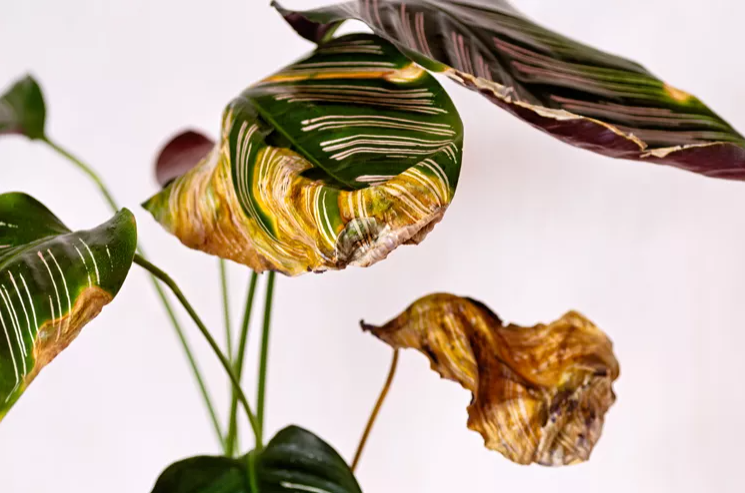
Visual identification of curling leaves: tightly rolled or drooping edges
Calathea leaves can curl in various ways—tight rolls, drooping edges, or a combination of both. Typically, healthy Calatheas have broad, flat leaves with vibrant patterns. When they start curling, it’s often a sign that the plant is stressed. Common signs include:
- Leaves that are tightly rolled inward from the edges.
- Droopy or limp leaves that appear wilted.
- Edges that curl upward or downward, sometimes revealing browning or dry patches.
Common causes overview: water stress, environmental conditions, pests, or diseases
Several factors can cause leaf curling in Calathea plants, including:
- Water Stress: Either underwatering or overwatering.
- Environmental Conditions: Low humidity, dry air, or extreme temperature fluctuations.
- Pests: Spider mites, thrips, or other tiny pests that damage leaves.
- Diseases: Fungal or bacterial infections, though less common, can also lead to leaf deformities. Understanding these common causes sets the foundation for accurate diagnosis and effective treatment.
Diagnosing the Exact Cause
Follow a step-by-step process to determine the root cause of leaf curling in your Calathea.
Cause 1: Underwatering or inconsistent watering — leaves become floppy and curl to conserve moisture
If the soil feels dry to the touch and the leaves are limp or curling inward, your Calathea might be underwatered. The plant responds by curling its leaves to reduce moisture loss.
Cause 2: Low humidity or dry indoor air — leaves curl to reduce moisture loss
Calatheas are native to humid tropical forests and thrive in environments with high humidity. When indoor air is dry—especially in winter—they often curl their leaves to minimize water evaporation.
Cause 3: Pest infestation, such as spider mites or thrips — damage causes leaf malformation and curling
Tiny pests puncture plant tissues, causing deformation, discoloration, or curling. Look closely for webbing, small moving specks, or speckled leaves.
How to tell which cause applies to your plant — signs to look for and diagnostic tips
- Watering issues: Check soil moisture. It should be slightly moist but not soggy or bone dry.
- Dry air problems: Observe the overall humidity level. If the air feels very dry, humidity is likely the culprit.
- Pests: Examine the undersides of leaves, stems, and soil surface for webs, tiny insects, or specks. Use a magnifying glass if needed.
- Disease: Look for discolored, mushy, or spotted leaves, especially near the curling areas. By carefully observing these signs, you can identify the cause and proceed with targeted solutions.
Treatment Solutions
Implement targeted solutions based on the diagnosed cause.
Immediate actions: adjust watering schedule, increase humidity via humidifier or misting
- If underwatered, water your Calathea thoroughly until excess drains out, then allow the soil to dry slightly between watering.
- For dry air, increase humidity by:
- Using a humidifier in the room.
- Misting the leaves regularly.
- Placing the pot on a pebble tray filled with water (but ensure the pot isn’t sitting directly in water).
Pest control: use insecticidal soap or neem oil for pest infestations
- Mix neem oil or a gentle insecticidal soap following the manufacturer's instructions.
- Spray affected leaves thoroughly, especially undersides.
- Repeat every few days until pests are eradicated.
Long-term care: optimize light conditions, replace soil if needed, and ensure consistent watering
- Provide bright, indirect light—avoid direct sunlight that can scorch leaves.
- Use well-draining, aerated soil to prevent overwatering issues.
- Maintain a consistent watering schedule to avoid stress.
Monitoring recovery: look for leaf flattening and new healthy growth
- Healthy Calathea leaves should gradually unroll and become firm.
- Watch for new growth, which indicates recovery.
Prevention Tips
Tips to avoid leaf curling issues in the future.
- Maintain proper watering routine: Keep the soil consistently moist but not waterlogged.
- Increase humidity: Use humidifiers, pebble trays, or plant groupings to boost ambient moisture.
- Regular inspection for pests: Check your plant weekly, especially on the undersides of leaves, and treat pests early.
- Provide appropriate lighting and temperature: Bright, indirect light is ideal. Keep away from drafts, heaters, or cooling vents. Consistent care and vigilant observation will prevent most leaf curling issues and keep your Calathea healthy and vibrant.
Conclusion
Proper diagnosis of leaf curling in your Calathea is key to effective treatment. Whether it's water stress, dry air, pests, or other factors, making targeted adjustments can restore your plant's health. Remember, most leaf curling problems are reversible with attentive care. Most importantly, don't be discouraged—most issues can be fixed! Implement the recommended care practices, monitor your plant closely, and if necessary, seek advice from a plant specialist. Your Calathea is resilient and will reward you with its stunning, decorative leaves once again.
FAQ
Q: How long until I see improvement after fixing watering and humidity?
A: Typically, you should notice signs of recovery within a week or two. New leaves may begin to unroll, and existing curled leaves may straighten out as the plant regains its strength. Consistent care is essential during this period.
Q: Can my Calathea fully recover from leaf curling?
A: Yes, in most cases, Calatheas can fully recover if the underlying cause is addressed early. Curling leaves are often a reversible response to stress, and with proper adjustments, your plant can regain its health and beauty.
Q: Should I prune curled leaves or leave them for the plant to recover naturally?
A: It's best to remove severely curled or damaged leaves to improve the plant’s appearance and prevent disease. However, if the leaves are only slightly curled and the plant shows signs of recovery, you can leave them to facilitate natural healing.
Caring for a Calathea requires attention to its environment and habits, but with patience and proper techniques, you’ll be able to keep your indoor jungle lush, healthy, and stunning. Don’t hesitate to experiment with your plant’s care—each Calathea has its unique needs and personality!