Are your Jade Plant's leaves sagging or drooping?
This common issue can be worrying for plant lovers, especially if you've invested time and care into your indoor garden. But the good news is, drooping leaves are often signs of fixable problems, and with a bit of troubleshooting, you can bring your Jade Plant back to vibrant health.
In this article, we’ll explore why Jade Plants develop drooping leaves, how to diagnose the root causes accurately, and what practical solutions you can implement to revive your beloved succulent.
With proper care and attention, your Jade can bounce back and continue to thrive indoors.
Understanding the Problem
Drooping or wilted leaves on a Jade Plant are visually noticeable symptoms that something isn't quite right. Recognizing these signs early can help you address issues before they worsen.
Visual Identification of Drooping or Wilted Leaves on Jade Plants
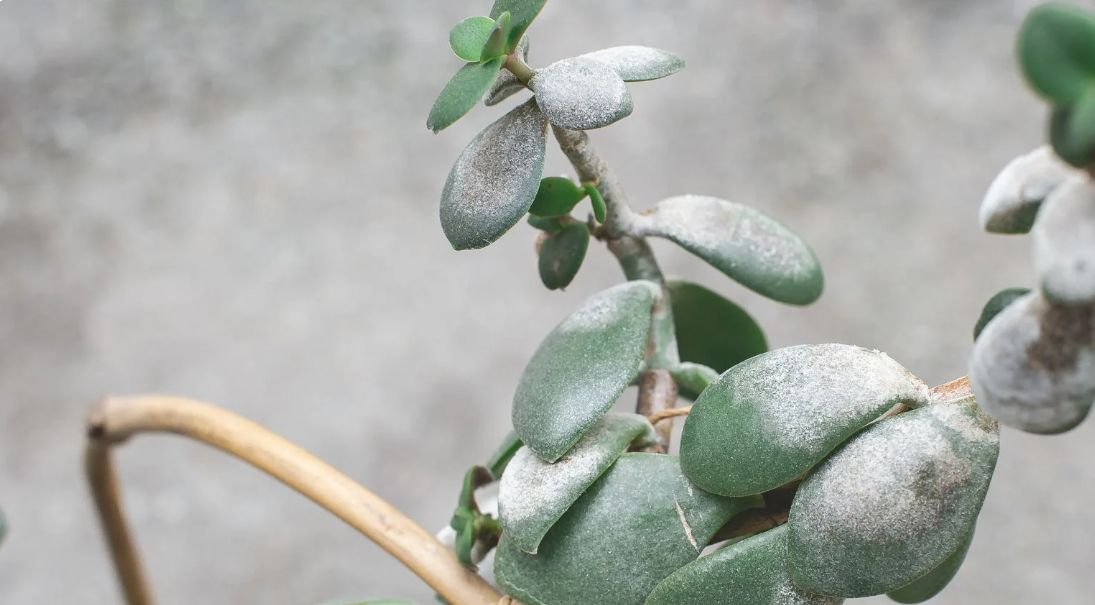
Typically, healthy Jade leaves are plump, firm, and upright. When they start to droop, hang loosely, or appear limp, it indicates stress or underlying health issues. You might notice leaves that are turned downward or even slightly translucent, sometimes accompanied by color changes like yellowing or browning.
Common Reasons Why Jade Plants Develop Drooping Leaves
The most frequent causes include:
- Watering Problems: Both overwatering and underwatering can cause leaves to wilt.
- Root Issues: Root rot from soggy soil or damaged roots impair plant support.
- Environmental Stresses: Poor lighting, drafts, or temperature fluctuations can stress the plant.
Understanding these causes helps guide your diagnosis and treatment steps.
Diagnosing the Exact Cause
Accurate diagnosis is crucial for effective treatment. Follow these steps to identify what's causing your Jade Plant’s drooping leaves.
Cause 1: Overwatering Leading to Root Rot and Waterlogged Soil
Signs:
- Soil feels consistently moist or soggy even days after watering.
- Roots may be dark, mushy, and emit a foul smell upon inspection.
What happens:
Overwatering deprives roots of oxygen, leading to root rot. The plant's support system weakens, causing leaves to droop.
Cause 2: Underwatering Causing Dehydration and Wilting
Signs:
- Soil appears dry several inches below the surface.
- Leaves are shriveled, softer, and may look slightly wrinkled.
What happens:
Lack of water diminishes the plant’s turgor pressure, leading to drooping and shriveled leaves.
Cause 3: Environmental Stress such as Incorrect Light, Drafts, or Temperature Fluctuations
Signs:
- Leaves droop despite proper watering.
- Positioning near drafts or in direct, harsh sunlight causes stress.
What happens:
Unfavorable conditions make the plant conserve resources, resulting in drooping as a stress response.
How to tell which cause applies to your plant
- Check soil moisture: stick your finger about 1-2 inches into the soil. If it's wet, overwatering may be the issue; if dry, underwatering.
- Inspect roots: Carefully remove the plant from its pot. Healthy roots are white and firm; brown, mushy roots indicate rot.
- Assess environment: Is your Jade placed in direct sun or near cold drafts? Adjust accordingly.
Treatment Solutions
Once you've pinpointed the cause, take targeted action to revive your Jade Plant.
Immediate Actions: Adjust Watering Habits and Environmental Conditions
- Overwatering:
- Remove the plant from excess water.
- Let the soil dry out completely before watering again.
- Temporarily move the plant to a shaded, draft-free location.
- Underwatering:
- Water thoroughly, ensuring excess drains completely.
- Maintain a consistent watering schedule moving forward.
- Environmental stress:
- Adjust placement away from drafts or direct scorching sunlight.
- Use curtains or filters to diffuse intense light.
Long-term Treatment: Repotting and Soil Improvement
- Repot if necessary:
- If root rot is confirmed, prune away affected roots with sterilized tools.
- Repot into well-draining cactus or succulent soil mix.
- Improve drainage:
- Ensure the pot has drainage holes.
- Use gravel, perlite, or sand in the soil to enhance water flow.
- Optimal lighting:
- Jade Plants prefer bright, indirect sunlight—at least 4-6 hours daily.
Monitoring Recovery
- Regularly check soil moisture.
- Observe new growth or return of firm, upright leaves.
- Be patient—recovery can take several weeks.
Prevention Tips
Prevention is better than cure. Adopt these routine care practices to keep your Jade Plant healthy and avoid future drooping issues.
Consistent Watering Schedule and Proper Soil Moisture
- Water only when the top 1-2 inches of soil are dry.
- Use a moisture meter if unsure.
- During winter, reduce watering frequency.
Ensuring Adequate Light Without Direct Harsh Sun
- Place your Jade in a bright spot withFiltered sunlight.
- Use sheer curtains if direct sun causes stress.
- Consider supplemental grow lights in low-light conditions.
Maintaining Stable Temperature and Humidity, Avoiding Drafts
- Keep the plant away from heaters, air conditioners, or cold drafts.
- Maintain indoor temperatures between 65-75°F (18-24°C).
- Avoid sudden temperature swings.
Regular Inspection for Early Signs of Issues
- Check leaves and soil weekly.
- Look for early signs of pests, discoloration, or wilting patterns.
- Address problems promptly to prevent escalation.
Conclusion
Drooping leaves on a Jade Plant are common yet manageable symptoms of watering issues, environmental stresses, or root problems. The key to revival is accurate diagnosis—checking soil moisture, inspecting roots, and evaluating environmental conditions.
Don’t worry—by following proper watering routines, optimizing light and temperature, and performing timely repotting if needed, you can help your Jade Plant bounce back and thrive indoors.
Begin by assessing your plant’s current care routine, then make the necessary adjustments. With patience and consistent effort, your Jade Plant will regain its health and continue to add beauty to your home.
FAQs
Q: How long until I see my Jade Plant recover after fixing watering issues?
A: Recovery time varies, but typically, you should see signs of improvement within 2-4 weeks. New, firm leaves, and stable growth are good indicators. Patience is key, as overwatering or underwatering may have caused root stress that takes time to heal.
Q: Can drooping leaves be rehydrated if dehydration was the cause?
A: Yes, if the plant was dehydrated, a thorough watering can help rehydrate the leaves and support recovery. Ensure watering is deep and soil is allowed to dry between watering sessions to prevent future dehydration.
Q: Should I prune or remove severely drooping or damaged leaves?
A: Yes, pruning severely drooping or yellowed leaves can help the plant focus energy on healthy growth. Use sterilized scissors and cut close to the base, but avoid removing healthy, firm leaves unnecessarily. This also improves the plant’s appearance and overall health.
By understanding the causes and implementing the right care strategies, you'll keep your Jade Plant healthy, resilient, and a beautiful part of your indoor garden for years to come.