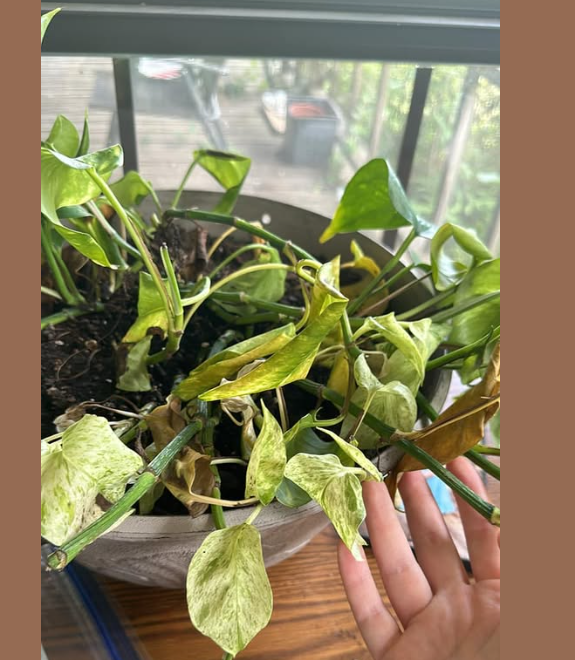
Noticing your Pothos's health decline can be worrying, especially when you see symptoms like wilting, yellowing leaves, or stunted growth. Among the many issues indoor plants face, root rot is a common and often alarming problem that can threaten your plant’s life. If you're asking yourself, "Why is my Pothos having root rot?", don’t worry—help is at hand. With a little understanding and prompt action, you can save your beloved plant. This article will guide you through understanding root rot, diagnosing it correctly, treating it effectively, and most importantly, preventing it from happening again. Good news—root rot is treatable when caught early, and your Pothos can recover with the right care.
Section 1: Understanding the Problem
Visual Identification of Root Rot
Root rot in Pothos is primarily identified through the roots rather than the visible parts of the plant above soil. Healthy roots are typically white or light tan, firm, and moist. Conversely, root rot causes roots to turn black, brown, or gray, becoming soft, mushy, and sometimes slimy to the touch. Look carefully at the roots by gently removing the plant from its pot. If you notice those black, slimy, or soft parts, it’s a clear sign your Pothos is suffering from root rot.
Common Causes of Root Rot
Root rot in Pothos usually results from conditions that create overly wet soil or poor aeration. These include:
- Overwatering: Excess water in the soil leads to oxygen deprivation for roots, fostering fungal growth.
- Poor Drainage: Using pots without drainage holes or heavy, compacted soil traps moisture.
- Low Oxygen Levels: Soil that retains too much moisture reduces oxygen circulation, enabling harmful fungi to thrive. Understanding these causes is foundational to diagnosing and fixing the problem effectively.
Section 2: Diagnosing the Exact Cause
Step-by-step Diagnosis
To determine why your Pothos has root rot, follow these steps:
Cause 1: Excessive Watering
- Check your watering routine: Are you watering frequently without allowing soil to dry out?
- Soil moisture level: Stick a finger 1-2 inches into the soil—if it's consistently wet, overwatering is likely the cause.
Cause 2: Improper Pot Drainage
- Inspect your pot: Does it have drainage holes? Are they blocked?
- Pot choice: Heavy or non-porous containers (like ceramic without drainage) can trap water, leading to waterlogged soil.
Cause 3: Soil with Poor Aeration or Retention
- Soil type: Dense, clay-based soils retain water longer and restrict airflow around roots.
- Remedy: Use a well-draining soil mix designed for houseplants.
How to Tell Which Cause Applies to You
If your watering habits are frequent and soil stays wet for days, overwatering is likely the main issue. If your pot lacks drainage holes or the soil feels dense and soggy even with moderate watering, you need to improve drainage and soil quality.
Section 3: Treatment Solutions
Immediate Actions: Save Your Pothos
- Remove the plant from its pot, gently rinse the roots with room temperature water.
- Inspect and prune affected roots: Cut away all black, mushy, or slimy roots using sterilized pruning shears.
- Disinfect your tools: To prevent spreading infection, sterilize scissors or pruning tools with rubbing alcohol or boiling water.
Long-term Treatment
- Repot in fresh, well-draining soil: Choose a pot with drainage holes and use a mix with perlite or coarse sand.
- Improve drainage: Cover the drainage holes with small stones or mesh to prevent soil blockage.
- Adjust watering habits: Water only when the top inch of soil feels dry, avoiding waterlogged soil.
Monitoring Recovery
Keep an eye on the plant for signs of improvement:
- New, healthy root growth
- Lush green, firm leaves
- Stable soil moisture levels Rescue efforts may take weeks, but patience and attentive care will pay off.
Section 4: Prevention Tips
Preventing root rot in your Pothos is key to maintaining a healthy, thriving indoor plant. Follow these tips:
- Establish a Proper Watering Routine: Water deeply but infrequently. Bottom watering or waiting until the soil dries out between waterings helps prevent excess moisture.
- Use Pots with Drainage Holes: Ensure your container allows excess water to escape. Well-draining soil mixes are essential.
- Monitor Environmental Factors: Keep humidity levels moderate; overly humid environments increase the risk of fungal growth. Also, avoid placing your Pothos in low-light or overly damp areas.
- Regular Inspection: Check roots and soil periodically. Early detection of slight wilting or yellowing can help you act before root rot worsens.
Conclusion
Recap: To address "Why is my Pothos having root rot?", start by inspecting the roots, identify whether overwatering, poor drainage, or soil issues are involved, then follow appropriate treatment steps such as pruning affected roots, repotting in fresh soil, and adjusting your watering routine. Remember, your Pothos has a good chance of recovery when caught early, and with consistent preventive care, you can keep it happy and healthy. If you're unsure about diagnosing or treating root rot, don’t hesitate to seek advice from local plant experts or online plant communities. Next Steps: Begin by gently removing your Pothos from its pot to examine the roots. Follow the outlined treatment steps to restore its health and adopt the prevention tips to avoid future problems.
FAQ
Q: How long until I see improvement after treatment?
A: Typically, you’ll start noticing signs of recovery within a few weeks. Look for new root growth, healthier foliage, and reduced wilting. Patience is key, as root regeneration takes time.
Q: Will my Pothos fully recover from root rot?
A: Yes, if the root rot is caught early and proper care is taken, your Pothos can fully recover. The new roots will replace the damaged ones, restoring the plant’s vitality.
Q: Should I prune or cut away all the affected roots?
A: Yes, prune all black or mushy roots using sterilized scissors to prevent spread. Be careful not to cut healthy roots, but remove all visibly infected tissue for best results.
Taking proactive steps now can save your Pothos from further harm and set it on the path to vibrant health. Happy gardening!