Quick Summary: Pale or yellowing leaves on your Monstera deliciosa can be caused by various issues like inadequate light, improper watering, or nutrient deficiencies. Fortunately, with simple diagnosis and care adjustments, you can restore your plant’s vibrant, lush foliage and keep it thriving.
Introduction
Noticing your Monstera deliciosa’s leaves turning pale or yellow can be distressing—especially since these lush, dramatic leaves are the star of your plant collection. It’s natural to worry: Is my plant unhealthy? Did I do something wrong? The good news is, this common problem often has straightforward solutions. Your Monstera is resilient, and a few tweaks to its environment and care routine can bring back its vibrant green leaves. In this guide, we’ll explore why your Monstera’s leaves may turn pale, how to accurately diagnose the root cause, and step-by-step fixes you can implement today. Whether it’s a matter of light, watering habits, or soil nutrients, I’ll help you troubleshoot confidently—so your plant can bounce back quickly and beautifully. Remember, every healthy plant sometimes needs a little TLC. With patience and proper care, your Monstera will regain its lush, thriving look in no time.
Section 1: Understanding the Problem
Recognizing pale or yellow foliage is the first step toward helping your Monstera deliciosa. These symptoms usually indicate an underlying issue that, if addressed early, can be corrected.
Visual Identification
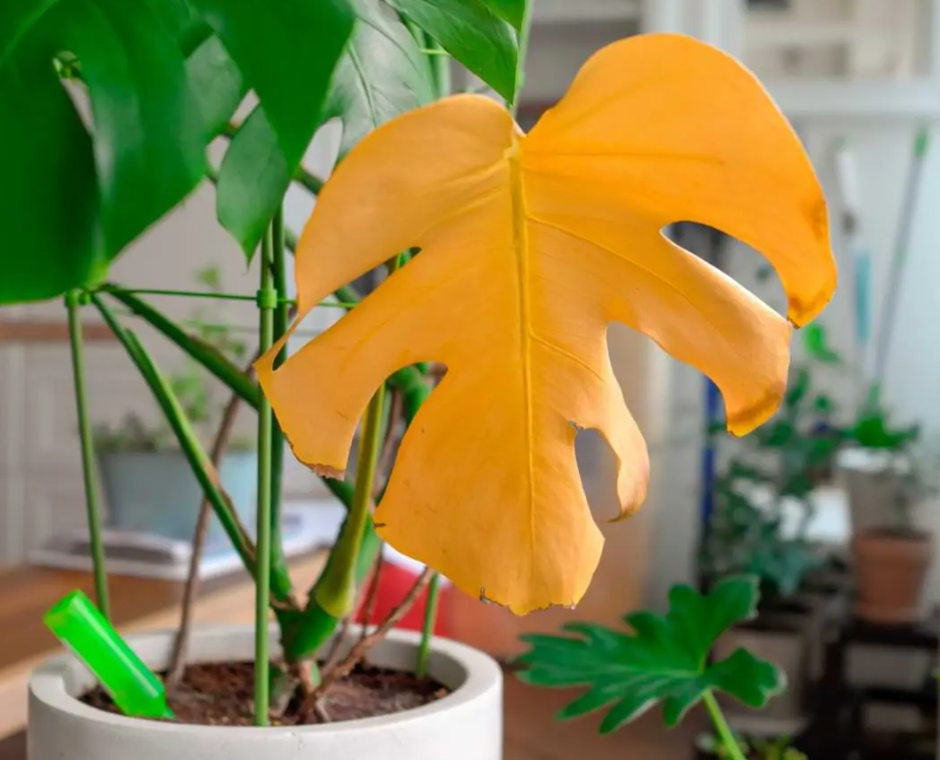
- Pale, yellowish, or washed-out leaves: Instead of the deep, vibrant green characteristic of healthy leaves, you notice a dull, light appearance.
- Less vibrancy: The leaves may look transparent or faded, especially in the center or along the veins.
- Possible leaf curling or drooping: Sometimes, leaves might also look limp or start to curl inward.
Why This Matters
Pale leaves signal that your Monstera isn’t getting what it needs—be it light, nutrients, or proper watering. If left unaddressed, the plant’s overall health can decline, and new growth may become affected.
Common Causes Overview
- Light deficiencies: Insufficient bright, indirect sunlight causes leaves to lose their intensity.
- Overwatering or underwatering: Both can stress the plant, leading to pale or yellowing foliage.
- Nutrient deficiencies: Lack of essential nutrients like nitrogen dulls leaf color.
- Improper temperature or drafts: Stress from environmental extremes can weaken leaf pigmentation.
- Pest or disease issues: Some pests or fungal infections can cause discoloration.
Section 2: Diagnosing the Exact Cause
Diagnosing why your Monstera’s leaves are pale involves checking a few key factors systematically:
Cause 1: Insufficient Light
- Symptoms: Leaves appear washed out, stretched, or “leggy.”
- How to confirm: Is your plant near a window with adequate bright, indirect light? Monsteras thrive in well-lit spots but not direct sun, which can scorch leaves.
- Why it happens: Low light hampers chlorophyll production, causing dull or faded leaves.
Cause 2: Overwatering or Underwatering
- Symptoms: Pale leaves combined with soft, limp stems (overwatered) or dry, crispy edges (underwatered).
- How to confirm: Check soil moisture — insert your finger about 2 inches deep. Is the soil consistently wet or too dry?
- Why it happens: Overwatering drowns roots, limiting nutrient uptake; underwatering causes stress and reduces overall vigor.
Cause 3: Nutrient Deficiency
- Symptoms: Pale or yellowish leaves, especially among new growth.
- How to confirm: When was the last time you fertilized? Check for any signs of poor growth or stunted new leaves.
- Why it happens: Lack of nitrogen and other vital nutrients impairs chlorophyll development.
How to tell which cause is affecting your plant:
- Light check: Is your Monstera in bright, indirect light? If not, this is likely the main issue.
- Water check: Soil moisture levels are crucial—do a simple touch test.
- Fertilizer history: Has your plant been regularly fed? If not, a nutrient boost might be needed.
Section 3: Treatment Solutions
Once you’ve identified the culprit, you can implement targeted fixes. Here’s a step-by-step guide:
Immediate Actions (First 24-48 Hours)
-
Adjust lighting:
-
Move your Monstera closer to a bright window with filtered light.
- If natural light is limited, consider using a grow light set on a timer for 12-14 hours daily.
-
Correct watering habits:
-
If overwatered: Allow the soil to dry out slightly before watering again.
- If underwatered: Water thoroughly until excess drains, then let the top inch of soil dry before next watering.
-
Apply balanced fertilizer:
-
Use a liquid houseplant fertilizer diluted to half strength.
- Feed every 4-6 weeks during the active growing season (spring and summer).
Long-Term Treatment Plan
- Maintain proper light: Keep your Monstera in bright, indirect sunlight year-round.
- Set a watering routine: Water when the top inch of soil feels dry. For most Monsteras, this is about once a week.
- Fertilize seasonally: Use a balanced, nitrogen-rich fertilizer during active growth periods.
- Monitor environmental factors: Keep temperatures stable (65-80°F) and avoid drafts or sudden temperature changes.
- Repot if necessary: If roots are crowded or soil has retained too much water, consider repotting in well-draining soil.
Expectation During Recovery
- Leaves may gradually regain color over a few weeks once issues are addressed.
- New, healthy leaves should emerge, indicating recovery.
- Overall vigor will improve, and your Monstera will become more lush and vibrant.
Section 4: Prevention Tips
Prevention is always better than cure. Here are simple steps to keep your Monstera healthy and vibrant:
- Maintain a consistent watering schedule: Water only when the top inch of soil feels dry to prevent stress.
- Provide adequate light: Place your plant in a bright spot with filtered, indirect sunlight.
- Feed appropriately: Use a balanced fertilizer every 4-6 weeks during active growth seasons.
- Ensure proper pot drainage: Use a pot with drainage holes to prevent water from stagnating.
- Monitor environmental conditions: Keep temperature and humidity stable—Monsteras love humidity but dislike drafts or cold drafts.
- Inspect regularly: Look out for pests or signs of disease, acting quickly if issues arise.
Frequently Asked Questions
Q: How long does it take for pale leaves to recover after fixing the cause?
A: Typically, you’ll see improvement within 2-4 weeks. New growth will start to be healthier and darker, though older pale leaves won’t turn green again. Patience is key!
Q: Can old pale leaves turn green again?
A: Usually, once a leaf has turned pale or yellow, it won’t revert to green. The focus should be on promoting new, healthy growth and ensuring the plant’s overall wellbeing.
Q: Should I prune severely affected leaves or let them recover naturally?
A: It’s generally best to prune very damaged or yellowed leaves gently. This redirects the plant’s energy to new, healthy growth and keeps it looking tidy.
Conclusion
Key Takeaways:
- Identify whether your Monstera’s pale leaves are due to light, water, or nutrients.
- Adjust care routines accordingly—brighten the light, water properly, and fertilize seasonally.
- Be patient: Recovery takes a few weeks, but consistent care will restore your plant’s vibrant health.
- Prevent future issues by maintaining suitable environmental conditions and regular monitoring. Remember, every plant owner faces challenges—your Monstera deliciosa is resilient and capable of bouncing back with a little attentive care. Keep observing, adjust as needed, and enjoy the process of nurturing your beautiful, vibrant plant!