Discover why your ZZ plant's leaves are sticky and how to fix it with simple diagnostics and care tips. Keep your plant healthy and happy!
Introduction
Noticing sticky leaves on your ZZ plant can be quite concerning, especially if you're unsure what’s causing the problem. Rest assured, this is a common issue faced by many indoor plant enthusiasts, and it often has straightforward solutions. Whether it's a sticky residue on the leaves or stems, understanding the root cause is key to restoring your plant’s health.
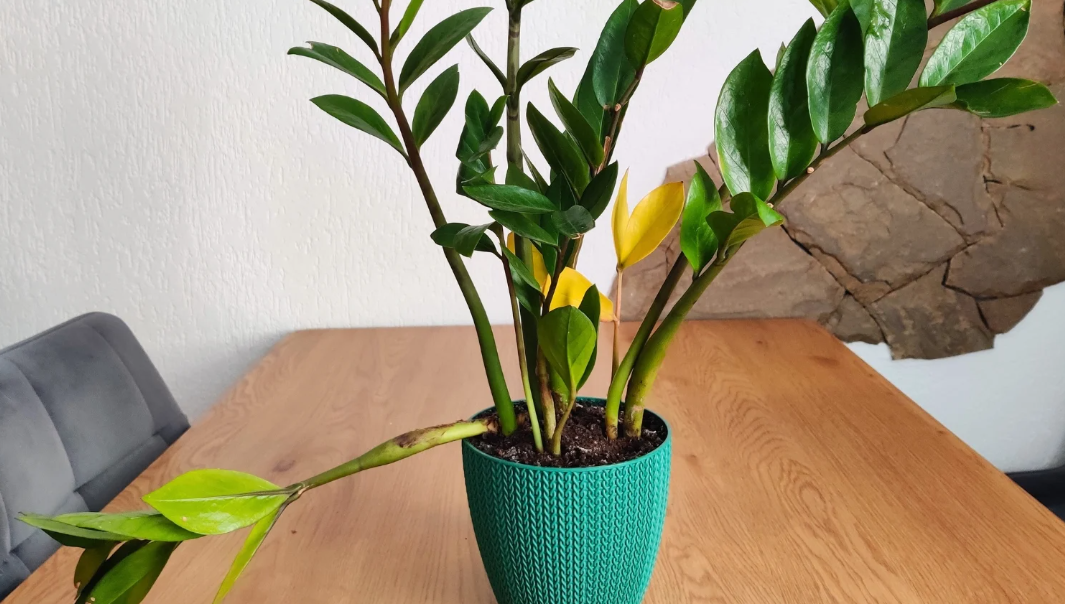
In this article, we’ll explore why your ZZ plant's leaves are sticky, how to diagnose the cause, and most importantly, how to treat and prevent this issue. With a little patience and proper care, your ZZ plant can recover, thrive, and continue to beautify your space.
Section 1: Understanding the Problem
Visual Identification of Sticky Leaves and Stems
First, take a close look at your ZZ plant. Sticky leaves typically appear as a shiny, often translucent film covering the leaf surfaces and sometimes the stems. The residue might feel greasy or tacky to the touch. You might also notice dust or dirt sticking more easily due to the sticky coating, making the plant look dull or dirty.
Common Causes Overview
Several factors can cause sticky leaves on a ZZ plant, including:
- Pest activity: Sapsuckers like scale insects or aphids secrete sticky exudates as they feed.
- Environmental factors: Excessive humidity or heat can cause the plant to exude sap or other fluids.
- Fungal or bacterial infections: Some diseases produce sticky exudates as part of their symptoms. Recognizing these signs early helps in choosing the appropriate treatment, ensuring your plant remains healthy.
Section 2: Diagnosing the Exact Cause
Step-by-Step Diagnostic Process
- Inspect for pests: Look closely at the stems and leaf undersides. Tiny insects like scale or aphids may appear as small bumps or soft bodies. Use a magnifying glass if needed.
- Check environmental conditions: Has your plant been exposed to high humidity, sudden temperature changes, or overwatering? These factors can cause sap to exude from the plant.
- Examine for signs of infection: Look for discolored spots, mold, or a foul smell, which could indicate a fungal or bacterial issue producing sticky exudate.
How to Tell Which Cause Applies to Your Plant
- If you find tiny insects or bumps, pest infestation is likely.
- If the plant has been in a humid environment or overwatered, environmental stress might be the culprit.
- If there’s discoloration, mold, or a foul smell, infection could be causing the sticky residue. By narrowing down the cause, you'll be able to choose the most effective treatment.
Section 3: Treatment Solutions
Immediate Actions
- Clean the leaves: Gently wipe the sticky residue with a damp cloth or sponge. For stubborn spots, mix a small amount of mild soap with water.
- Isolate the plant: If pests are present, keep your ZZ plant away from other houseplants to prevent spreading.
- Apply insecticidal soap or neem oil: Spray the affected areas to eliminate pests. Follow the instructions on the product label for safe and effective use.
Long-term Treatment Strategies
- Improve environmental conditions: Ensure your ZZ plant is in well-draining soil, with appropriate watering (allow the soil to dry between waterings) and adequate light.
- Regular pest prevention: Inspect your plant weekly, especially during warmer months, and treat early if pests are spotted.
- Maintain a clean environment: Remove fallen leaves and debris, which can harbor pests and fungal spores.
Monitoring Recovery
Observe your plant over the following weeks. Signs of improvement include a reduction in sticky residue, healthier-looking leaves, and the absence of pests or infection symptoms. If necessary, prune heavily affected areas to promote new, healthy growth.
Section 4: Prevention Tips
Adjust Watering, Humidity, and Light Levels
- Avoid overwatering your ZZ plant; let the soil dry out completely between watering.
- Keep humidity levels moderate; excessive moisture can promote fungal growth.
- Place your plant in bright, indirect light to strengthen its overall health and resistance.
Regular Inspection for Pests
- Check your plant weekly, focusing on stems and leaf undersides.
- Catch infestations early to prevent widespread problems.
Maintaining a Clean Environment
- Wipe down leaves regularly with a damp cloth.
- Remove any fallen leaves or debris promptly to reduce pest attraction and fungal development.
Conclusion
Addressing sticky leaves on your ZZ plant involves a combination of careful diagnosis, prompt treatment, and consistent maintenance. Whether caused by pests, environmental stress, or infections, early intervention is crucial to restore your plant’s health. Remember, with patience and proper care, your ZZ plant can recover and flourish again. Start by inspecting your plant thoroughly, apply targeted remedies, and keep up with regular care routines. Your beloved indoor green companion will thank you!
FAQ
Q: How long until I see improvement after treatment?
A: Typically, you should notice a reduction in sticky residue within a week after treatment. Complete recovery and healthy new growth may take several weeks, depending on the severity of the issue and your care consistency.
Q: Can sticky residue harm my ZZ plant long-term?
A: Yes, if left untreated, sticky residues can promote mold growth, attract pests, and hinder photosynthesis, ultimately weakening your plant. Regular cleaning and addressing the cause are essential.
Q: Should I prune parts with sticky leaves?
A: If affected areas are heavily damaged or infested, pruning can help prevent the spread of pests or disease. Use clean, sharp scissors and dispose of pruned material away from your plant.
By following these tips and understanding the causes behind sticky leaves, you'll be well on your way to keeping your ZZ plant healthy, beautiful, and free of sticky residue. Happy plant parenting!