Introduction
Noticing curling leaves on your Pothos can be worrying, especially when you're eager to keep your indoor jungle thriving. You might wonder, "Why is my Pothos having curling leaves?" Rest assured, this common issue often signals a fixable problem. With a little understanding and some targeted care, you can restore your plant's lush, healthy appearance. This guide will help you identify the causes behind curled leaves, walk you through diagnosis steps, and provide practical solutions to bring your Pothos back to its vibrant best. Remember, plant stress symptoms like leaf curling are usually reversible with attentive care, so don’t lose hope!
Section 1: Understanding the Problem
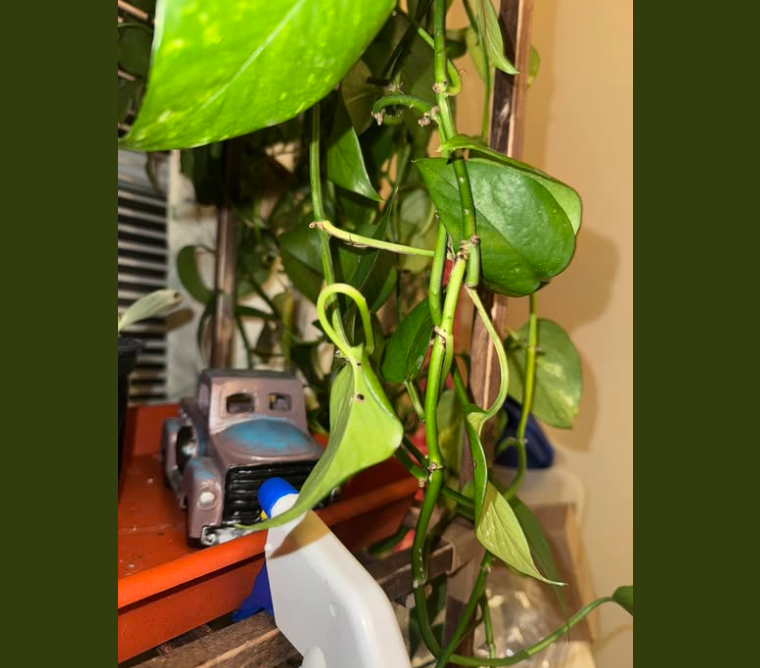
Visual Identification of Curling Leaves
Curling leaves in Pothos can appear in several forms—edges might tighten into tight rolls, or the entire leaf may slightly curl downward or upward. Sometimes, the curling is accompanied by other symptoms such as yellowing, browning tips, or wilting. Look for these signs:
- Edges curled inward or upward
- Leaves appearing crinkled or wrinkled
- Discoloration or spots on leaves
- Overall drooping or stiff leaves
Common Causes Overview
There are several reasons why your Pothos might develop curling leaves:
- Dryness or underwatering
- Overwatering or poor drainage
- Pest infestations such as spider mites or thrips
- Environmental stress like temperature fluctuations or low humidity
Understanding these factors is essential to accurately diagnose and treat the issue effectively.
Section 2: Diagnosing the Exact Cause
Follow a step-by-step process to determine what's affecting your Pothos:
Cause 1: Watering Issues (Overwatering or Underwatering)
- Underwatering: Leaves often curl as a water conservation response. You might notice parched soil, brittle texture, and dry leaf edges.
- Overwatering: Excess water can lead to root rot, causing leaves to curl, soften, or drop. Check if the soil feels soggy or smells foul.
Cause 2: Pests such as Spider Mites or Thrips
- Pest symptoms: Tiny webs, spots, or stippling on leaves, along with curling, suggest pests.
- Use a magnifying glass to inspect the undersides of leaves for small bugs or webbing.
Cause 3: Environmental Stress—Temperature Fluctuations or Low Humidity
- Pothos prefers stable, moderate temperatures (65-85°F) and humidity levels.
- Rapid temperature shifts or dry air (common indoors during winter) can lead to leaf curling.
How to tell which cause applies to your situation:
- Check soil moisture. Feel the top inch; if dry, underwatering may be the culprit. If soggy, then overwatering.
- Inspect leaves closely for pests.
- Assess environmental conditions: Are there drafts, heating vents, or dry air sources nearby?
Section 3: Treatment Solutions
Immediate actions: Address the root cause quickly
- Adjust watering: Ensure you're watering appropriately—allow the soil to dry slightly between waterings, but don't let it completely dry out.
- Increase humidity: Use a humidifier, place a tray of water nearby, or group your plants together to raise moisture levels.
- Treat pests: For mites or thrips, gently wash leaves with a mixture of water and mild soap, or apply insecticidal soap if needed.
Long-term strategies
- Optimize light: Pothos thrives in bright, indirect light. Avoid direct sun, which can scorch leaves.
- Set a consistent watering schedule: Water when the top inch of soil feels dry.
- Maintain environmental stability: Keep temperature steady and avoid placing your plant near drafts or heaters.
Monitoring during recovery
Keep observing your Pothos for improvements:
- Leaves should gradually uncurl and regain their natural shape.
- New growth should be healthy and firm.
- Unchanging or worsening symptoms may require re-evaluating your diagnosis.
Section 4: Prevention Tips
To prevent leaf curling and keep your Pothos thriving:
- Maintain consistent watering and humidity levels
- Ensure proper lighting: Bright, indirect light is best
- Regularly inspect for pests: Catch and treat infestations early
- Avoid abrupt environmental changes: Keep temperature stable and avoid drafts
- Use well-draining soil and pots with drainage holes Consistent, attentive care is the best way to keep your Pothos healthy and resilient against future stressors.
Conclusion
Addressing curling leaves in your Pothos involves understanding their cause and applying the right care. Whether it's adjusting watering habits, improving humidity, or treating pests, your plant can recover beautifully with attentive care. Remember, most issues are easily fixable, and your Pothos can bounce back to lush, vibrant health. Take the next step: implement the suggested care adjustments, monitor your plant regularly, and enjoy the rewarding process of nurturing your indoor garden. With patience and empathy, your Pothos will flourish once again!
FAQ
Q: Why does my Pothos have curling leaves, and how long will it take to see improvement after fixing watering issues?
A: Curling leaves often result from improper watering—either too much or too little. After adjusting the watering schedule, you may see signs of recovery within a few days to a week. New growth should be healthier and leaves less curled as the plant begins to recover.
Q: Can my Pothos fully recover from severe leaf curling?
A: Yes, if the underlying cause is identified and treated promptly. Severe curling often indicates stress, but with proper care, your Pothos can produce new, healthy leaves, and the old damaged leaves may eventually drop.
Q: Should I prune curled or damaged leaves?
A: Yes. Trimming severely curled or damaged leaves can help the plant focus its energy on healthy new growth. Use clean scissors and prune just above a leaf node or clean cut to encourage further growth.
By understanding your Pothos’ needs and responding promptly to signs of stress, you can enjoy a thriving, beautiful indoor plant for years to come. Happy gardening!