Noticing your Calathea's leaves curling can be worrying, but it’s a common issue with simple solutions. Many plant enthusiasts, especially beginners, encounter this problem at some point, wondering what’s wrong with their beloved plant. The good news is that curling leaves are often a sign of environmental adjustments needed rather than a death sentence.
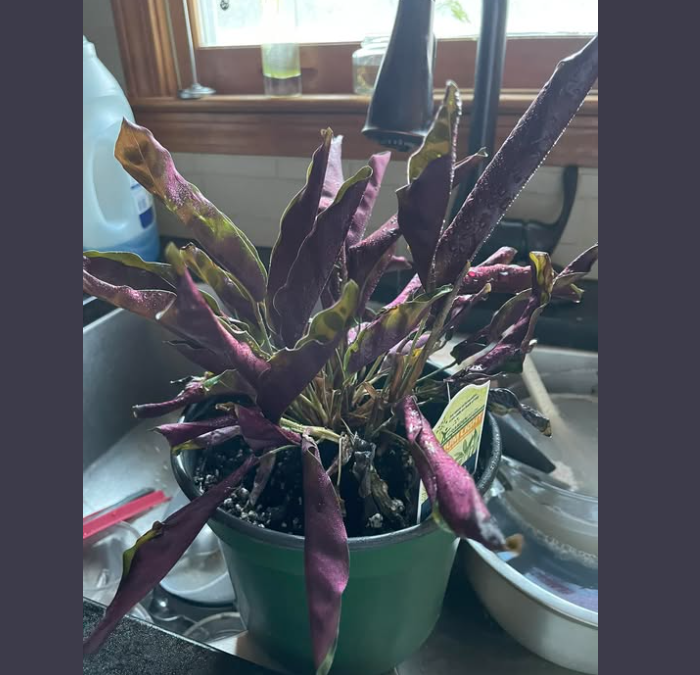
In this guide, I’ll walk you through how to diagnose the causes of curling leaves, practical troubleshooting steps, and easy care tips to restore your Calathea’s health. With patience and proper care, your plant can bounce back and thrive once again. Let’s dive into understanding what your plant needs!
Section 1: Understanding the Problem
Visual identification: Recognize curling, sagging, or distorted leaves
Calathea plants are known for their beautifully patterned foliage, but when their leaves start curling, it’s a clear sign that something isn’t quite right. Look for:
- Leaves curling inward or downward at the edges
- Sagging or wilting leaves that lose their firm texture
- Distorted leaf shapes or signs of browning along the edges These symptoms are not exclusive to one cause—they can indicate different issues, so it’s essential to identify the root cause accurately.
Common causes overview: Water imbalance, low humidity, environmental stress, pests, or nutritional deficiencies
Here are the typical reasons behind curling leaves:
- Water imbalance: Both overwatering and underwatering can cause leaf curling.
- Low humidity: Calatheas thrive in humid environments; dry air often leads to curling.
- Environmental stress: Improper lighting, temperature swings, or drafts stress the plant.
- Pests: Spider mites, mealybugs, or thrips can cause leaf distortion.
- Nutritional deficiencies: Lack of essential nutrients, especially magnesium or nitrogen, may exhibit leaf curling. Understanding these causes will guide your troubleshooting steps.
Section 2: Diagnosing the Exact Cause
Follow a step-by-step process to determine why your Calathea's leaves are curling, focusing on the most common causes.
Cause 1: Underwatering or inconsistent watering
- Signs: Dry, crispy leaf edges, or leaves that appear wilted.
- How to test: Check the topsoil—if it’s very dry and pulls away from the pot edges, underwatering may be the culprit.
Cause 2: Low humidity levels
- Signs: Leaf curling with brown tips or edges, especially in dry, heated indoor environments.
- How to test: Use a hygrometer to measure humidity; aim for 50-70%.
Cause 3: Improper lighting or temperature stress
- Signs: Curling or wilting leaves after sudden exposure to direct sunlight or drafts.
- How to tell: Observe if the plant is near a window with direct sun or near a cold draft.
How to tell which cause applies to your plant
- If the soil feels dry and the leaves are crispy, underwatering is likely.
- If the soil is moist but leaves are curling and browning, increase humidity and check lighting.
- If leaves curl after drafts or excessive heat, move the plant to a more stable environment.
Section 3: Treatment Solutions
Implement tailored fixes based on the diagnosed cause, with immediate and long-term strategies.
Immediate actions:
- Adjust watering schedule: If dry, water thoroughly and consistently. If overly moist, reduce watering frequency.
- Increase humidity: Use a humidifier, place a tray with pebbles and water underneath, or mist regularly.
- Optimize lighting: Move to bright but indirect light, avoiding direct sun that can scorch leaves.
Long-term care:
- Establish a routine watering schedule: Check soil moisture before watering—every 1-2 weeks depending on environment.
- Improve environmental conditions: Keep the temperature steady (ideally 65-80°F) and avoid drafts.
- Fertilize appropriately: During the growing season, feed with a balanced, water-soluble fertilizer every 4-6 weeks.
Monitoring recovery:
- Watch for new, healthy leaf growth.
- Prune any severely damaged or yellowing leaves to encourage healthy growth.
- Keep a close eye on humidity and watering to prevent recurrence.
Section 4: Prevention Tips
Maintain optimal conditions to prevent leaf curling in the future.
Care routine adjustments:
- Check soil moisture regularly; don’t let the soil stay too dry or soggy.
- Maintain humidity by misting, using humidifiers, or grouping plants together.
- Water with room temperature water to avoid shock.
Environmental factors to monitor:
- Lighting: Bright, filtered indirect light is ideal.
- Temperature: Keep it consistent, away from radiators, heaters, or cold drafts.
- Humidity: Maintain at least 50% humidity; consider a hygrometer to keep track.
Conclusion
Recap of key diagnostic steps and care tips to fix curling leaves in Calathea
When your Calathea’s leaves start curling, remember to check for water balance, humidity levels, lighting conditions, and pests. Adjust watering routines, increase humidity, move the plant to suitable lighting, and monitor environmental stability.
Encouragement
Don’t be discouraged—Calatheas are resilient and can bounce back with proper care. Your attentive adjustments will help your plant recover and flourish.
Next steps
Apply the troubleshooting guidance outlined here, observe your plant’s response, and continue with regular maintenance. With patience, your Calathea will regain its beautiful, vibrant leaves.
FAQ
Q: How long does it take for Calathea leaves to recover after fixing the problem?
A: Recovery time varies depending on the severity of the issue. Typically, you can expect to see improvement within a few days to a few weeks. New healthy leaves will start to grow, and curled or damaged leaves may gradually straighten or yellow, eventually dropping off.
Q: Can curling leaves indicate a severe health issue?
A: In some cases, persistent curling may signal underlying problems such as root rot, pests, or nutritional deficiencies. It’s essential to diagnose carefully and address the specific cause. If corrective measures don’t improve the condition, consult a plant specialist.
Q: Should I prune the curling leaves or leave them for the plant to recover?
A: If leaves are severely damaged, yellowing, or browning, pruning them can help redirect the plant’s energy toward new growth. However, if the curling is reversible (e.g., due to low humidity), it's best to leave healthy leaves intact to facilitate recovery.
With these practical tips and patience, you can turn your struggling Calathea back into a thriving, eye-catching centerpiece. Happy gardening!