Are your Pothos's leaves feeling soft or limp? Don't worry—you're not alone. Many indoor plant enthusiasts, especially beginners, notice this issue and wonder what’s gone wrong. Soft or drooping leaves can be concerning, but they’re often a sign that your plant needs some attention, not necessarily a cause for panic.
In this comprehensive guide, we'll walk you through how to diagnose the causes of soft leaves in Pothos, practical solutions to revive your plant, and tips to prevent this problem from recurring. With a little care and understanding, your Pothos can bounce back stronger than ever!
Understanding the Problem
Soft or limp leaves in Pothos (Epipremnum aureum) are a common issue that can stem from various underlying causes. Recognizing what’s behind the problem is the first step toward effective treatment.
Visual Identification: How Soft Leaves Differ from Healthy, Firm Leaves
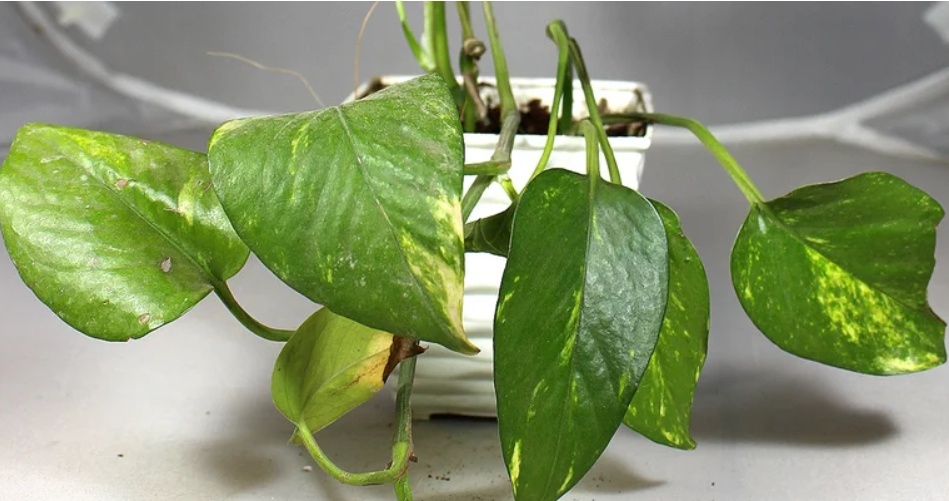
Healthy Pothos leaves are typically sturdy, vibrant, and slightly glossy. When they’re soft or limp, they often appear droopy, wilted, or squishy when gently touched. They may also feel thinner and less resilient, sometimes even drooping downward, indicating a loss of turgor pressure inside the leaf tissues.
Common Causes Overview
The main causes of soft leaves in Pothos include:
- Overwatering: Excess water suffocates roots, leading to root rot and impaired water transport.
- Underwatering: Lack of water causes dehydration, making leaves wilt.
- Root issues: Root rot or damage restricts nutrient flow.
- Environmental stress: Low humidity, drafts, or temperature extremes.
- Pests: Certain pests damage plant tissues and disrupt water balance. Understanding these causes helps target your interventions effectively.
Diagnosing the Exact Cause
Knowing why your Pothos has soft leaves is crucial for proper treatment. Here’s a step-by-step approach to diagnosing the problem.
Cause 1: Overwatering—Check soil moisture, drainage, and watering habits
- Feel the soil about 1-2 inches deep. If it feels very wet or soggy, overwatering is likely the culprit.
- Review your watering schedule; Pothos prefers to dry out slightly between waterings.
- Ensure your pot has drainage holes and that excess water can escape, preventing waterlogging.
Cause 2: Underwatering—Notice if the soil is extremely dry and leaves feel wilted
- Check if the topsoil feels dry to the touch.
- Observe if the leaves are drooping along with a dry, brittle feel.
- If so, your plant may need more water.
Cause 3: Root rot or root issues—Gently inspect roots if soil is overly wet or foul-smelling
- Carefully remove the plant from its pot.
- Examine roots: healthy roots are white and firm, while rotted roots are brown, mushy, or black, with a foul odor.
- Root rot results from persistent overwatering or poor drainage.
How to Tell Which Cause Applies to Your Plant Using a Diagnosis Checklist
| Symptom | Possible Cause | Action Needed |
|---|---|---|
| Soil wet, leaves limp | Overwatering | Adjust watering, improve drainage |
| Soil dry, leaves wilted | Underwatering | Water thoroughly, check moisture regularly |
| Rotted roots | Root rot from overwatering | Remove affected roots, repot with fresh soil |
| Leaves droop, soil just right | Environmental stress | Adjust humidity or relocate plant |
Treatment Solutions
Once you’ve identified the cause, it’s time to implement remedies for your Pothos.
Immediate Actions: Adjust watering, improve drainage, remove affected leaves if necessary
- For overwatered plants: Pause watering, let the soil dry completely, and ensure the pot drains well.
- For underwatered plants: Water deeply until excess drains out, then maintain consistent watering.
- Remove soft or yellowed leaves to prevent disease and help the plant focus energy on healthier tissues.
Long-term Treatment Plan: Repotting if root rot is present, improving humidity, using natural remedies like hydrogen peroxide
- Repot your Pothos if root rot is evident. Rinse healthy roots with clean water and plant in fresh, well-draining soil.
- Enhance humidity by placing a humidifier nearby or setting your pot on a pebble tray filled with water. Pothos prefers moderate humidity.
- Natural remedies: Dilute hydrogen peroxide (3%) with water in a 1:4 ratio and gently mist the roots or soil to help kill bacteria and fungi.
What to Expect During Recovery: Signs of improvement, timeline, and ongoing care
- Expect some new leaf growth within a few weeks if conditions improve.
- Be patient—restoring root health can take time.
- Continue with proper watering habits and monitor your plant regularly.
Prevention Tips
Prevention is always better than cure. Follow these care practices to keep your Pothos healthy and resilient.
Care Routine Adjustments: Follow proper watering schedules, ensure adequate light
- Water only when the top inch of soil feels dry.
- Maintain bright, indirect light — too little light stresses the plant, making it more susceptible to problems.
- Regularly check soil moisture levels.
Environmental Factors to Monitor
- Humidity: Aim for 40-60% humidity. Use a humidifier or pebble tray if indoor air is dry.
- Drafts and temperature: Keep your Pothos away from cold drafts or direct heat sources.
- Soil quality: Use a well-draining, aerated soil mix designed for houseplants.
Conclusion
Recap of Diagnosing Causes, Treatment Steps, and Prevention Strategies for Soft Leaves in Pothos
Soft leaves in Pothos signal that something's off, often linked to watering issues or environmental stressors. By carefully diagnosing whether overwatering, underwatering, root rot, or environmental factors are at play, you can select the most effective treatment. Adjust your watering practices, improve drainage, and maintain a stable environment to support recovery.
Encouragement: With attentive care, your Pothos can recover and thrive again
Don’t be discouraged — many soft-leaf issues are reversible, and your plant’s resilience is remarkable. With patience and consistent care, your Pothos can bounce back healthier than before.
Next Steps: Start diagnosing today, adjust your watering habits, and monitor your plant’s response
Take a moment to inspect your plant and soil today. Small adjustments now can make a big difference. Keep observing, stay patient, and enjoy nurturing your green companion back to full health!
FAQ
Q: How long until I see improvement after fixing watering issues?
A: Typically, you can notice signs of recovery within 2-4 weeks. New growth may appear, and existing leaves will firm up as the plant regains strength. Patience is key, especially if root damage was involved.
Q: Can I save my Pothos if the roots are rotted?
A: Yes, if caught early, you can save your Pothos by removing all rotted roots, repotting in fresh soil, and adjusting your watering schedule. Be cautious, and ensure you keep the plant in optimal conditions to prevent recurrence.
Q: Should I prune soft or wilted leaves to help the plant recover?
A: Yes, removing soft, yellowed, or wilted leaves helps redirect the plant’s energy toward new, healthy growth. Use clean scissors or pruning shears to make clean cuts close to the stem.
By understanding your Pothos's needs and addressing issues promptly, you can restore its vibrant, lush foliage. Happy gardening!