Discover why your snake plant's leaves become soft on stems, learn diagnostic steps, effective treatments, and prevention tips to keep your plant healthy.
Introduction
Noticing soft leaves on your snake plant can be quite alarming, especially if you're new to plant care. It’s natural to worry about whether your beloved indoor plant is healthy or not. But don’t fret—this issue is often fixable with some understanding and proper care.
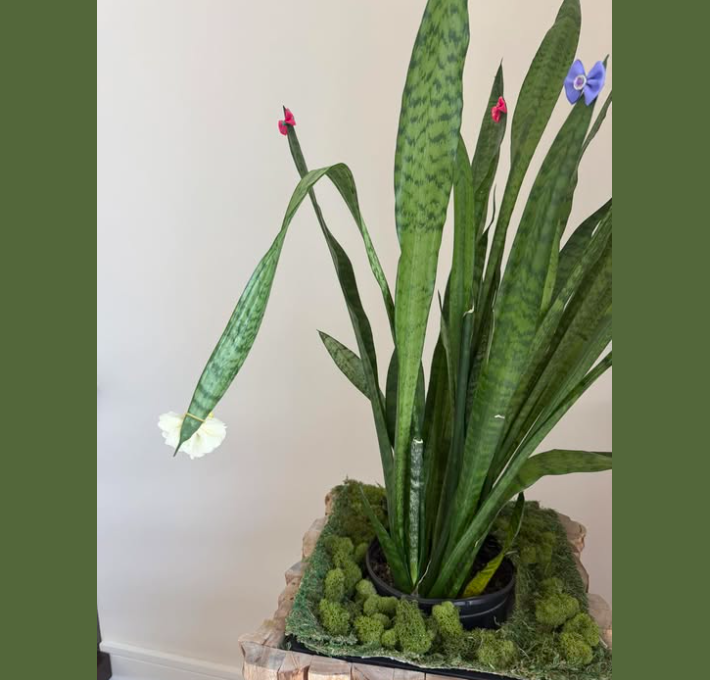
In this article, we’ll explore why snake plant leaves become soft on stems, how to accurately diagnose the cause, and what steps you can take to restore your plant’s vitality. With a little patience and attention, you can help your snake plant bounce back and thrive again.
Section 1: Understanding the Problem
Visual Identification of Soft, Mushy Leaves and Stems
Soft leaves on your snake plant typically appear limp, squishy, or waterlogged compared to their usual firm texture. You might notice that the stems or leaf bases are mushy or discolored, sometimes with a foul smell. The softening often starts at the tips or along the stems and can spread if left untreated.
Common Causes Behind Soft Leaves on Stems
Several issues can cause your snake plant’s leaves to become soft. The most common are:
- Overwatering: Excess water causes the roots to rot, leading to poor water and nutrient uptake, resulting in soft, wilted leaves.
- Root rot and Stem Decay: Fungal or bacterial infections thrive in overly wet soil, attacking roots and stems.
- Physical Damage or Injury: Mechanical injury due to mishandling or accidental bumps can cause stem or leaf softness.
- Fungal or Bacterial Infections: Pathogens can invade and weaken plant tissues, causing softness and decay. Understanding these causes is crucial for accurate diagnosis and effective treatment.
Section 2: Diagnosing the Exact Cause
Step-by-Step Process to Determine Why Your Snake Plant's Leaves Are Soft
Cause 1: Overwatering Leading to Root Rot and Stem Decay
- Check the soil moisture: Feel the soil—if it’s consistently damp or soggy, overwatering is likely.
- Inspect the roots: Carefully remove the plant from its pot. Healthy roots are white and firm; rotted roots are brown or black and mushy.
- Look for foul smell: Rotted roots emit a distinct, unpleasant odor.
Cause 2: Physical Damage or Injury to Stems
- Examine the stems: Gently press along the stems—if you notice soft, squishy areas, or if the stem feels loose or discolored, injury might be the cause.
- Recall recent handling: Think about recent repotting or movement that could have caused damage.
Cause 3: Fungal Infections or Bacterial Diseases
- Observe the plant’s surface: Look for unusual spots, mold, or slimy patches on the leaves or stems.
- Check for discoloration: Yellowing, black patches, or oozing can indicate infections.
How to Tell Which Cause Applies to Your Plant
- Overwatering symptoms: Soft leaves combined with soggy soil and rotted roots.
- Physical damage: Soft, mushy stems with no signs of root rot; recent handling history.
- Fungal/bacterial issues: Discolored spots, mold, or oozing areas on stems or leaves. Accurate diagnosis is essential for targeted treatment.
Section 3: Treatment Solutions
Immediate Actions
- Remove affected parts: Carefully prune away mushy or discolored leaves and stems with clean, sharp scissors or pruning shears.
- Adjust watering habits: Allow the soil to dry out completely before watering again. Ensure the pot has proper drainage.
- Inspect roots: If root rot is present, trim away rotted roots, sterilize tools, and discard infected soil.
Long-term Treatment
- Repotting: Use a well-draining cactus or succulent mix to prevent future overwatering issues.
- Apply remedies: For fungal infections, consider natural antifungals like cinnamon powder or specific commercial fungicides. Bacterial infections may require specific treatments; consult a local plant expert if unsure.
- Maintain proper watering schedule: Water only when the top inch of soil is dry, typically every 2-3 weeks.
Monitoring During Recovery
- Watch for signs of improvement: Leaves should firm up, and new growth may appear.
- Avoid overwatering: Stick to a consistent watering routine.
- Seek help if needed: If the plant does not recover or worsens, consult a professional or local nursery for advanced care options.
Section 4: Prevention Tips
How to Care for Your Snake Plant to Avoid Soft Leaf Issues
- Adjust watering routines: Remember, snake plants prefer infrequent watering. Water only when the soil is completely dry.
- Ensure proper drainage: Use pots with drainage holes and well-draining soil to prevent water accumulation.
- Monitor environmental factors: Keep your snake plant in a bright, indirect light location with stable temperature and humidity.
- Regular inspection: Check your plant weekly for signs of pests, infections, or soft spots to catch problems early.
- Handle carefully: When repotting or moving the plant, avoid unnecessary injury to stems and leaves. Implementing these preventive measures can significantly reduce the risk of future soft leaves and other health issues.
Conclusion
Recap of Diagnostic Steps, Treatment Options, and Prevention Strategies
Dealing with soft leaves on snake plant stems can be concerning, but most causes are manageable with proper diagnosis and care. Start by checking the roots and soil moisture to identify overwatering or rot, inspect for physical damage or infections, and prune affected parts. Adjust your watering habits, improve drainage, and treat any infections as needed.
Encouragement
Remember, your snake plant is resilient, and with attentive care, it can recover from most issues. Patience and consistency are key.
Next Steps
Begin by carefully diagnosing your plant’s condition, then follow the recommended treatment and prevention tips. Your snake plant will thank you with healthy, firm leaves and vibrant growth!
FAQ
Q: How long does it take for a snake plant to recover from soft leaves?
A: Recovery time varies depending on the severity of the issue. Mild cases may improve within a few weeks after adjusting watering and removing affected parts. More severe root rot or infections might take several months, and some plants may need repotting or specialized treatment. Patience and consistent care are essential.
Q: Can I save my snake plant if the stems are mushy?
A: Yes, if the mushiness is caught early, removing the affected stems and roots, then adjusting watering and improving drainage can save the plant. However, if the decay is extensive, some stems may need to be cut back entirely to promote new healthy growth.
Q: Should I prune all the affected parts or just the soft leaves?
A: Prune only the soft, mushy, or discolored parts to prevent spreading infections and encourage healthy new growth. Use sterilized tools and make clean cuts just above healthy tissue. Regular inspection helps ensure you catch issues early.
By understanding the causes of soft leaves on your snake plant and following these practical steps, you can restore its health and enjoy its lush, vibrant presence in your home. Happy gardening!