Discover why your Rubber Plant may develop root rot and learn effective diagnosis and treatment strategies to save your plant and prevent future issues.
Introduction
Noticing your Rubber Plant's health decline can be worrying, especially when roots are involved. Root rot is a common issue that often catches plant parents off guard because it develops beneath the soil surface, making it less obvious at first glance. However, with a little knowledge and attentive care, you can identify the signs early, diagnose the cause, and take effective steps to save your beloved plant. Rest assured, even if root rot has set in, your Rubber Plant can recover and thrive again. This guide will walk you through understanding root rot, diagnosing its causes, and implementing practical solutions to bring your plant back to health.
Section 1: Understanding Root Rot in Rubber Plants
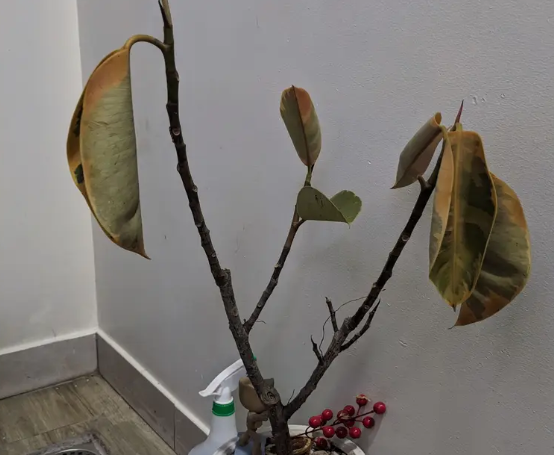
How Does Root Rot Manifest, and Why Does It Happen?
Root rot in Rubber Plants is a fungal or bacterial disease that causes the roots to decay. Recognizing the symptoms early is crucial for effective treatment.
Visual Identification
- Browning or Blackened Roots: When you gently remove the plant from its pot, the roots may appear dark, mushy, and foul-smelling.
- Foul Odor: A rotten smell emanating from the soil or roots is a strong indicator of root rot.
- Wilting Leaves: Despite adequate watering, the leaves may droop or turn yellow, signaling root issues affecting nutrient uptake.
- Stunted Growth: Your Rubber Plant may stop growing or show signs of stress.
Common Causes Overview
- Overwatering: Excess water creates a perpetually moist environment, perfect for fungal growth.
- Poor Drainage: Soil that retains water or pots without drainage holes cause water to stagnate around roots.
- High Humidity: While Rubber Plants appreciate humidity, overly damp conditions can promote rot.
- Root Damage: Physical injuries during repotting or other stressors weaken roots and make them susceptible.
Section 2: Diagnosing the Exact Cause of Root Rot
Accurate diagnosis is essential to apply the right treatment. Follow these steps to determine what's causing your Rubber Plant’s root issues.
Cause 1: Overwatering and Excess Moisture
If you tend to water your Rubber Plant frequently or the soil remains soggy, overwatering is likely the culprit. Check your watering routine and soil moisture level.
Cause 2: Poor Drainage or Soil Conditions
Inspect the pot to see if it has drainage holes. Examine the soil—if it’s dense, clayey, or retains water, it can lead to root rot.
Cause 3: Root Damage or Stress
Physical injuries during repotting, transplanting, or rough handling can damage roots, making them vulnerable to decay.
How to Tell Which Cause Applies
- Check the watering schedule: Are you watering more often than necessary?
- Inspect the pot and soil: Is there adequate drainage? Is the soil well-draining?
- Examine roots: Are they mushy, discolored, or damaged? Healthy roots are firm and white.
Section 3: Treatment Solutions for Root Rot
Once you've identified the cause, act promptly to save your Rubber Plant.
Immediate Actions
- Remove Affected Roots: Carefully take the plant out of its pot and trim away all mushy, blackened, or rotten roots using sterilized scissors or pruning shears.
- Adjust Watering Routine: Allow the soil to dry out before watering again. Water only when the top inch of soil feels dry.
- Improve Drainage: Repot the plant in a container with drainage holes and well-draining soil mix, such as a blend of peat, perlite, and pine bark.
- Disinfect Tools: To prevent spreading fungi, sterilize tools with rubbing alcohol or boiling water before pruning.
Long-Term Care
- Repotting with Proper Soil: Use a fast-draining potting mix designed for indoor plants.
- Pruning Damaged Roots: Remove all decayed roots to encourage healthy new root growth.
- Applying Natural Remedies: For mild infections, soaking roots in a solution of hydrogen peroxide (3% solution diluted with water) can help eliminate fungi.
- Use Fungicides if Necessary: In severe cases, a fungicide labeled for root rot can be applied, following manufacturer instructions.
Monitoring During Recovery
- Watch for New Growth: Healthy roots will produce new shoots and leaves.
- Maintain Proper Watering and Care: Consistency is key to recovery.
Section 4: Prevention Tips for Healthy Roots
Prevention is always better than cure. Follow these best practices to keep your Rubber Plant healthy and root-rot-free.
Adjust Watering Habits
- Water only when the top inch of soil is dry.
- Avoid overwatering, especially during cooler months when the plant's water needs decrease.
Use Proper Soil and Pots
- Always plant in containers with drainage holes.
- Use a well-draining soil mix tailored for Rubber Plants or similar tropical foliage.
Maintain Proper Humidity and Avoid Overwatering
- Rubber Plants enjoy moderate humidity but ensure excess moisture can evaporate.
- Use a humidity tray or mist occasionally, but don’t let water pool in the pot.
Regular Inspections and Healthy Repotting Practices
- Check roots annually for signs of stress or rot.
- Repot every 2-3 years or when the plant outgrows its current container.
- Handle roots gently during repotting to prevent damage.
Conclusion
Recap of diagnosing, treating, and preventing root rot in Rubber Plants:
- Recognize early signs like root discoloration, foul smell, and wilting.
- Diagnose whether overwatering, poor drainage, or root damage is the cause.
- Implement immediate treatment by pruning affected roots, adjusting watering, and improving soil conditions.
- Prevent future issues by watering appropriately, using well-draining soil, and inspecting regularly. With attentive care and the right practices, your Rubber Plant can recover from root rot and flourish once again. Don't be discouraged—every plant parent encounters challenges, and each is an opportunity to learn and grow alongside your green friends. Start diagnosing your Rubber Plant today and give it the care it needs to thrive!
FAQs
Q: How long until I see improvement after treatment?
A: Typically, you can expect to see signs of recovery within a few weeks. New, healthy root growth and fresh foliage indicate that your plant is rebounding. Ensure you follow proper watering and care routines during this period.
Q: Can my Rubber Plant fully recover from severe root rot?
A: Yes, with diligent pruning, proper repotting, and care, many Rubber Plants recover from severe root rot. However, in extreme cases where roots are extensively damaged, some loss of growth may occur, but the plant can still thrive with patience.
Q: Should I prune all affected roots or just the visibly damaged ones?
A: It's best to remove all visibly rotten, mushy, or discolored roots to prevent the spread of fungi. Use sterilized tools and prune back to healthy, firm tissue. This creates a clean slate for healthy root development.
By understanding the causes and following these practical steps, you can effectively combat root rot and ensure your Rubber Plant remains a beautiful and healthy addition to your indoor garden. Happy gardening!