Discover the reasons behind black spots on your Rubber Plant and learn effective solutions and prevention tips to keep your plant healthy and vibrant.
Introduction
Noticing black spots on your Rubber Plant can be quite alarming—especially if you’re just starting your indoor gardening journey. It’s natural to worry about the health of your green companion, but don’t fret! This is a common issue faced by many plant enthusiasts, and with a bit of knowledge, you can easily diagnose and treat the problem.
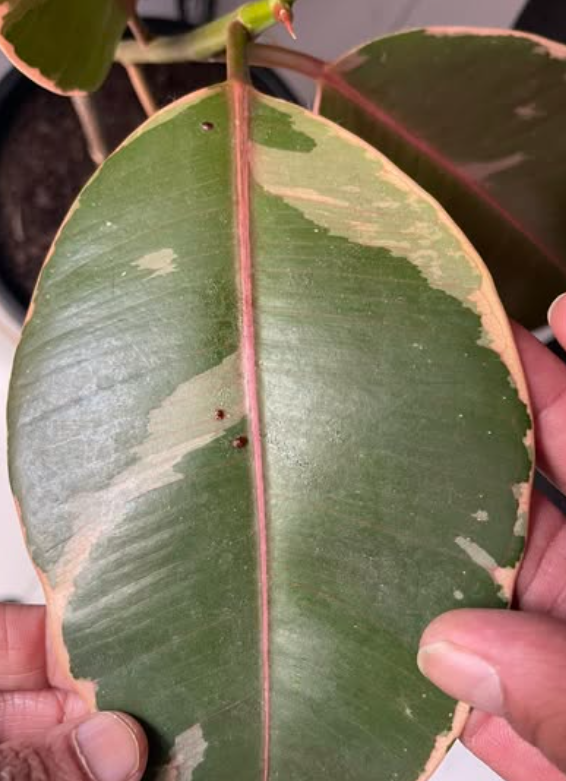
In this article, we'll explore why black spots appear on Rubber Plants, how to diagnose the exact cause, and most importantly, how to apply simple, effective remedies. With proper care, your Rubber Plant can recover beautifully, transforming those troubling black spots into distant memories.
Section 1: Understanding the Problem
Visual Identification of Black Spots
Black spots on a Rubber Plant typically appear as small to large dark patches on the leaves. They can vary in texture—sometimes they are flat, fuzzy, or sunken into the leaf surface. Often, these spots are irregular in shape and may be surrounded by yellowish or brownish halos.
Why Do Black Spots Develop?
Black spots are usually a sign that something is amiss within or on the surface of your plant. Common causes include:
- Fungal infections: Leaf spot fungi thrive in moist, humid environments, creating characteristic black patches.
- Overwatering: Excess water can lead to root rot, which in turn causes leaves to develop black spots as the plant’s health declines.
- Pests: Certain pests, such as scale insects or mealybugs, can damage leaves, leading to blackened areas or spots.
- Environmental stress: Low light, sudden temperature changes, or drafts can weaken your plant, making it more susceptible to infections.
Section 2: Diagnosing the Exact Cause
Step-by-Step Diagnostic Process
To effectively treat black spots, you need to identify the root cause. Here's how:
Cause 1: Fungal Infections (e.g., leaf spot fungi)
- Symptoms: Black or dark brown spots with fuzzy or powdery edges; spots may enlarge over time.
- How to confirm: Check if spots have fuzzy edges or if the plant’s overall health is declining.
Cause 2: Overwatering Leading to Rot and Fungal Growth
- Symptoms: Soft, blackened areas on leaves or stems; roots may feel mushy or smell foul.
- How to confirm: Gently remove the plant from its pot and inspect the roots for rot.
Cause 3: Pest-Related Issues
- Symptoms: Damage on leaves such as small holes, sticky residue, or visible insects.
- How to confirm: Examine the underside of leaves and stems for pests like scale or mealybugs.
How to Tell Which Cause Applies
- Look closely at the affected leaves: Are the spots fuzzy, powdery, or smooth? Are pests visible?
- Check the soil and roots: Is there a foul smell or mushy roots?
- Assess watering habits: Have you been watering too frequently? By carefully observing these signs, you'll pinpoint whether the black spots are caused by fungi, pests, or overwatering.
Section 3: Treatment Solutions
Once you've diagnosed the cause, you can proceed with targeted treatments:
Immediate Actions
- Remove affected leaves: Use clean scissors or pruning shears to cut off leaves with black spots. This prevents the spread.
- Adjust watering habits: Ensure you're watering only when the top inch of soil feels dry.
Natural Remedies for Fungal Issues
- Neem oil: Mix according to package instructions and spray on the affected leaves. Neem oil has antifungal properties and is safe for indoor plants.
- Baking soda solution: Mix 1 teaspoon of baking soda in a quart of water with a few drops of liquid soap. Spray onto leaves to inhibit fungal growth.
Chemical Treatments
- Fungicides: Use a commercial fungicide labeled for houseplants if natural remedies don’t work. Follow the instructions carefully.
- Insecticidal soap: If pests are involved, spray with insecticidal soap to eliminate scale or mealybugs.
Long-Term Care Strategies
- Improve air circulation: Place your Rubber Plant in a well-ventilated spot.
- Maintain consistent watering: Avoid overwatering—allow soil to dry out slightly between waterings.
- Clean leaves regularly: Dust and debris can harbor fungi and pests.
Monitoring Recovery
Keep an eye on your plant over the next few weeks. Healthy new growth indicates successful treatment, while persistent black spots may require further action.
Section 4: Prevention Tips
Prevention is always better than cure. Here are simple practices to keep black spots at bay:
Maintain Proper Watering Routines
- Water only when the top inch of soil feels dry.
- Use potting soil with good drainage to prevent waterlogging.
Ensure Good Air Circulation
- Place your Rubber Plant in a spot with good airflow.
- Avoid overly humid or enclosed spaces.
Regular Inspection
- Check leaves and stems weekly for early signs of pests or fungal infection.
- Remove fallen leaves or debris that can harbor pathogens.
Proper Placement
- Keep your plant in bright, indirect light.
- Avoid placing it in drafty or overly shaded areas.
Routine Cleaning and Pruning
- Wipe leaves with a damp cloth to remove dust.
- Prune damaged or diseased leaves promptly to prevent spread.
Conclusion
Recap of Key Points Black spots on your Rubber Plant are commonly caused by fungal infections, overwatering, pests, or environmental stress. By carefully diagnosing the issue through visual cues and symptoms, you can select the most effective treatment—whether natural remedies, chemical solutions, or improved cultural practices. Encouragement Remember, most black spots are treatable with patience and proper care. Your Rubber Plant has a remarkable ability to recover when given the right environment and attention. Next Steps Start by inspecting your plant today, identify the cause, and implement the recommended remedies. With consistent care, your Rubber Plant will regain its lush, healthy appearance, free of black spots!
FAQ
Q: How long until I see improvement after treatment?
A: Typically, you can expect to see signs of recovery within 2-3 weeks. New healthy leaves should begin to grow, and black spots will gradually fade. Consistency in care and treatment is key.
Q: Can my Rubber Plant fully recover from black spots?
A: Yes, most Rubber Plants can fully recover if the underlying cause is correctly identified and treated promptly. Persistent black spots may fade, and healthy new growth will replace damaged leaves.
Q: Should I prune all affected leaves or only some?
A: It's best to prune only the leaves with visible black spots, using clean, sharp scissors. Removing severely damaged leaves helps prevent disease spread without stressing the plant excessively.
Your Rubber Plant's health is within your hands. Follow these tips, stay observant, and enjoy a thriving, vibrant indoor garden!