Learn how to identify, diagnose, and fix sticky leaves on your Aloe Vera with practical tips and preventive care to keep it healthy and vibrant.
Introduction
Noticing sticky leaves on your Aloe Vera plant can be concerning, especially if you’re keen on maintaining lush, healthy indoor plants. If you're wondering why your Aloe Vera has developed a sticky coating, rest assured—you're not alone. Many indoor gardeners encounter this common issue, but the good news is that it’s usually manageable once you understand its root cause.
In this article, I’ll walk you through how to identify sticky leaves, diagnose the underlying cause, and implement simple yet effective solutions. Whether your plant is affected by pests, sap exudation, or environmental stress, I’ll share practical tips to help your Aloe Vera bounce back and thrive. With patience and proper care, your Aloe Vera can regain its health and vibrancy!
Section 1: Understanding the Problem
Visual identification of sticky leaves and residue
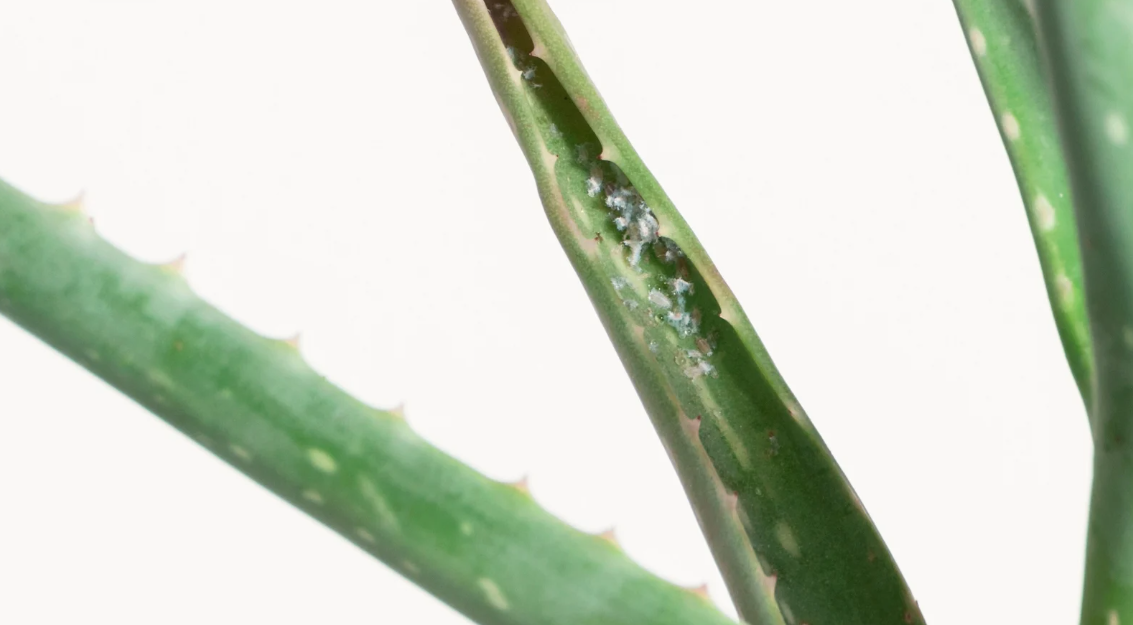
Sticky leaves on Aloe Vera are fairly easy to spot. You’ll notice a glossy, shiny film on the surface of the leaves that feels tacky or greasy to the touch. Often, you might see a faint, translucent residue or even smudges that resemble glue or honey. In some cases, the sticky substance is accompanied by dirt accumulation or a mold-like growth caused by excess moisture or pests.
Common causes overview: pests, sap exudation, environmental factors
Understanding why the leaves become sticky helps in choosing the right treatment plan:
- Pests: Small insects like mealybugs, scale insects, or aphids feed on plant sap and secrete a sticky residue called honeydew.
- Sap exudation: Aloe Vera naturally produces a sticky, mucilaginous sap, which can sometimes seep out from cuts, damage, or stressed areas.
- Environmental factors: Overwatering, excessive humidity, or poor airflow can cause fungal issues, mold, or encourage pest infestations leading to sticky surfaces.
Section 2: Diagnosing the Exact Cause
To effectively fix Aloe Vera sticky leaves, it’s crucial to identify the exact reason behind it.
Cause 1: Sap Sucking Pests (e.g., Mealybugs, Scale Insects)
Signs to look for:
- Tiny white, cottony, or waxy insects clustered on leaves or at the base
- Sticky honeydew coating the leaves
- White or black sooty mold growing on the sticky residue How to confirm: Gently inspect the undersides and joints of the leaves for moving pests or waxy coatings. Use a magnifying glass if needed.
Cause 2: Excessive Sap Exudation from Cuts or Damage
Signs to look for:
- Sticky, clear or yellowish liquid oozing from injured areas
- Fresh cuts or scars on the leaves or stem
- No pests present, but persistent sticky residue How to confirm: Check for recent pruning or accidental damage. Are the leaves or stem wounded? If yes, the exudation is likely a natural repair response.
Cause 3: Environmental Stress or Overwatering
Signs to look for:
- Mold or mildew formation due to excess moisture
- Wilting or soft, rotting leaf tissue
- Clusters of pests thriving in humid conditions How to tell which cause applies: Assess your plant’s recent care routine—has it been overwatered? Is it located in a poorly ventilated area? Check also for pest presence.
Section 3: Treatment Solutions
Once you pinpoint the cause, follow tailored remedies for effective fixing.
Immediate actions: isolating the plant, removing pests, cleaning leaves
- Isolate your Aloe Vera: Keep it away from other plants to prevent the spread of pests.
- Remove visible pests: Use a soft brush or cotton swab dipped in alcohol to gently wipe off mealybugs or scale insects.
- Clean the leaves: Gently wipe the sticky surface with a damp cloth or sponge to remove residue and improve airflow.
Natural remedies: Neem oil, insecticidal soap, rubbing alcohol
- Neem oil solution: Mix 1 teaspoon of neem oil with 1 liter of water and a few drops of mild dish soap. Spray this onto the affected leaves every few days until pests are gone.
- Insecticidal soap: Purchase a commercial product or make your own by mixing gentle dish soap with water. Spray directly onto pests and sticky areas.
- Rubbing alcohol: Dampen a cotton swab with isopropyl alcohol and carefully target pests or sticky patches. This helps dissolve pest wax and reduces infestations.
Chemical options: appropriate pesticides if needed
If natural methods don’t work, consider applying a mild pesticide labeled safe for succulents. Always read labels carefully and avoid overuse to prevent damage.
Long-term care: proper watering, pruning damaged areas, adjusting lighting
- Water only when the soil is dry and use well-draining soil to prevent overwatering.
- Prune away severely damaged or moldy leaves to improve airflow.
- Ensure your Aloe Vera receives bright, indirect sunlight for optimal health.
- Adjust humidity levels or improve ventilation if you notice mold or fungal growth.
Recovery expectations and when to seek professional help
With diligent care, your Aloe Vera should clear up the sticky residue within a few weeks. If no improvement occurs, or if the plant shows signs of severe rot or damage, consult a local horticulturist or plant specialist.
Section 4: Prevention Tips
Prevention is always better than cure. Follow these habits to keep your Aloe Vera healthy and pest-free:
- Maintain a consistent care routine: Water sparingly, clean leaves regularly, and check for pests.
- Provide ideal environmental conditions: Bright light, good airflow, and moderate humidity help prevent pest outbreaks and fungal issues.
- Monitor your plant: Regularly inspect the leaves for early signs of pests or stress, catching issues before they escalate.
- Use healthy soil and avoid overwatering: Well-draining soil prevents excess moisture, reducing mold and pest problems.
Conclusion
Sticky leaves on Aloe Vera are a common concern, but with the right diagnosis and targeted treatment, you can restore your plant’s health. Whether caused by pests, sap exudation, or environmental stress, each issue has practical solutions that are easy to implement. Remember, patience and consistent care are key. Start by inspecting your Aloe Vera closely, identify the cause of the sticky residue, and follow the tailored steps discussed. With proper attention, your Aloe Vera can recover beautifully, continue to purify your space, and bring vibrant greenery into your home. Your plant’s health is within your control—happy gardening!
FAQ
Q: How long does it take for Aloe Vera leaves to stop being sticky after treatment?
A: Typically, you may notice relief within 1 to 2 weeks after addressing the cause, such as pest removal or environmental adjustments. Complete recovery, including the disappearance of residue and improved leaf health, may take up to a month with consistent care.
Q: Can I save my Aloe Vera if the leaves are severely damaged?
A: Yes, in many cases, you can save a severely damaged Aloe Vera by pruning the affected leaves, preventing infection, and improving environmental conditions. Focus on fostering new, healthy growth from the base.
Q: What are the safest pest control methods for Aloe Vera around pets and children?
A: Natural remedies like neem oil, insecticidal soap, and rubbing alcohol are generally safe when used correctly. Always apply these treatments in well-ventilated areas and keep the plant out of reach of children and pets until the solution dries completely.
Take action today to diagnose and fix your Aloe Vera’s sticky leaves, and enjoy the satisfaction of nurturing a healthy, thriving plant!