Quick Summary: If your Monstera deliciosa is growing tall and sparse with stretched-out stems, don't worry—this is a common issue. With some simple adjustments to light, pruning, and care, you can encourage your plant to become bushier and healthier again.
Introduction
Noticing your Monstera deliciosa growing taller and spindly? You're not alone, and it’s a concern many indoor plant lovers face. Over time, it can be upsetting to see your lush, full Monstera stretch out and lose its dense, vibrant look. The good news is, this leggy growth is usually fixable with a few tweaks in how you care for your plant. Understanding why your Monstera is growing this way is the first step toward restoring its beauty. Whether it’s a matter of lighting, nutrition, or natural growth habits, you can bring it back to a fuller, more vigorous state. In this guide, I’ll walk you through recognizing the causes of leggy growth, diagnosing what’s happening with your plant, and providing easy, practical solutions—so you can enjoy a healthy and lush Monstera again. Don’t worry—patience and some simple adjustments will get your plant thriving in no time.
Section 1: Understanding the Problem
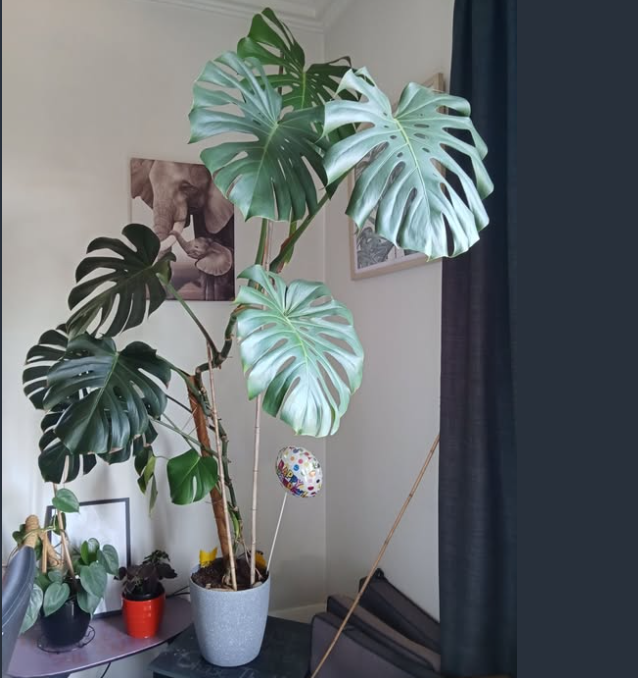
Leggy growth in Monstera deliciosa appears as tall, sparse stems with long spaces between leaves. Instead of a dense, bushy look, your plant looks like it’s reaching for sunlight, with stems stretching out and leaves appearing smaller or further apart. This stretching behavior is actually your plant's way of trying to find better light conditions.
Visual Identification:
- Tall, thin stems with few leaves
- Leaves spaced widely apart along the stem
- Overall sparse canopy
- A plant that looks "stretched out" vertically
Common Causes Overview:
- Inadequate light: Monsteras love bright, indirect sunlight. Without enough, they stretch toward the nearest light source.
-
Over or under-fertilizing: Imbalanced feeding can affect how the plant grows, sometimes leading to weak, elongated stems.
-
Natural growth habit: If you haven't pruned or supported your Monstera, it might naturally grow tall, especially in a low-light setting. Understanding which of these factors is influencing your plant will help you choose the right corrective actions.
Section 2: Diagnosing the Exact Cause
To effectively fix your Monstera deliciosa’s leggy growth, you'll need to find out what's causing it. Use this step-by-step diagnostic process:
Cause 1: Insufficient Light
Monsteras thrive in bright, indirect sunlight for at least 4-6 hours daily. If your plant is placed in a shaded corner or behind curtains, it will stretch toward the light, resulting in tall, spindly stems. How to confirm:
- Observe the placement: Is it distant from windows or in low-light zones?
- Check leaf color: Pale or small leaves can signal too little light.
Cause 2: Overly Fertilized or Underfed
Too much fertilizer, especially high in nitrogen, can lead to rapid, weak, elongated growth. Conversely, nutrient deficiency stalls healthy leaf and stem development, making your Monstera appear spindly. How to confirm:
- Review your fertilization routine: Are you feeding too often or with a high-nitrogen fertilizer?
- Check leaf health: Yellowing or dull leaves may suggest nutrient issues.
Cause 3: Natural Growth Habit
Some Monsteras tend to grow tall if left unpruned, especially in low-light conditions. Without regular trimming, they can develop a leggy, sparse look despite proper light. How to confirm:
- Are you pruning your plant regularly?
- Is the plant in a low-light spot? Natural habit can be exaggerated by environmental factors.
How To Tell Which Cause It Is:
- Check the light: Is your plant in a bright, filtered spot? If not, inadequate light is likely.
- Examine fertilization history: Are you feeding on a regular, balanced schedule?
- Assess pruning routine: Has your Monstera been trimmed recently? Is it in a dim corner?
By ruling out or confirming these factors, you can identify the primary cause and tailor your actions accordingly.
Section 3: Treatment Solutions
Once you've diagnosed the reason for your Monstera's leggy growth, here are targeted solutions to bring it back to a fuller, healthier state:
Immediate Actions (First 24-48 Hours)
-
Relocate to Bright, Indirect Light:
-
Move your Monstera closer to a window with bright, filtered sunlight.
- If natural light is limited, consider installing grow lights—aim for 12-16 hours daily for optimal growth.
-
Check and Adjust Watering:
-
Ensure your plant isn't over- or underwatered, as stress can inhibit healthy growth. Water only when the top inch of soil feels dry.
Long-Term Treatment
- Prune Leggy Stems:
- Use clean, sharp pruning shears.
- Cut just above a node (where the leaf meets the stem) on the tall, sparse stems.
-
This stimulates the plant to produce new growth from lower nodes, encouraging bushiness.
-
Adjust Fertilizer Routine:
- Use a balanced, water-soluble fertilizer (e.g., 20-20-20) during the active growing season, about once every 4-6 weeks.
- Avoid over-fertilizing to prevent weak, sprawling growth.
- Support Tall Stems:
- Use stakes or plant supports to keep stems upright and promote better air circulation and growth.
Additional Care Tips
- Be patient: Visible results can take 4-6 weeks.
- Watch for pest issues or fungal problems if your plant shows other signs of stress.
- Consider root pruning if roots are crowded or underwhelmed, but only if necessary and carefully. Pro Tip: Consistent pruning not only prevents further legging but also encourages lateral growth, creating a fuller, more lush plant over time.
Section 4: Prevention Tips
Prevention is better than cure! Keep your Monstera deliciosa thriving and bushy with these simple practices:
- Maintain Bright, Indirect Light: Aim for at least 4-6 hours daily; use sheer curtains or placement near east or west-facing windows.
- Rotate Your Plant Regularly: Turn the pot every couple of weeks to encourage uniform growth.
- Avoid Over-Fertilizing: Stick to a balanced schedule; excess nutrients can weaken stems.
- Prune Regularly: Remove any dead or overly elongated stems promptly.
- Utilize Grow Lights: Especially in winter or low-light homes, supplement with grow lights to prevent stretchiness.
- Consistent Watering Schedule: Water thoroughly when the top inch of soil feels dry, usually once a week. By creating a stable environment with ample light and balanced nutrition, your Monstera will develop a lush, dense canopy naturally.
Frequently Asked Questions
Q: How long until I see improvement after fixing the light or pruning?
A: Typically, you can notice new, healthier growth in 4-6 weeks. Be patient and consistent with your care routine.
Q: Can I prune my Monstera to make it more bushy?
A: Absolutely! Pruning stimulates lateral growth and helps shape the plant. Cut just above a node on leggy stems and remove unwanted or weak growth.
Q: Should I use grow lights to prevent leggy growth?
A: Yes, especially if natural sunlight is limited. Grow lights mimic sunlight and promote compact, healthy growth, reducing the likelihood of legginess.
Conclusion
Key Takeaways:
- Leggy Monstera deliciosa is commonly caused by insufficient light or natural growth habits.
- Moving your plant to a brighter spot, pruning, and adjusting fertilization are effective remedies.
- Regular care, pruning, and providing proper lighting prevent legginess and ensure a lush, full plant. Remember, patience and gentle adjustments are your best tools. Your Monstera can bounce back beautifully with a little love and attentive care. Start by assessing your light conditions and pruning any overly tall stems today. Keep monitoring and fine-tuning your routine to enjoy a vibrant, bushy Monstera for years to come!