Struggling with yellow leaves on your Philodendron? Don't worry—you're not alone. Many plant enthusiasts, whether new or experienced, encounter this issue. Fortunately, yellowing leaves can often be remedied with simple understanding and care adjustments. In this guide, we'll explore the root causes of yellow leaves, how to diagnose the problem accurately, and effective solutions to restore your Philodendron’s lush, vibrant foliage.
With some attentive care, your plant can bounce back healthily. Let’s dive into what’s happening with your plant and how you can fix it.
Section 1: Understanding the Problem
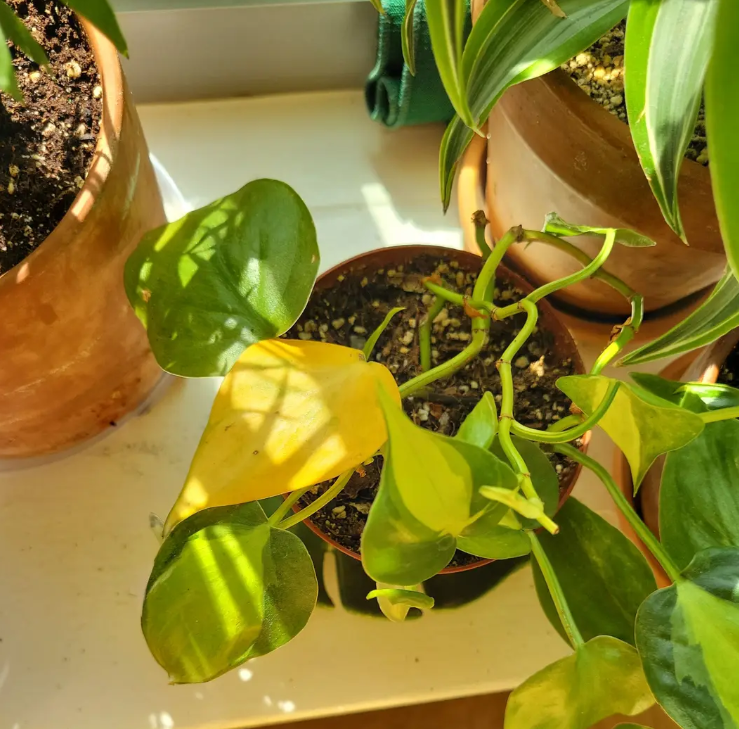
Visual Identification of Yellow Leaves
Yellow leaves on a Philodendron are usually easy to spot. They might appear as:
- Entire leaves turning yellow from the edges inward
- Older leaves at the bottom of the plant showing signs of yellowing first
- Patches of yellow streaks or spots that spread over time These visual clues can help you determine whether your plant is experiencing a minor issue or something that needs immediate attention.
Common Causes Overview
Yellowing leaves can be caused by several factors, including:
- Watering problems: Overwatering or underwatering
- Lighting conditions: Too little or too much light
- Nutrient deficiencies: Lack of essential nutrients
- Pests and diseases: Infestations or infections damaging the plant Understanding these causes lays the foundation for diagnosing and fixing the problem effectively.
Section 2: Diagnosing the Exact Cause
Follow a Step-by-Step Diagnostic Process
Getting to the root of the yellow leaves involves a careful inspection and process of elimination.
Cause 1: Overwatering Leading to Root Rot
- Symptoms: Soft, brown, or soggy roots; foul smell from the soil
- Signs on leaves: Yellowing starting from the lower leaves, wilting despite moist soil
Cause 2: Insufficient Light Causing Stress
- Symptoms: Pale, leggy growth; yellowing leaves, especially on the lower parts
- Signs on plant: Stretching towards light sources and dull foliage
Cause 3: Nutrient Deficiencies or Imbalance
- Symptoms: Old leaves turn yellow first; new leaves may be small or discolored
- Signs on plant: Lack of vibrant green color overall
How to Tell Which Cause Applies to Your Plant
- Inspect the roots: Carefully remove the plant and examine the roots. Healthy roots are white and firm; rotten roots are brown and mushy.
- Check the light exposure: Is the plant placed in a low-light corner, or is it under direct, harsh sunlight?
- Assess fertilization routine: Has it been a long time since your Philodendron was fed? Are leaves showing dullness or uneven coloration? By gathering this information, you can better target your care efforts.
Section 3: Treatment Solutions
Apply Targeted Remedies Based on Diagnosed Cause
Immediate Actions
- Adjust watering: Allow the top inch of soil to dry out before watering again. Ensure your pot has drainage holes to prevent water pooling.
- Improve lighting: Move your Philodendron to a brighter spot with indirect sunlight. Avoid harsh direct sun that can scorch leaves.
- Fertilize properly: Use a balanced, water-soluble houseplant fertilizer every 4-6 weeks during the growing season.
Long-term Treatment Plan
- Repotting: If root rot is suspected, repot your plant into fresh, well-draining soil. Trim off any rotten roots before replanting.
- Pruning: Remove yellowed or damaged leaves to encourage new, healthy growth.
- Consistent care routine: Establish a regular watering and feeding schedule to maintain plant health.
Monitoring Recovery
- Signs of improvement: New growth appears healthy and vibrant; yellow leaves gradually recover or turn green again.
- When to seek further help: If yellow leaves persist despite care adjustments, consult a plant expert or local nursery for specialized advice.
Section 4: Prevention Tips
Maintaining a healthy Philodendron involves proactive care:
- Consistent watering schedule and proper drainage: Water only when the top inch of soil is dry; always use pots with drainage holes.
- Optimizing light conditions: Place your plant in bright, indirect light, avoiding direct afternoon sun which can burn leaves.
- Feeding with balanced fertilizer: During the active growing season, fertilize every 4-6 weeks to prevent deficiencies.
- Regular inspection for pests and diseases: Check leaves and soil surface weekly for signs of pests like spider mites, mealybugs, or diseases. By following these preventative tips, you can significantly reduce the chances of yellow leaves developing and keep your Philodendron healthy and thriving.
Conclusion
Addressing yellow leaves on your Philodendron involves understanding their causes, diagnosing accurately, and applying tailored solutions. Whether it’s adjusting watering habits, improving lighting, or providing proper nutrition, each step can help your plant recover and flourish. Remember, with attentive care and some patience, your Philodendron can regain its vibrant, lush appearance. Start by diagnosing the specific cause, make necessary adjustments, and monitor progress. Your indoor jungle is worth the effort!
FAQ
Q: How long until I see improvement after fixing the problem?
A: Typically, you may start noticing signs of recovery within a few weeks. New leaves should appear healthy and vibrant, and yellow leaves may gradually yellow and fall off. Patience is key, as plants take time to recover.
Q: Can my Philodendron fully recover from yellow leaves?
A: Often, yes. If the cause was properly diagnosed and corrected early, the plant can bounce back, producing new, healthy foliage. However, if the yellowing has been severe or prolonged, some damage may be permanent.
Q: Should I prune the yellowed leaves or leave them?
A: It's generally best to prune yellow or damaged leaves. Removing them promotes better air circulation and redirects the plant’s energy toward healthy growth. Use clean, sharp scissors to trim close to the base.
By understanding the causes and applying practical solutions, you’ll be well-equipped to fix Philodendron yellow leaves and restore your plant’s vitality. Happy gardening!