Discover why your Aloe Vera is growing leggy and learn effective tips to encourage healthy, compact growth with easy care fixes and prevention strategies.
Introduction
Noticing your Aloe Vera stretching and becoming leggy can be concerning, especially if you’re aiming for a lush, compact indoor plant. Fortunately, this is a common issue faced by many plant enthusiasts, and it’s often simple to fix. Whether your Aloe Vera is reaching for the light or showing signs of other stress, understanding the underlying causes is the first step toward restoring its health. This article will explore why Aloe Vera develops leggy growth, how to diagnose the exact cause, and practical solutions to help your plant regain its robust, attractive form. With some adjustments to your care routine, your Aloe Vera can thrive indoors, becoming a beautiful, low-maintenance addition to your home.
Section 1: Understanding the Problem
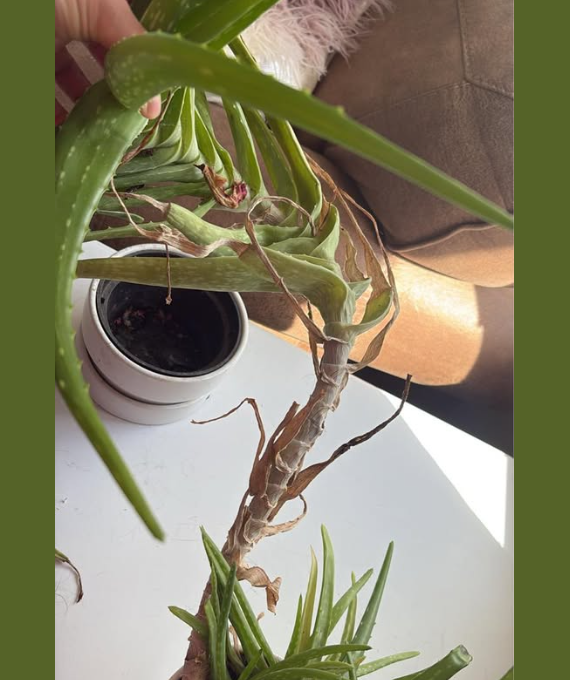
What Does Leggy Growth Look Like?
Leggy Aloe Vera plants are characterized by:
- Stretched, elongated stems that appear thin and sparse
- Leaves that are spaced far apart, giving the plant a sparse or "stretched out" appearance
- Weak stems that may bend or lean due to lack of support
- Overall lack of bushiness and a less vibrant, healthy look
Why Does Aloe Vera Grow Leggy?
Leggy growth in Aloe Vera occurs mainly because the plant is trying to reach for more light or is under stress from environmental conditions. When Aloe Vera doesn't receive enough light, it instinctively elongates its stems in search of brighter spots, resulting in a leggy appearance. Other factors like overwatering, poor soil drainage, or nutrient deficiencies can weaken the plant’s structure, further contributing to elongated, unhealthy growth.
Section 2: Diagnosing the Exact Cause
To effectively treat leggy Aloe Vera growth, you need to identify the root cause. Here’s a step-by-step guide:
Cause 1: Insufficient Light
Aloe Vera thrives in bright, direct sunlight for at least 6 hours a day. Without enough light, the plant stretches out to find more, leading to leggy stems.
Cause 2: Overwatering or Poor Drainage
Excess moisture weakens the plant’s roots and stems, making it more prone to elongation and general weakness. Aloe Vera prefers well-draining soil and infrequent watering.
Cause 3: Nutrient Deficiencies
Lack of essential nutrients, especially nitrogen, can cause weak, elongated stems as the plant struggles to grow healthily.
How to Tell Which Cause Applies to Your Plant:
- Observe the light exposure: Is your Aloe Vera placed in a sunny window or a shaded spot?
- Check watering habits: Is the soil constantly moist or soggy?
- Assess overall plant health: Are the leaves dull, soft, or lacking vibrancy? Is the soil nutrient-rich? By examining these factors, you can pinpoint whether light, watering, or nutrition is the primary issue.
Section 3: Treatment Solutions
Once you've diagnosed the cause, implementing the right fixes can help your Aloe Vera regain its compact, lush form.
Immediate Actions
- Move your Aloe Vera to a brighter spot: Place it near a south or west-facing window where it can receive at least 6 hours of direct sunlight daily.
- Ensure proper watering: Water only when the top inch of soil feels dry. During the growing season (spring and summer), watering once every 2-3 weeks is usually sufficient.
- Use appropriate fertilizer: During active growth, feed your Aloe Vera with a balanced cactus or succulent fertilizer diluted to half strength every 4-6 weeks.
Repotting and Soil Care
- Repot if necessary: If roots are crowded or soil is degraded, transfer your Aloe Vera into a slightly larger pot with well-draining cactus or succulent soil mix.
- Improve drainage: Use pots with drainage holes and add sand or perlite to the soil to prevent water retention.
Long-term Care
- Maintain consistent light, watering, and fertilization routines.
- Rotate the plant periodically to promote even growth and prevent leaning toward the light.
- Monitor environmental conditions such as temperature and airflow, ensuring they remain within suitable ranges (ideally 65-80°F with good ventilation).
Recovery Expectations
Most Aloe Vera plants will start showing signs of improved growth within a few weeks of adjusting care. Be patient and consistent, and your Aloe Vera will gradually regain its healthy, compact appearance.
Section 4: Prevention Tips
Prevention is always better than cure. Here are some tips to keep your Aloe Vera from becoming leggy again:
- Provide ample sunlight: Ensure your plant receives at least 6 hours of direct sunlight daily. If indoors, consider supplementing with grow lights if natural light is insufficient.
- Use well-draining soil and pots: Proper soil and drainage prevent overwatering and root rot.
- Water wisely: Stick to a regular watering schedule based on soil dryness, avoiding overwatering at all costs.
- Rotate regularly: Turn your plant every few days to promote even growth and prevent leaning.
- Fertilize appropriately: During the active growing season, feed with a diluted succulent fertilizer; cut back in winter.
- Control environmental factors: Keep your Aloe Vera in a warm spot with good airflow and avoid sudden temperature drops.
Conclusion
Addressing leggy Aloe Vera growth involves a combination of providing adequate light, proper watering, and balanced nutrition. By understanding the causes and applying targeted solutions, you can help your Aloe Vera regain its lush, compact form and ensure it remains a vibrant part of your indoor plant collection. Start by assessing your plant’s current environment—check the light exposure and watering routine—and then implement the recommended adjustments. With patience and consistent care, your Aloe Vera will thrive and continue to bring natural beauty and health benefits into your home.
FAQ
Q: How long until I see improvement after fixing the light conditions?
A: Usually, you can expect to see noticeable improvements within 2 to 4 weeks. The plant will start producing more compact growth and may even develop new, healthy leaves. Consistency is key—ensure your Aloe Vera receives enough sunlight daily.
Q: Can I prune the leggy stems to encourage bushier growth?
A: Yes, pruning leggy stems is an effective way to promote bushier growth. Use clean, sharp scissors or pruning shears to trim the elongated stems just above a healthy leaf or node. This encourages the plant to focus energy on developing new, denser growth.
Q: What if my Aloe Vera continues to grow leggy despite care adjustments?
A: If the problem persists, double-check your environmental conditions, especially light and watering. Consider repotting into fresh, well-draining soil and ensuring the pot has proper drainage. Sometimes, moving the plant to a different location with more light or increasing light exposure with grow lights can make a significant difference.
By following these practical tips and understanding your Aloe Vera’s needs, you can enjoy a healthy, thriving plant that adds natural beauty to your indoor space. Happy gardening!