Noticing white fuzz on your Jade Plant can be worrying, but you're not alone—and it's usually manageable. Many plant enthusiasts encounter this issue at some point, especially when caring for indoor succulents like Jade. The good news is that with a little knowledge and proper care, you can diagnose the problem correctly and take effective steps to restore your plant's health. This article will guide you through understanding what causes white fuzz on your Jade Plant, how to accurately diagnose the problem, and practical solutions to eliminate it. Plus, you'll find helpful prevention tips to keep your plant vibrant and free of that unwelcome white coating in the future. Rest assured—your Jade Plant can recover and thrive with the right approach.
Section 1: Understanding the Problem
Visual identification of white fuzz (powdery or cottony appearance)
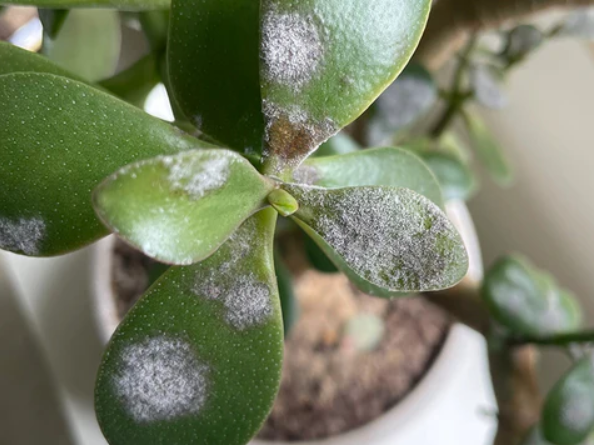
The first step is recognizing what the white fuzz actually looks like on your Jade Plant. Commonly, this appears as:
- A powdery, white or grayish coating that covers leaves or stems, similar to chalk dust.
- A cottony, soft, and fluffy substance that might look like tiny tufts of wool or cotton balls.
- Sometimes, the fuzz is localized on certain areas, while in other cases, it spreads across the entire plant. Identifying whether it's a fine powder or a fuzzy, cottony substance helps narrow down the potential causes.
Common causes overview: fungal infections, mealybugs, or other pests
Several issues can produce white fuzz on plants, but the most common are:
- Fungal infections, such as powdery mildew, which creates a superficial white powder.
- Pest infestations, specifically mealybugs or other soft-bodied pests, which often produce white, cottony-looking wax or excretions.
- Less commonly, environmental factors, like excess humidity or poor air circulation, can foster fungal growth. Understanding these distinctions is crucial to choosing the right treatment.
Section 2: Diagnosing the Exact Cause
Follow a step-by-step process to determine whether it's a fungal issue or pest infestation
Accurate diagnosis is key. Here's how you can determine what’s affecting your Jade Plant:
Cause 1: Fungal infection (e.g., powdery mildew)
- Look for a dry, powdery white coating that can be easily brushed off.
- Typically appears in humid, poorly ventilated environments.
- The fuzz won't be sticky or squishy but powdery to the touch.
Cause 2: Mealybugs or soft-bodied pests with cottony or fuzzy appearance
- Check for small, soft, white or grayish insects hiding in leaf axils or on stems.
- The white fuzz here often feels sticky or greasy due to honeydew secretion.
- You might notice slow growth or yellowing of leaves.
Cause 3: Environmental factors or other pests
- Excess moisture, poor airflow, or previous pest damage can also lead to fungal growth or other issues.
How to tell which one it is: visual cues and diagnostic tips
- Gently brush the fuzzy area with your finger or a soft brush.
- If it brushes away easily and leaves a powdery residue, it's likely powdery mildew.
- If you see tiny insects or sticky excretions, mealybugs are likely the cause.
- Use a magnifying glass for better inspection and look for the insects themselves or their remnants.
Section 3: Treatment Solutions
Apply targeted remedies based on diagnosis, combining natural and chemical methods for optimal recovery
Once you've identified the cause, take specific action:
Immediate actions to take
- Remove affected leaves or stems to prevent spread.
- Isolate your Jade Plant from other houseplants.
Natural remedies
- Neem oil: Dilute according to package instructions and spray on affected areas. Neem oil is effective against pests and fungi.
- Insecticidal soap: Spray on pests like mealybugs, especially on the undersides of leaves.
- Hydrogen peroxide solution: Mix one part hydrogen peroxide (3%) with two parts water and gently spray to kill fungal spores.
Chemical options if necessary
- Use fungicides labeled for indoor plants for powdery mildew.
- Insecticidal sprays suitable for indoor use can effectively eliminate pests. Safety reminder: Always follow label instructions carefully and keep the plant in a well-ventilated area when applying chemicals.
Long-term treatment plan
- Continue monitoring the plant regularly.
- Maintain adequate airflow and avoid overwatering to prevent fungal problems.
- Adjust humidity levels—succulents prefer dry conditions.
What to expect during recovery
- Improved appearance, with fuzz disappearing within a week or two.
- New, healthy growth indicates recovery.
- If no improvement occurs, consider consulting a local plant specialist or professional.
Section 4: Prevention Tips
Implement preventative care to keep white fuzz at bay
Prevention is always better than cure. Here are some tips:
Maintain balanced watering and humidity levels
- Water your Jade Plant sparingly, allowing soil to dry completely between watering.
- Avoid overwatering, which fosters fungal growth.
Improve air circulation around the plant
- Place your Jade in a spot with good airflow.
- Use a small fan if necessary, especially in humid indoor environments.
Regular inspection and early pest detection
- Check your plant weekly for signs of pests or fungal growth.
- Early intervention prevents large infestations.
Proper watering and soil care to prevent fungal growth
- Use well-draining soil designed for succulents.
- Water from the bottom if possible, avoiding water on leaves.
Using preventive treatments like neem oil periodically
- Spray neem oil every month or two, especially during humid seasons, to deter pests and fungal spores.
Conclusion
In summary, white fuzz on your Jade Plant is often manageable once you identify whether it's a fungal infection, pest infestation, or environmental issue. With proper diagnosis, targeted treatment, and preventive care, your Jade Plant can recover beautifully. Remember, patience and consistency are key in plant care. Don’t worry—your Jade Plant is resilient, and with the right steps, it will flourish once again. Follow the diagnostic process, choose suitable remedies, and adopt good maintenance habits to keep your plant healthy and vibrant.
FAQ
Q: How long until I see improvement after treatment?
A: Typically, you can expect to see noticeable improvements within 1-2 weeks. Leaf cleaning, pest removal, and proper environmental adjustments accelerate recovery. Continue observing your plant regularly to ensure the problem doesn't reoccur.
Q: Will my Jade Plant fully recover from white fuzz?
A: Yes, if caught early and treated properly, most Jade Plants recover fully. Severe or prolonged infections might cause some lasting damage to leaves or stems, but new growth usually emerges healthy.
Q: Should I prune parts of my Jade Plant affected by white fuzz?
A: Yes, carefully prune away heavily affected or infected sections to prevent spread. Use clean, sharp scissors or pruning shears, and disinfect them afterward to avoid transferring pathogens.
Remember: Caring for your Jade Plant requires a gentle touch and attentive observation. By understanding what causes white fuzz and applying the right solutions, you can ensure your plant remains a beautiful, thriving addition to your indoor garden.