Noticing your Anthurium's leaves becoming soft can be worrying, but rest assured, this issue is often fixable with proper care. Soft, limp leaves are a common concern among indoor plant enthusiasts, especially those new to caring for Anthuriums. Fortunately, understanding the root causes and applying targeted solutions can help your plant bounce back to health. This article will guide you through identifying the problem, diagnosing its cause accurately, and implementing effective remedies to restore your Anthurium’s vibrant, healthy foliage. With patience and attentive care, your plant can recover and thrive again.
Section 1: Understanding the Problem
Soft leaves in Anthuriums are usually a sign that something in the plant’s environment or care routine isn't quite right. These limp, sagging, or drooping leaves often indicate an issue affecting the plant’s water balance, nutrient absorption, or overall health.
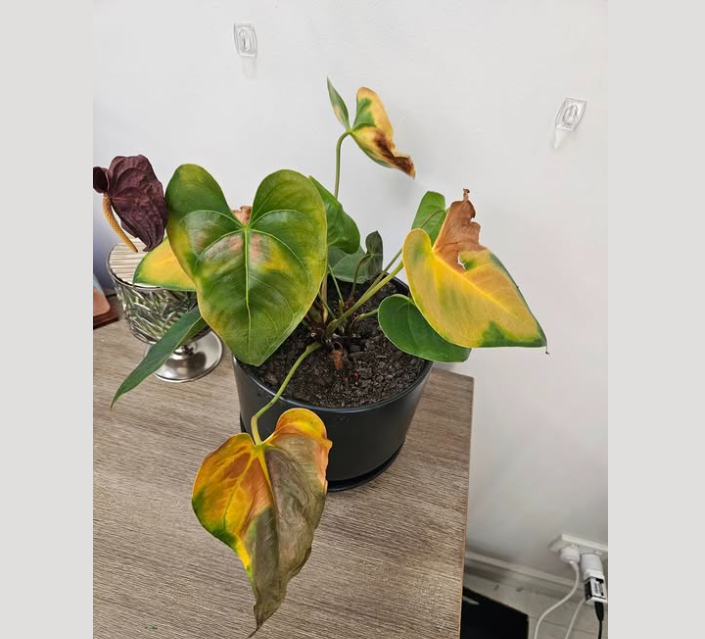
Visual identification: limp, sagging, or drooping leaves
Soft leaves tend to feel limp and may hang downward more than usual. You might notice that the leaves lose their firm, upright posture and appear wilted, even if the soil seems adequately moist. In some cases, the leaves may feel mushy or waterlogged, indicating underlying problems.
Common causes overview: overwatering, underwatering, pests, or diseases
The primary causes of soft leaves include:
- Overwatering, leading to root rot and poor water uptake
- Underwatering, causing dehydration and moisture deficiency
- Pest infestations or plant diseases that weaken leaf tissue
- Environmental stressors, such as improper lighting or humidity Understanding which of these factors is affecting your Anthurium is crucial for effective treatment.
Section 2: Diagnosing the Exact Cause
Follow these steps to accurately diagnose why your Anthurium has soft leaves:
Cause 1: Overwatering leading to root rot
Overwatering is a common mistake. Excess water can suffocate roots, leading to root rot, which impairs water and nutrient absorption, causing leaves to become limp and soggy.
Cause 2: Underwatering causing dehydration
Conversely, underwatering results in insufficient moisture reaching the leaves, making them wilt and feel limp due to dehydration.
Cause 3: Pest infestation or disease affecting leaf health
Pests such as mealybugs, aphids, or scale insects can weaken leaf tissues. Diseases like bacterial or fungal infections can also cause soft, discolored, or spotty leaves.
How to tell which one it is: diagnostic tips and signs to observe
- Check the soil moisture: Feel the top inch of soil. If it’s soggy and stays wet for days, overwatering is likely. If it’s dry and crumbly, underwatering may be the culprit.
- Inspect the roots: Carefully remove the plant from its pot. Healthy roots are white and firm; black, brown, or mushy roots indicate root rot.
- Look for pests: Examine the undersides of leaves and stems for tiny insects, sticky residues, or webbing.
- Assess leaf appearance: Discolored spots, holes, or sticky exudates can point to pests or disease. Accurate diagnosis sets the foundation for effective treatment.
Section 3: Treatment Solutions
Once you've identified the cause, take targeted action:
Immediate actions: adjust watering, inspect roots, remove pests
- Adjust watering: Water your Anthurium only when the top inch of soil feels dry. Ensure excess water drains freely.
- Inspect and trim roots: If root rot is present, carefully trim away blackened or mushy roots with sterilized scissors. Discard severely affected plants if necessary.
- Remove pests: Use insecticidal soap, neem oil, or manual removal to eliminate pests. Isolate the plant to prevent spread.
Long-term treatment plan: repotting, improving drainage, pest control methods
- Repot if necessary: Use a well-draining potting mix designed for tropical plants. Choose a pot with drainage holes.
- Improve drainage: Add perlite or orchid bark to the soil to enhance aeration.
- Implement pest control: Continue regular inspections and treatment, and consider natural remedies like neem oil for prevention.
Expected recovery timeline and signs of improvement
- Initial signs: Within a few days to a week, you may notice the leaves firming up if dehydration was corrected.
- Full recovery: New healthy leaves should emerge within 4-6 weeks, indicating your plant is on the mend.
Section 4: Prevention Tips
Prevention is key to avoiding future issues with soft leaves. Adopt these best practices:
Care routine adjustments: watering schedule, fertilization, pruning
- Establish a consistent watering routine: Water when the top inch of soil is dry.
- Fertilize appropriately: Use a balanced, diluted fertilizer during the growing season to promote healthy foliage.
- Prune damaged leaves: Remove any severely wilted or damaged leaves to encourage new growth and prevent disease.
Environmental factors to monitor: humidity, light, potting medium
- Maintain adequate humidity: Anthuriums thrive in humidity levels of 60-80%. Use a humidifier or mist regularly.
- Provide proper lighting: Bright, indirect sunlight prevents stress and promotes healthy growth.
- Use suitable potting medium: A loose, well-draining mix prevents waterlogging and supports root health.
Conclusion
Addressing soft leaves in your Anthurium involves a careful diagnosis of watering practices, pests, or diseases, and applying the appropriate treatment. By adjusting your care routine, inspecting and treating the roots and pests, and providing an optimal environment, you can help your plant recover and regain its lush, vibrant appearance. With attentive care and patience, your Anthurium can bounce back and become a beautiful centerpiece in your indoor garden. Start by implementing the diagnostic steps, trying the recommended remedies, and closely monitoring your plant’s response. Your efforts will pay off when you see those healthy, firm leaves shining again.
Q: How long until I see improvement after treatment?
A: Typically, you can expect to see initial signs of recovery within a few days to a week, such as leaves firming up or new growth beginning. Complete recovery, including new healthy leaves, usually takes about 4-6 weeks.
Q: Can my plant fully recover from root rot or pest damage?
A: Yes, with prompt and proper treatment, many Anthuriums can fully recover from root rot or pest infestations. However, severe root damage may limit the plant’s ability to bounce back, so early intervention is crucial.
Q: Should I prune all soft or damaged leaves or only the severely affected parts?
A: It’s best to prune only the severely damaged or mushy leaves to prevent disease spread and encourage new healthy growth. Leave slightly wilted but healthy leaves intact to support the plant’s recovery.
Taking these steps with care and patience, you'll be well on your way to restoring your beloved Anthurium’s health. Happy gardening!