Discover why your Philodendron is covered in white fuzz, identify the cause, and learn effective treatment and prevention tips to keep your plant healthy.
Introduction
Noticing a strange white fuzz on your Philodendron can be quite alarming—your beautiful houseplant suddenly looks less healthy and vibrant. You're probably wondering: Why is my Philodendron having white fuzz? Is it a sign of disease, pests, or environmental trouble?
Rest assured, you're not alone. Many indoor plant enthusiasts encounter this issue, especially with the increasing popularity of Philodendrons as easy-care, lush indoor greens. The good news is, with some careful observation and the right care, you can find the cause and restore your plant’s health.
This article will guide you through understanding what causes white fuzz on your Philodendron, how to accurately diagnose it, and the best strategies to treat and prevent the problem. Keep reading—your plant’s recovery is within reach!
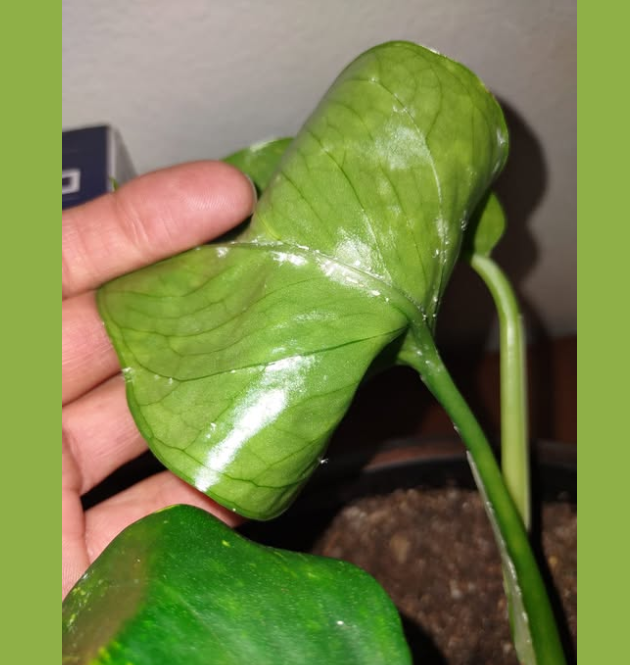
Section 1: Understanding the Problem
Visual identification of white fuzz — cottony or powdery appearance
The white fuzz on your Philodendron can look like soft, cottony patches, powdery coatings, or fuzzy mold growth. Often, it appears on the leaves, stems, or leaf axils. Sometimes, it’s accompanied by sticky residue or small white specs that move when touched.
Common causes overview — pests like mealybugs, fungal infections, or environmental issues
Several factors might cause this white fuzz:
- Pests: Tiny insects such as mealybugs or scale insects produce a white, cottony coating or waxy secretions.
- Fungal infections: Diseases like powdery mildew or mold can manifest as fuzzy, white growths, especially in high humidity.
- Environmental issues: Excess humidity, poor airflow, or overwatering encourage mold or fungal growth, leading to fuzzy patches on your plant. Understanding these causes helps you narrow down the diagnosis and take targeted action.
Section 2: Diagnosing the Exact Cause
Follow diagnostic steps to determine the root problem
Cause 1: Mealybugs or sap-sucking pests
- Signs: Look for tiny, moving white specs, especially on leaf undersides, stems, or nodes. Feel for soft, cotton-like masses.
- Residue: Sticky honeydew may coat the leaves, attracting sooty mold.
Cause 2: Fungal infections like powdery mildew or mold
- Signs: Powdery, fuzzy white or grayish patches mainly on the upper leaf surfaces. These often appear in humid environments.
- Growth: Fungal fuzz feels dry and powdery, unlike the sticky or soft feel of pests.
Cause 3: Environmental factors
- Signs: General fuzziness coupled with moldy smell or dampness on leaves, especially in poorly ventilated spaces.
- Indicators: Excess humidity levels, overwatering, and stagnant air promote mold and fungal growth.
How to tell which cause your plant has
- Visual inspection: Use a magnifying glass or gently brush the fuzz with your finger. Move the fuzz gently; if it fluffs away or tiny specs move, pests are likely.
- Sticky residue: Honeydew suggests pests like mealybugs.
- Fungal feel and appearance: Powdery or fuzzy patches with no visible bugs point toward fungal infection.
- Environmental clues: Persistent dampness or stagnant air favors mold growth.
Section 3: Treatment Solutions
Address each cause with specific remedies
Immediate actions
- Remove visible pests: Gently brush off mealybugs or scale with a soft toothbrush or cloth dampened with water.
- Rinse the plant: Use a gentle spray of water to dislodge pests and remove loose fuzz—preferably outdoors or in a sink.
Natural remedies
- Insecticidal soap: Spray your Philodendron with a commercial or homemade insecticidal soap (1 teaspoon of mild liquid soap in a liter of water). Repeat weekly until pests vanish.
- Neem oil: Dilute neem oil as directed and spray on affected areas to suffocate pests and fungal spores.
- Hydrogen peroxide solution: Mix 3% hydrogen peroxide with water (1 part peroxide to 4 parts water) and gently spray or wipe affected spots to kill fungi.
Chemical treatments
- If pests or fungi persist, consider applying targeted fungicides or pesticides, following the manufacturer’s instructions carefully to avoid damage.
Long-term care
- Improve airflow: Use fans, space your plants, or prune densely growing foliage.
- Adjust watering: Water only when topsoil dries out and avoid overwatering, which fosters mold.
- Maintain proper humidity: Keep humidity levels moderate, around 40-60%, to discourage mold growth.
Recovery process
- Expect some leaf shedding or minor stress initially.
- Your Philodendron will start to heal within a few weeks if treated properly.
- Be consistent with care and monitor regularly for early signs of trouble.
Section 4: Prevention Tips
Reduce future risks and keep your Philodendron healthy
Care routine adjustments
- Inspect your plant regularly—gentle weekly checks can catch issues early.
- Water consistently but avoid overwatering; ensure proper drainage.
- Feed your plant with balanced fertilizer during the growing season.
Environmental factors
- Provide adequate light, ideally bright, indirect sunlight.
- Ensure good air circulation to prevent moisture buildup.
- Maintain optimal humidity; use a humidifier or pebble trays if your environment is too dry.
Conclusion
Summarizing key points
Finding white fuzz on your Philodendron might seem alarming, but with diligent inspection, you can identify whether pests, fungi, or environmental factors are to blame. Effective treatment—whether natural remedies, improved care, or targeted chemicals—can resolve the issue.
Encouragement
Remember, with patience and attentive care, your Philodendron can recover and flourish again. Each challenge is an opportunity to learn more about your plant’s needs and build a better routine.
Next steps
Implement the treatment and prevention tips discussed above, keep a close eye on your plant, and enjoy nurturing your green companion back to health. Happy gardening!
FAQ
Q: How long until I see improvement after treatment?
A: Typically, you should start noticing signs of recovery within 1-2 weeks. New healthy growth and the disappearance of fuzzy patches indicate progress. Consistent care is essential for full recovery.
Q: Can my Philodendron fully recover from white fuzz?
A: Yes, most plants recover fully if the cause is correctly diagnosed and treated promptly. Keep monitoring and continue good cultural practices to prevent recurrence.
Q: Should I prune parts affected by the fuzz or mold?
A: If affected leaves are heavily infested or moldy, pruning them can help prevent the spread. Use clean, sharp scissors, and dispose of pruned material away from your plant to avoid reinfestation.
Your green thumb and attentive care will help your Philodendron regain its health and beauty. Stay observant, act swiftly, and enjoy your indoor gardening journey!