Quick Summary: If your Snake Plant (also called Sansevieria) is stretching tall, with sparse leaves, don’t worry—this common issue is fixable. By understanding the causes and making some simple adjustments to light, watering, and care routine, you can help your plant become lush and compact again.
Introduction
Noticing your Snake Plant growing taller and leggier than usual? It can be concerning because we all want our plants to look full, healthy, and vibrant. Leggy or stretched-out growth often signals that something’s off in your plant’s environment or care routine. The good news? This is a common problem faced by many plant lovers and is usually easy to correct with some simple steps. In this article, we’ll explore why your Snake Plant might be growing tall and thin, how to diagnose what’s causing the leggy growth, and practical solutions to get your plant thriving again. Whether it’s a matter of light, watering, or nutrients, I’ll guide you through everything you need to know so you can confidently care for your Snake Plant and bring back its healthy, bushy appearance. Remember, plants are resilient—your Snake Plant can recover with a little patience and the right adjustments!
Section 1: Understanding the Problem
Leggy growth in Snake Plants shows as tall, sparse, and stretched-out stems, often with small, tightly packed leaves at the top. This stretch makes the plant look less full and can leave you worried about its health.
Visual identification:
- Thin, elongated stems: stems that look stretched out and floppy
- Spaced-out leaves: leaves are farther apart, and new growth appears at awkward angles
- Leaning or unstable stems: stems may lean or wobble because they lack lateral support
Common causes overview:
- Insufficient Light: When a Snake Plant doesn't get enough light, it stretches toward the nearest light source, resulting in “leggy” growth.
- Overwatering or Poor Soil Drainage: Too much water weakens stems and roots, encouraging the plant to grow taller as it searches for drier ground.
- Improper fertilizing: Excess or lack of nutrients, especially nitrogen, can cause abnormal growth patterns.
- Environmental stressors: drafts, temperature changes, or low airflow can push a plant to stretch out unnecessarily.
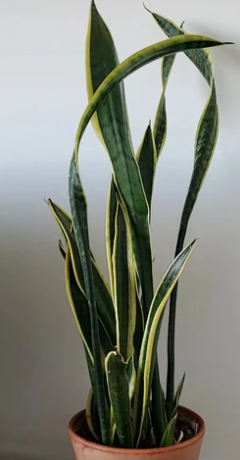
Understanding these causes helps you target the right care adjustments. Now, let’s figure out exactly what’s happening with your plant!
Section 2: Diagnosing the Exact Cause
To effectively fix your Snake Plant, you need to identify what’s causing the leggy growth. Here are the key factors to consider:
Cause 1: Insufficient Light
Snake Plants thrive in bright, indirect light. When they don’t get enough, they instinctively stretch upward in search of light, resulting in tall, sparse stems. How to confirm:
- Is your plant placed away from windows or in a dim corner?
- Does the plant seem to lean or grow toward the light source?
- Are the new leaves small and weak?
Cause 2: Overwatering or Poor Soil Drainage
Overwatering weakens stems and roots, causing the plant to become elongated and floppy as it struggles to support itself. How to confirm:
- Is the soil always moist or soggy?
- Are the roots soft or foul-smelling when you check?
- Do the stems seem weak or wobbly?
Cause 3: Lack of Nutrients
A deficiency in nitrogen can lead to spindly, leggy growth, as the plant lacks the resources for dense, healthy leaves. How to confirm:
- Has it been several months since your last fertilization?
- Are the leaves pale or small?
How to tell which cause applies:
- If the plant leans toward light and the leaves are small, light deficiency is likely.
- If the soil is constantly wet or roots smell bad, watering issues are probably the culprit.
- If the plant receives little fertilizer and the growth is weak, nutrient deficiency might be involved. Use this checklist to assess your plant's environment and care routine. Now, let’s look at how to fix the problem once identified!
Section 3: Treatment Solutions
Fixing leggy Snake Plant growth is straightforward once you understand the cause. Here’s what you should do:
Immediate actions to take (First 24-48 hours):
- Relocate to a brighter spot: Move your Snake Plant near a window with bright, indirect sunlight. If natural light is limited, consider using grow lights—full-spectrum LED grow lights work well.
- Adjust watering: Let the soil dry out completely before watering again. If the soil feels moist, hold off on watering.
- Check and improve soil drainage: Ensure the pot has drainage holes and consider repotting if soil is compacted or retains too much moisture.
Long-term treatment plan:
- Provide consistent, adequate lighting: Aim for 4-6 hours of bright, indirect sunlight daily. Use sheer curtains or position near east or west-facing windows.
- Use well-draining soil: Use a cactus or succulent mix, or amend regular potting soil with sand or perlite to improve drainage.
- Water correctly: Water only when the top inch of soil is dry, typically every 2-3 weeks depending on your environment.
- Fertilize during the growing season: Every 4-6 weeks using a balanced houseplant fertilizer diluted to half strength. Avoid over-fertilizing, which can cause abnormal growth.
Pruning and encouraging bushy growth:
- Using clean, sharp scissors or pruners, trim any excessively tall or floppy stems near the base. This encourages the plant to grow denser new shoots.
- Remove damaged or weak leaves to promote healthier growth.
Additional tips:
- Use natural remedies such as neem oil to prevent pests that can weaken your plant.
- Avoid chemical fertilizers or pesticides unless necessary, opting for organic options.
- Be patient; noticeable improvements can take a few months but will be worth it with consistent care. Recovery Timeline: You may start noticing denser, more compact growth within 3-6 months after making these adjustments, especially if you correct the lighting and watering.
Section 4: Prevention Tips
Preventing your Snake Plant from becoming leggy again involves maintaining optimal environmental conditions and consistent care:
- Optimize Lighting: Place your plant in a spot with bright, indirect sunlight—a south or east-facing window is ideal. If natural light is limited, supplement with LED grow lights for 12-14 hours daily.
- Maintain proper watering: Let the soil dry completely between waterings—generally every 2-3 weeks. Use your finger to check soil moisture.
- Fertilize appropriately: During the active growing season (spring and summer), feed monthly with a balanced, diluted fertilizer. In fall and winter, reduce or skip fertilizing.
- Monitor environmental conditions: Keep your Snake Plant away from drafts, heating vents, or AC units, which can stress the plant and cause uneven growth.
- Ensure good airflow: Regular air circulation helps prevent fungal issues and promotes healthy growth. Regularly inspecting your plant and adjusting care routines ensures sustained health and density—avoiding the leggy growth problem altogether!
Frequently Asked Questions
Q: How long until I see improvement in my Snake Plant's growth?
A: You should start to notice denser, more compact growth within 3 to 6 months after improving light, watering, and fertilization routines. Patience is key!
Q: Can I prune my leggy Snake Plant without harming it?
A: Absolutely! Use clean scissors or pruning shears to trim the tall, floppy stems at or near the base. This encourages new, bushier growth and keeps the plant looking tidy.
Q: What’s the best way to prevent my Snake Plant from becoming leggy again?
A: Maintain bright, indirect light, water only when the soil is dry, fertilize during active growth, and ensure good airflow. Regularly rotate the plant for even light exposure.
Q: Is it okay to repot my Snake Plant if it’s stretched out?
A: Yes, repotting into a slightly larger pot with fresh, well-draining soil allows stronger roots and encourages fuller growth. Do this during the spring for best results.
Conclusion
Key Takeaways:
- Leggy Snake Plants often signal environmental imbalances, mainly insufficient light or overwatering.
- Diagnosing the cause involves assessing light exposure, watering habits, and soil conditions.
- Corrective steps include relocating to brighter spots, adjusting watering schedules, and proper fertilization.
- Pruning and repotting support denser, healthier growth.
- Prevent future issues by providing optimal light, water, nutrients, and airflow. Remember, patience and consistent care are your best allies. Your Snake Plant can recover from leggy growth and become the beautiful, lush centerpiece you envision. Start making small changes today, and watch your plant flourish!
Happy plant parenting! Your Snake Plant is on its way to becoming fuller and happier.