Discover how to identify, treat, and prevent root rot on bottom leaves of Monstera Deliciosa with practical tips from a plant expert.
Introduction
Noticing your Monstera's bottom leaves turning brown or rotting can be worrying, especially when you’ve invested so much love and care into your indoor jungle. Rest assured, you're not alone in facing this challenge. Many plant parents encounter bottom leaf issues, often linked to root rot, which can seem daunting at first. But don’t panic! With a little knowledge and attentive care, you can diagnose the problem accurately, treat it effectively, and prevent it from happening again. This guide will walk you through understanding the causes of Monstera Deliciosa root rot on bottom leaves, how to address it, and the best practices to keep your plant healthy and thriving.
Section 1: Understanding the Problem
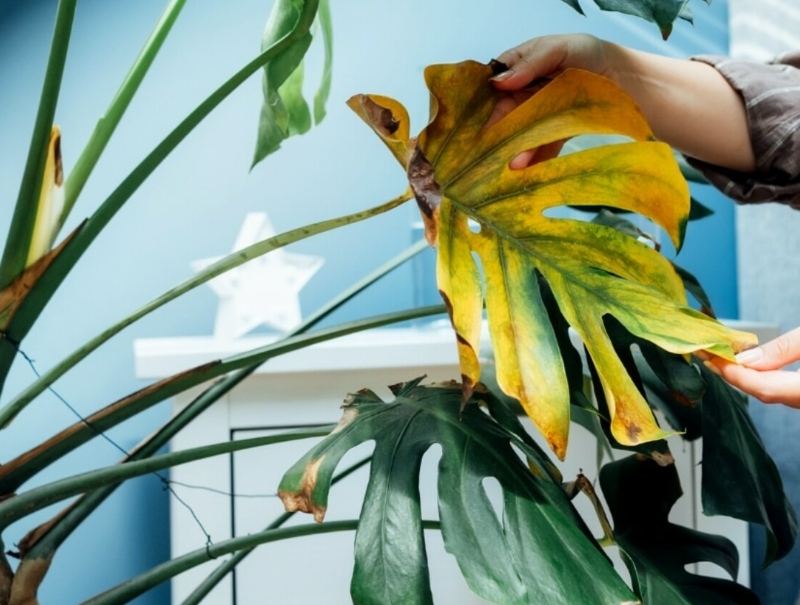
Visual identification: browning, soft, or mushy bottom leaves
The first sign of trouble often appears on the lower leaves of your Monstera. Look for:
- Browning or yellowing at the edges or tips
- Leaves that feel soft or mushy when gently touched
- Leaves that may drop prematurely
- Sometimes, you might notice an unpleasant odor coming from the soil or around the plant These symptoms suggest that the plant is struggling and could be experiencing root rot.
Overview of common causes: overwatering, poor drainage, root infections
The primary culprits behind bottom leaf rot in Monstera Deliciosa include:
- Overwatering: Providing too much water without allowing proper drying leads to saturated soil.
- Poor drainage or compacted soil: When water cannot drain effectively, it remains around the roots.
- Root infections: Fungi or bacteria infecting the roots thrive in overly moist environments, causing decay. Understanding these causes helps you tailor your care to prevent further damage.
Section 2: Diagnosing the Exact Cause
Follow a step-by-step process to determine what's causing the root rot
Accurate diagnosis is key to effective treatment. Here's how to identify the root cause:
Cause 1: Overwatering leading to saturated soil
- Check your watering habits: Are you watering your Monstera weekly or more often?
- Feel the soil: Is it constantly wet or soggy?
- Observe the plant’s overall health: Is the plant showing other signs of overwatering, like yellowing leaves or drooping?
Cause 2: Poor drainage or compacted soil trapping moisture
- Examine the pot: Does it have drainage holes?
- Inspect the soil: Is it dense, clay-like, or hard to break apart?
- Consider the pot material: Are you using non-porous materials like plastic that retain moisture?
Cause 3: Root infections from fungi or bacteria
- Gently remove the plant from its pot to inspect the roots.
- Look for:
- Dark, slimy, or rotting roots
- Foul smell emanating from the roots or soil
- Confirm if the decay is widespread or localized
How to tell which cause applies to your plant
By combining observations—soil moisture, pot drainage, root condition—you can determine whether overwatering, poor drainage, or infection is responsible. Often, multiple factors contribute, so a thorough inspection is essential.
Section 3: Treatment Solutions
Immediate actions: remove affected leaves, stop watering temporarily
- Carefully prune away rotten or severely damaged leaves using sterilized scissors.
- Cease watering temporarily to allow the soil to dry out.
- Place the plant in a well-ventilated, bright spot, avoiding direct sunlight during recovery.
Root inspection: repotting, pruning infected roots, disinfecting tools
- Remove the plant from its pot gently.
-
Inspect the roots carefully:
-
Healthy roots are firm and white or light tan.
- Infected roots are black, brown, slimy, or foul-smelling.
- Prune away infected roots with sterilized scissors or pruning shears.
- Disinfect tools with rubbing alcohol or a bleach solution (1 part bleach to 9 parts water).
- Repot the plant in fresh, well-draining soil suitable for Monsteras (a mix of peat, perlite, and compost works well).
Long-term care: adjusting watering habits, soil improvements, fungicide use if necessary
- Adjust your watering schedule: Water only when the top inch of soil feels dry.
- Improve drainage: Use pots with drainage holes and consider adding perlite or coarse sand to the soil.
- Use fungicides: If fungal infection is diagnosed, applying a fungicide labeled for houseplants can help prevent recurrence.
- Maintain proper humidity and airflow: Avoid overly humid or stagnant environments.
What to expect during recovery: regrowth timeline and care tips
- New leaf growth may start within a few weeks if the plant recovers.
- Be patient and consistent with care.
- Continue monitoring soil moisture and root health regularly.
Section 4: Prevention Tips
Care routine adjustments: proper watering schedule and drainage
- Water thoroughly only when the topsoil dries out.
- Ensure your pot has adequate drainage holes.
- Use well-draining soil mix to prevent water retention.
Environmental factors: humidity, pot selection, soil quality
- Keep humidity levels moderate; Monsteras enjoy around 60-70% humidity.
- Choose pots made of breathable materials like terracotta.
- Regularly refresh soil every 1-2 years to prevent compaction.
Regular monitoring: inspecting roots and leaves for early signs
- Check leaves regularly for browning or yellowing.
- Carefully inspect roots during routine repotting or if symptoms appear.
- Early detection allows for prompt action, saving your Monstera from severe issues.
Conclusion
Summary
To recap, bottom leaf rot in Monstera Deliciosa is often caused by overwatering, poor drainage, or root infections. Recognizing the symptoms early, diagnosing the root cause, and acting swiftly with proper treatment are crucial steps toward recovery. Implementing preventive measures—such as adjusting watering routines, improving soil drainage, and regularly inspecting your plant—will help keep your Monstera healthy and vibrant.
Encouragement
Remember, even if your Monstera has experienced root rot, with patience and attentive care, it can recover beautifully. Your plant relies on your love and vigilance, and every effort you make today sets the stage for a lush, thriving indoor garden.
Next steps
Start by examining your Monstera’s roots and soil today. Apply the treatment strategies discussed, and adopt preventive habits to ensure your plant remains resilient and healthy for years to come.
FAQ
Q: How long until I see improvement after treatment?
A: Typically, you can expect to see signs of recovery within 2-4 weeks. New growth will start appearing as the plant heals. Consistent care and avoiding overwatering are key to speeding up recovery.
Q: Will my Monstera fully recover from root rot?
A: Many Monsteras recover completely if the root rot is caught early and properly treated. However, severe root damage may limit growth or cause some leaves to die back. Patience and ongoing care improve the chances of full recovery.
Q: Should I prune all damaged leaves and roots?
A: Yes, removing all visibly damaged or rotting leaves and roots helps prevent the spread of infection and encourages healthy new growth. Always sterilize your tools before pruning to avoid spreading pathogens.
By following these guidelines, you can nurture your Monstera Deliciosa back to health and enjoy a lush, vibrant plant that adds life to your indoor space. Happy gardening!