Quick Summary: Curling leaves on your Snake Plant (Sansevieria) can be worrying, but it’s a common issue with straightforward fixes. Usually, it arises from watering problems, low humidity, pests, or stress. By correctly identifying the cause and acting promptly, you can help your plant recover its firm, upright leaves and thrive again.
Introduction
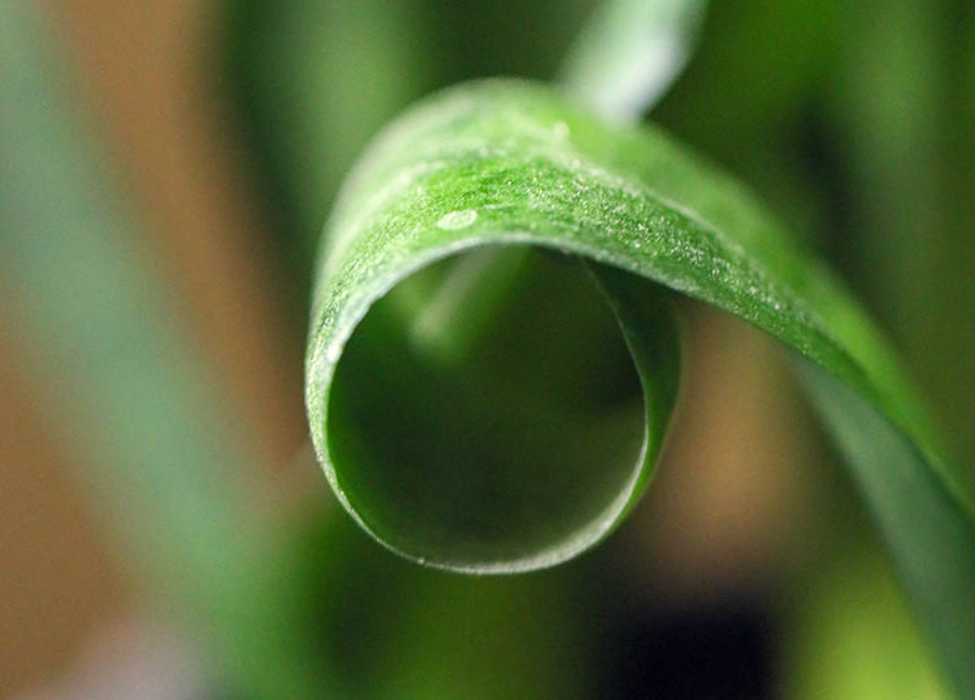
Noticing that your Snake Plant’s leaves are curling? If so, you’re not alone, and please don’t worry—this is a common concern among plant lovers. Curling leaves can be alarming, especially when you cherish your indoor green friends. The good news is that in most cases, curling is reversible with proper adjustments and care.
Your Snake Plant is resilient and adaptable, but like all plants, it reacts to environmental changes, watering habits, pests, or stress. The key is to understand what’s causing the curl and how to fix it. This guide will walk you through diagnosing the problem, taking immediate action, and implementing long-term care strategies. Rest assured—your plant can bounce back to its healthy, upright self with a little patience and the right care!
Section 1: Understanding the Problem
Visual identification of curling leaves
Snake Plant leaves typically stand tall and straight, with a tough, leathery texture. When they start to curl, you'll notice:
- Edges bending inward or downward
- The entire leaf curling in a spiral or wavy pattern
- Leaves appearing wilty or softer than usual
- Sometimes, discoloration or spots accompany the curling
Common causes overview
A curling Snake Plant can stem from several factors:
- Watering issues: Overwatering or underwatering can cause stress leading to curling.
- Low humidity: Dry indoor air, especially in winter, can cause leaves to lose turgidity.
- Pests: Tiny insects like spider mites or mealybugs can suck sap, weakening leaves.
- Stress or sudden environmental change: Moving plants or exposure to drafts may cause temporary curling. Understanding these causes is the first step to fixing your plant’s problem effectively.
Section 2: Diagnosing the Exact Cause
Follow these steps to pinpoint what’s causing your Snake Plant’s curling leaves:
Cause 1: Underwatering or inconsistent watering
- Symptoms: Leaves feel limp, soft, and curl inward. The soil is very dry.
- How to confirm: Check the soil moisture. If it’s bone dry several inches deep, underwatering is likely.
- Why: Dehydration causes cells to lose turgidity, making leaves wilt and curl.
Cause 2: Low humidity levels or drought stress
- Symptoms: Leaves may curl inward, especially at the edges, and appear dull.
- How to tell: Observe if your indoor air is dry—heating or cooling systems can reduce humidity.
- Why: Snake Plants prefer moderate humidity; dry air causes leaf dehydration.
Cause 3: Pests such as spider mites or mealybugs
- Symptoms: Tiny webs, specks, or cottony patches on leaves; curling leaves with speckled or stippled appearance.
- How to tell: Inspect leaves closely with a magnifying glass, especially the undersides.
- Why: Pests feed on plant sap, weakening leaves and causing curling.
How to tell which cause applies:
Create a simple checklist:
- Check soil moisture. Is it dry or overly wet?
- Feel the leaves. Are they limp and soft or firm?
- Look for pests or webbing on leaves.
- Assess indoor humidity: Is the air dry? Use a hygrometer if unsure. Answering these questions will help you identify whether watering, humidity, pests, or stress is the cause.
Section 3: Treatment Solutions
Once you've diagnosed the cause, act accordingly. Here's how to address each issue:
Immediate actions (first 24-48 hours):
-
Adjust watering:
-
If dry, water your Snake Plant thoroughly, allowing excess water to drain.
- If overly wet or soggy, let the soil dry out before watering again.
-
Increase humidity:
-
Place a humidifier nearby or set the pot on a tray with pebbles and water (ensure the pot’s bottom isn’t sitting in water).
-
Treat pests:
-
Identify pests with a magnifying glass.
- Spray with insecticidal soap or neem oil, following instructions.
- Wipe leaves gently to remove pests.
Long-term treatment:
- Proper watering practices:
- Water every 2-6 weeks, allowing soil to dry completely between watering.
- Use well-draining soil and pots with drainage holes.
- Environmental adjustments:
- Maintain indoor temperatures between 65-85°F (18-29°C).
- Keep humidity around 40-50%. Use humidifiers or grouping plants.
- Pest prevention:
- Regularly inspect your plant, especially the undersides of leaves.
- Isolate new plants for a couple of weeks to prevent spreading pests.
Monitoring recovery:
- After making adjustments, observe your plant over the next few weeks.
- Healthy leaves will start to straighten and regain firmness within 2-4 weeks.
- Persistent curling or yellowing indicates further issues needing review.
Section 4: Prevention Tips
Prevention is your best tool to keep Snake Plant leaves healthy and firm:
- Consistent watering: Water only after the top inch of soil dries out—around once every 2-4 weeks.
- Proper lighting: Place your Snake Plant in indirect bright light, which helps maintain healthy growth.
- Maintain appropriate humidity: Keep indoor humidity around 40-50%, especially in winter.
- Use well-draining soil and pots: Prevent water from stagnating around roots.
- Regular inspection: Check for pests every few weeks and catch infestations early.
- Avoid abrupt environmental changes: Move your plant gradually if needed and prevent drafts. Adopting these routines will significantly reduce the chances of leaf curling and other health issues.
Frequently Asked Questions
Q: How long until I see improvement after fixing watering or pest issues?
A: You should notice positive changes within 2-4 weeks. Leaves may straighten and regain firmness as the plant recovers from dehydration, pests, or stress.
Q: Can curling leaves be a sign of a serious disease?
A: Usually, curling alone isn’t a sign of disease unless accompanied by discoloration, spots, or mold. Persistent or worsening symptoms should be checked by an plant professional.
Q: Should I prune the curled leaves or leave them as is?
A: If the leaves are severely damaged or still curling after treatment, prune these leaves at the base. Healthy-looking leaves should be left to recover naturally.
Conclusion
Key Takeaways:
- Curling Snake Plant leaves often result from watering issues, low humidity, pests, or stress.
- Proper diagnosis—checking soil moisture, inspecting for pests, and assessing humidity—is essential.
- Immediate steps include adjusting watering, increasing humidity, and treating pests.
- Long-term care involves consistent watering routines, environmental adjustments, and pest prevention.
- Regular inspection and care routines help prevent curling leaves and keep your plant healthy. Remember, most leaf curling issues are manageable, and with patience and proper care, your Snake Plant can recover beautifully. Start diagnosing today, and watch your plant flourish once again!