Discover easy ways to revive your drooping ZZ Plant with proven care tips, treatments, and prevention strategies to keep it healthy and vibrant.
Introduction
Noticing drooping leaves on your ZZ Plant can be quite worrisome, especially when you’ve invested time and love into caring for it. The good news is that drooping, limp, or wilted leaves are often signs of minor issues that are entirely fixable. With understanding, patience, and some practical care adjustments, you can bring your plant back to life and enjoy its lush, upright foliage once again. This article will help you understand why your ZZ Plant's leaves may droop, how to diagnose the underlying cause, and what actionable steps you can take to restore its health. Keep in mind—most problems are reversible, and your plant can bounce back with the right care.
Understanding the Problem
Visual Identification: How Do Drooping Leaves Look?
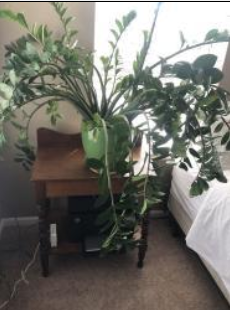
Drooping leaves on a ZZ Plant may appear as limp, soft, or wilting, sometimes accompanied by yellowing or browning. The leaves may hang downward rather than standing upright, giving your plant a sagging appearance. You might also notice some leaves curling or feeling softer to the touch; these are classic signs of stress or water imbalance.
Common Causes Overview
Several factors can cause ZZ Plant leaves to droop, including:
- Overwatering: Roots may suffocate, leading to root rot and loss of vital nutrients.
- Underwatering: Insufficient water causes dehydration, making leaves limp.
- Lighting issues: Too little or too much direct sunlight stresses the plant.
- Environmental stress: Drafts, sudden temperature changes, or low humidity can affect vigor.
- Pest infestation: Sometimes pests weaken the plant, leading to drooping. Understanding these causes set the foundation for effective diagnosis and treatment.
Diagnosing the Exact Cause
Follow These Steps to Identify Why Your ZZ Plant’s Leaves Are Drooping
Cause 1: Overwatering
- Symptoms: Mushy or rotten roots, soil that remains constantly wet, and a foul odor.
- How to detect: Gently remove the plant from its pot to inspect roots. Healthy roots are firm and white; black, brown, or slimy roots indicate root rot caused by overwatering.
Cause 2: Underwatering
- Symptoms: Dry, brittle leaves that feel crispy, soil that is very dry to touch.
- How to detect: Check the top inch of soil—if it’s dry and pulling away from the pot, the plant is likely thirsty.
Cause 3: Insufficient or Excessive Light
- Symptoms: Leggy growth, pale or yellow leaves, or crisp, sunburned leaf edges.
- How to detect: Observe the plant's placement. Is it in a low-light corner? Or in direct, harsh sunlight? Both extremes stress the plant.
How to Tell Which Cause Applies
- Soil moisture: Use your finger or a moisture meter—wet soil suggests overwatering, dry soil indicates underwatering.
- Root health: Remove the plant carefully to examine roots if suspecting rot.
- Placement: Look at the plant’s environment—does it receive adequate indirect light? Is it exposed to drafts or sudden temperature shifts? This detailed observation helps you choose the right remedy.
Treatment Solutions
Immediate Actions to Take
- Adjust watering habits: For overwatering, allow soil to dry out completely before watering again. For underwatering, water thoroughly until excess drains.
- Check soil moisture: Use your finger or a moisture meter regularly to ensure proper watering intervals.
- Relocate in appropriate lighting: Place your ZZ Plant in bright, indirect light; avoid direct sunlight, which can scorch leaves, or deep shade, which hampers growth.
Long-term Treatment Plan
- Repot if root rot is suspected: Carefully remove the plant, trim away rotten roots with sterile scissors, and repot in well-draining soil.
- Improve watering routine: Adopt consistent watering schedules—bottom watering is often recommended to avoid over-saturation.
- Optimize environmental conditions: Keep the plant in a stable environment with humidity levels between 40-60%, avoiding drafts and temperature extremes.
What to Expect During Recovery
- Leaves should gradually regain firmness.
- New growth may emerge as the plant recovers.
- Be patient—recovery can take a few weeks, but with consistent care, your ZZ Plant will bounce back.
Prevention Tips
Maintain Optimal Care to Prevent Future Drooping
Care Routine Adjustments
- Consistent watering schedule: Water only when the top inch of soil is dry. Remember, ZZ Plants prefer to be somewhat dry between waterings.
- Proper watering techniques: Bottom watering encourages roots to absorb moisture evenly and reduces risk of rot.
Environmental Factors to Monitor
- Light: Place your ZZ Plant where it gets bright, indirect sunlight—near east or west-facing windows works well.
- Drafts: Shield your plant from cold drafts or direct airflow from heaters or air conditioning units.
- Humidity: Maintain humidity at comfortable levels; ZZ Plants are tolerant but appreciate moderate moisture in the air.
Conclusion
In summary, drooping ZZ Plant leaves are often signs of water imbalance or environmental stress. With attentive observation, proper diagnosis, and targeted care, you can effectively fix this issue. Regular maintenance—like consistent watering, appropriate lighting, and environmental control—not only revives drooping plants but also prevents future problems. Remember: Most care issues are reversible. With patience and love, your ZZ Plant can recover and continue to be a stunning green companion in your home. Keep monitoring, adjust your care routine, and watch your plant thrive once again!
FAQ
Q: How long until I see improvement after fixing watering issues?
A: Typically, you can expect to see signs of recovery within a few weeks. Leaves may gradually stand upright, and new growth might become visible. Be patient, as recovery depends on the extent of previous stress and your care consistency.
Q: Can my ZZ Plant fully recover from drooping leaves?
A: Yes, most drooping is reversible, especially if caught early. Proper adjustments to watering, lighting, and environment can lead your plant back to health. Severe root rot may require more intensive treatment, but even then, recovery is often possible.
Q: Should I prune the drooping or damaged leaves?
A: Yes, pruning can help the plant conserve energy and promote new healthy growth. Use clean, sharp scissors to remove any yellowed, brown, or limp leaves. This also improves the plant’s aesthetic and reduces the risk of pests or disease.
Taking proactive steps today will help ensure your ZZ Plant remains robust and beautiful. Happy gardening!