Noticing brown tips on your Calathea can be concerning, but you're not alone—many plant lovers face this issue. Whether you're a beginner or an intermediate plant enthusiast, brown tips can be a frustrating sight, especially when you’re eager to keep your plant vibrant and healthy. The good news is that with a little understanding and some practical care adjustments, you can restore your Calathea’s lush appearance and prevent future problems. This comprehensive guide will help you identify, diagnose, and fix brown tips, along with effective prevention tips that keep your Calathea thriving. Rest assured, with patience and proper care, your plant can bounce back to its beautiful, healthy self!
Section 1: Understanding the Problem
Before jumping into solutions, it’s important to understand what brown tips look like and why they happen in Calatheas.
Visual Identification of Brown Tips
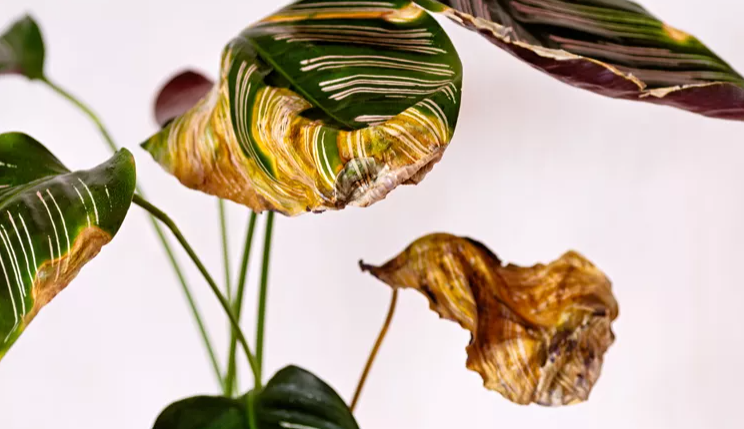
Brown tips on Calathea leaves usually appear as dry, crispy edges or spots at the leaf margins. They can range from light tan to dark brown and may sometimes cause the tips to appear shriveled or curled. Often, the brown tips are confined to the edges, but in severe cases, they can spread inward, affecting the overall health of the leaf.
Common Causes Overview
Several factors can lead to brown tips in Calatheas, including:
- Overwatering or underwatering: Both can stress the plant and cause leaf tips to brown.
- Low humidity: Calatheas are tropical plants that thrive in humid environments; dry air can cause tips to turn brown.
- Salt buildup: Excess salts from fertilizers or hard water can accumulate in the soil and damage leaf edges.
- Inconsistent watering: Fluctuations in watering habits can shock the plant, leading to browning. Understanding these common causes is the first step toward effective treatment.
Section 2: Diagnosing the Exact Cause
To effectively fix brown tips, you need to determine what’s primarily causing the issue in your specific plant.
Cause 1: Low Humidity — Calatheas thrive in humid environments; dry air causes tips to turn brown.
Signs: Brown tips appear mainly on the edges of leaves, especially during dry seasons or in air-conditioned homes where humidity is low.
Cause 2: Over or Underwatering — Fluctuations in watering can stress the plant and cause leaf tips to brown.
Signs: The soil may feel either too soggy or too dry. Overwatering often leads to root rot, while underwatering causes dehydration.
Cause 3: Salt and Mineral Buildup — Excess salts from fertilizers or hard water can damage leaf edges.
Signs: Brown tips may be accompanied by a white crust on the soil surface or salt deposits on the leaves.
How to Tell Which Cause Applies to Your Plant
- Check humidity levels: Use a hygrometer to measure indoor humidity. Ideally, it should be between 50-60%.
- Inspect watering habits: Feel the soil; if it’s constantly wet or bone dry, adjust your watering schedule accordingly.
- Look for salt buildup: Examine the soil surface and leaf edges for white deposits.
- Observe environmental factors: Is your plant near radiators, air vents, or in a dry room? These factors influence humidity. Once you’ve identified the likely cause, you can tailor your treatment plan effectively.
Section 3: Treatment Solutions
Depending on the diagnosed cause, here are practical steps to fix brown tips in your Calathea.
Immediate Actions
- Increase humidity: Use a humidifier, place a pebble tray with water beneath the plant, or group plants together to create a microenvironment with higher humidity.
- Adjust watering schedule: Water only when the top inch of soil feels dry. Ensure you’re not overwatering or underwatering.
- Flush the soil: If salt buildup is suspected, gently flush the soil with distilled or filtered water to remove excess salts.
Long-term Care
- Maintain consistent watering: Establish a regular watering routine, avoiding both drought and waterlogging.
- Use quality water: Switch to filtered, distilled, or rainwater, especially if your tap water is hard.
- Fertilize appropriately: Use a balanced, diluted houseplant fertilizer every 4-6 weeks during the growing season. Avoid over-fertilizing, which can lead to salt buildup.
- Increase ambient humidity: Regular misting, humidifiers, or placing the plant in a more humid room helps prevent dry tips.
Expected Recovery
With these adjustments, brown tips often stop spreading within a few weeks. New growth should appear healthier, and existing brown tips may not recover but can be pruned to improve appearance.
Section 4: Prevention Tips
Prevention is always better than cure. To keep your Calathea lush and free from brown tips:
Maintain a Consistent, Appropriate Watering Schedule
-
Water when the top inch of soil is dry.
-
Avoid letting the plant sit in water or dry out completely.
Increase and Monitor Humidity Levels
- Aim for 50-60% humidity.
- Use humidifiers or pebble trays regularly, especially in winter or dry climates.
Use Balanced Fertilizers and Flush Soil Periodically
- Fertilize during the growing season with a diluted formula.
- Flush the soil with water every few months to remove salt buildup.
Place Away from Direct Sunlight and Drafts
- Calatheas prefer bright, indirect light.
- Keep away from direct sunlight, heating vents, or drafts, which can stress the plant and cause browning.
Conclusion
By understanding the causes and implementing targeted treatments, you can restore your Calathea’s vibrant, healthy appearance. Remember, brown tips are often a sign of environmental stress or improper care, but most issues are fixable with attentive adjustments. Don’t be discouraged—most brown tips are reversible, and with consistent care, your Calathea can thrive once again. Start by diagnosing your plant’s specific issue, then follow the recommended solutions promptly. Your lush, beautiful indoor plant is worth the effort!
FAQ
Q: How long until I see improvement after fixing the issue?
A: Typically, you can expect to see signs of improvement within 2-4 weeks. New growth should appear healthier, and brown tips may cease spreading. If the browning persists, double-check your care routines and environmental conditions.
Q: Will my Calathea fully recover from brown tips?
A: In many cases, yes. While brown tips that are severely damaged may not recover fully, the overall health of your plant can improve significantly with proper care. Pruning brown tips can also help the plant redirect energy to healthy growth.
Q: Should I prune the brown tips or leave them?
A: It’s generally best to prune brown tips to promote a healthier appearance and prevent the browning from spreading further. Use clean, sharp scissors or pruning shears to carefully trim just the affected areas.
With patience and attentive care, your Calathea will once again display its stunning, lush foliage. Happy gardening!