Learn how to identify, diagnose, and treat black spots on your Philodendron, ensuring a healthy, vibrant indoor plant with our expert care tips.
Introduction
Noticing black spots on your beloved Philodendron can be worrying, especially when you want your lush, green plant to thrive indoors. While these dark patches might seem alarming at first, they are a common issue faced by many plant enthusiasts. The good news is that with proper diagnosis and care, you can easily address this problem and bring your plant back to health. This guide will help you understand the causes of black spots, how to accurately diagnose the underlying issue, apply effective treatments, and prevent future occurrences. With patience and care, your Philodendron can recover beautifully, becoming the vibrant centerpiece of your indoor garden once again.
Section 1: Understanding the Problem
Visual Identification of Black Spots on Leaves and Stems
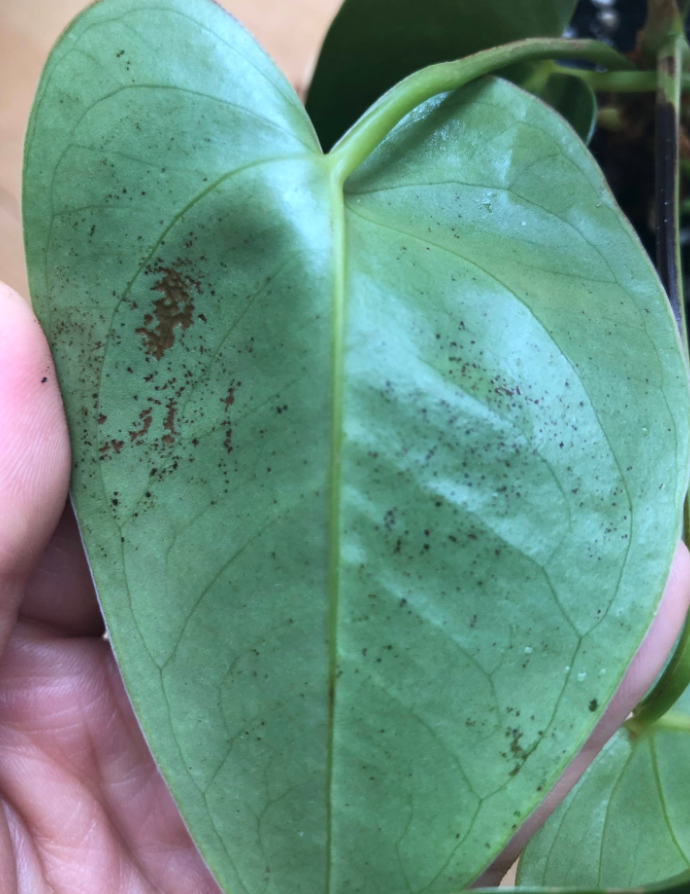
Black spots on a Philodendron are usually seen as small, irregularly shaped dark patches on the leaves or stems. They often start small but can spread rapidly if untreated. Some symptoms to look out for include:
- Dark, sunken spots: Usually a sign of infection.
- Spores or mold around the spots: Indicating fungal growth.
- Yellowing leaves with black patches: A sign of advanced stress or disease.
Common Causes Overview
Black spots are typically caused by a combination of factors, including:
- Fungal infections: Such as leaf spot diseases caused by fungi like Colletotrichum or Alternaria.
- Watering issues: Overwatering or water sitting on leaves can promote fungal growth and lead to rot.
- Sunburn: Excessive direct sunlight can cause sunburn marks that turn black or dark brown.
- Pests: Some pests, like scale or fungal gnats, can introduce pathogens leading to blackening.
- Environmental stress: Dry air, poor airflow, or rapid temperature fluctuations can weaken the plant’s defenses.
Section 2: Diagnosing the Exact Cause
Step-by-step to Determine the Root Cause
Correct diagnosis is essential for effective treatment. Here’s how to identify what’s causing the black spots on your Philodendron:
Cause 1: Fungal Infections (e.g., Anthracnose or Leaf Spot Diseases)
- Signs: Black, circular, or irregular patches with possible fuzzy or moldy growth around the edges. Leaves may also show spots of different sizes and colors.
- Diagnosis: Infected leaves often feel soft or slimy, and spots may enlarge over time. Confirm by inspecting for mold or spores.
Cause 2: Overwatering Leading to Root Rot and Fungal Growth
- Signs: Yellowing leaves, soft stems, and black spots often originating at the base.
- Diagnosis: Check the roots—if they are brown or black and mushy, overwatering is likely. Roots should be firm and white.
Cause 3: Environmental Stress Such as Sunburn or Dry Air
- Signs: Black or dark brown patches occurring on parts of the plant exposed to direct sunlight, especially on the leaves’ top or edges.
- Diagnosis: Think about recent changes in lighting, especially increasing direct sunlight or cold drafts.
How to Tell Which Cause Applies
- Examine the affected areas carefully.
- Remove some leaves and look at the undersides for pests or mold.
- Check the soil moisture—overly wet soil suggests overwatering.
- Reflect on recent lighting conditions or environmental changes.
Section 3: Treatment Solutions
Immediate Actions
- Isolate the plant: Prevent the spread of disease to other houseplants.
- Remove affected leaves: Use sterilized pruning scissors to cut away blackened or infected leaves and stems, cutting at least an inch below the affected area.
Natural Remedies
- Neem Oil: Acts as an antifungal agent. Mix according to package instructions and spray on affected areas.
- Hydrogen Peroxide Rinse: Mix one part hydrogen peroxide with two parts water and gently spray or rinse leaves to kill fungal spores.
- Improve Air Circulation: Use a fan or open windows to reduce humidity and promote dryness around the plant.
Chemical Treatments
- Fungicidal Sprays: Apply a suitable fungicide recommended for houseplants, following the label instructions carefully. Ensure good ventilation during application.
- Pruning Techniques: Sterilize tools before pruning to prevent spreading fungi or bacteria.
Supporting Recovery
- Adjust Watering: Let the top inch of soil dry out before watering again. Ensure pot has proper drainage.
- Control Humidity: Maintain moderate humidity levels; avoid excessive dampness.
- Proper Lighting: Provide bright, indirect light. Avoid direct sun that can cause sunburn.
Expected Recovery Timeline and Signs
- You might notice improved leaf color within a few weeks.
- Black spots should stop spreading after treatments.
- New growth appears healthy and free of black patches within 4-6 weeks.
Section 4: Prevention Tips
Establish Proper Care Routines
- Water only when the topsoil feels dry.
- Use pots with drainage holes to prevent waterlogging.
Monitoring Light Levels
- Place your Philodendron in bright, indirect light.
- Shield from harsh afternoon sun to avoid leaf burn.
Maintain Good Airflow and Humidity Balance
- Keep plants spaced sufficiently apart.
- Use fans or open windows to circulate air, especially in humid climates.
Regular Inspection and Early Treatment
- Check your plants weekly for early signs of black spots or pests.
- Remove and treat any small symptoms immediately to prevent escalation.
Use Sterilized Tools
- Always use sanitized scissors or pruning shears when trimming or removing affected parts.
Conclusion
Black spots on your Philodendron may seem daunting, but they are manageable with correct diagnosis and diligent care. Early intervention, combined with proper watering, lighting, and hygiene practices, can greatly enhance your plant’s chances of recovery. Remember, many indoor plant issues are reversible, and your plant's health can rebound with a little patience and attention. Don't be discouraged—your green thumb can make all the difference. Implement the recommended treatments, adjust your care routine, and keep a close eye on your plant’s progress. Soon enough, your Philodendron will be vibrant, lush, and free from black spots once again.
FAQ
Q: How long until I see improvement after treatment?
A: Typically, you can expect to see signs of recovery within 2 to 4 weeks. New healthy growth will appear, and black spots should stop spreading. Consistent care and monitoring accelerate healing.
Q: Can black spots cause my plant to die entirely?
A: Black spots alone might not kill your Philodendron, but if left untreated, they can indicate underlying issues like infections or rot that could ultimately threaten the plant’s health. Early intervention is key to preventing serious damage.
Q: Should I prune all affected leaves or only the severely damaged ones?
A: Prune only the leaves with extensive black spots or damage, making clean cuts to healthy tissue. Removing severely affected parts prevents disease spread and encourages healthier new growth.
If you follow these care steps and keep a vigilant eye on your Philodendron, you'll be well on your way to a healthier, more beautiful plant. Happy gardening!