Quick Summary: Sticky leaves on your Fiddle Leaf Fig can be concerning, but this common issue is manageable. It’s often caused by pests or fungal growth, and with targeted treatment and prevention strategies, your plant will bounce back beautifully.
Introduction
Noticing sticky spots or a shiny coating on your beloved Fiddle Leaf Fig can be alarming. As a plant parent, you invest time and love into keeping your tree healthy and vibrant, so it’s understandable to feel worried when symptoms like sticky leaves appear. But take a deep breath—this problem is quite common and, in most cases, easily fixed with some simple troubleshooting and care adjustments. In this article, we’ll walk through the typical causes of sticky leaves, how to diagnose what’s really going on, practical treatment steps, and our best tips to keep your Fiddle Leaf Fig pest-free and thriving in the future. Whether you see a shiny film, a trail of honeydew, or fuzzy patches, we’ll help you understand and solve the issue with confidence. With patience and gentle care, your plant can recover its healthy glow—so let’s get started!
Section 1: Understanding the Problem
Visual Identification
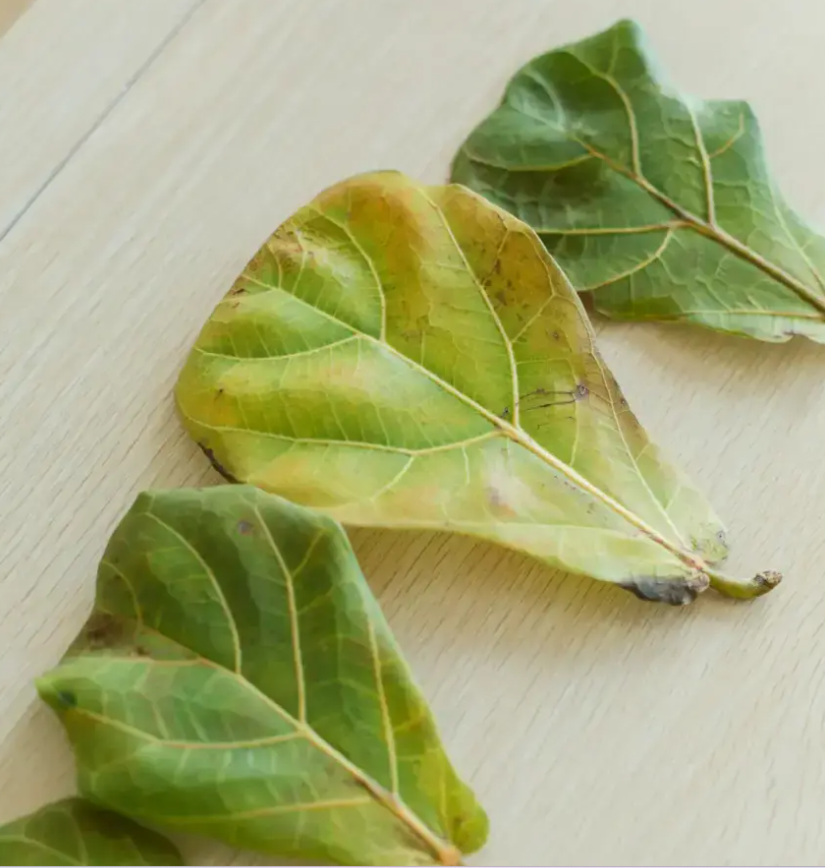
Sticky leaves on your Fiddle Leaf Fig often appear as a shiny, slick coating on the leaf surface. Sometimes, it looks like a thin film or a greasy residue. You might also notice dust or grime sticking to the sticky coating, making the leaves look dull or coated.
Common Causes Overview
The main culprits behind sticky leaves include:
- Pest infestations like scale insects or mealybugs, which secrete a sticky substance called honeydew.
- Fungal or microbial growth such as sooty mold, which thrives on honeydew deposits.
- Less commonly, fungal exudates or bacterial slime can produce sticky secretions, especially if pests are absent. Understanding the visual clues and analyzing your plant's environment helps narrow down the cause, so you can choose the most effective treatment.
Section 2: Diagnosing the Exact Cause
Step-by-step Process
To figure out what’s causing your Fiddle Leaf Fig to have sticky leaves, follow these steps:
Cause 1: Pest Infestation (Scale Insects, Mealybugs)
- Symptoms: Small, stationary bugs attached to stems or underside of leaves; white, cottony, or shell-like patches.
- How to Confirm: Use a magnifying glass to inspect the undersides of leaves and stems for tiny insects or their shells. Lightly tap the plant and observe if insects move or if white filmy patches appear.
- Why It Happens: These pests suck plant sap and produce honeydew, which makes the leaves sticky.
Cause 2: Sooty Mold
- Symptoms: Black, powdery or soot-like coating on the sticky residue.
- How to Confirm: Wipe a small part of the surface with a damp cloth; if the black mold comes off easily, it’s likely sooty mold growing on honeydew.
- Why It Happens: Sooty mold feeds on the honeydew secreted by pests like scale or mealybugs.
Cause 3: Fungal or Bacterial Infection
- Symptoms: Sticky, slimy secretions without visible pests, often in areas with high humidity or poor ventilation.
- How to Confirm: Check the underside of leaves and stems for insect presence. If none are found, and the sticky substance persists, fungal or bacterial sources might be at play.
- Why It Happens: Excess moisture and poor airflow can promote microbial exudates.
Decision Checklist:
- Do you see small insects or shells? Yes → Pest.
- Is there a black, powdery buildup that comes off with wiping? Yes → Sooty mold linked to pests.
- Are there no insects but sticky, slimy deposits? Yes → Possible fungal or bacterial origin.
Section 3: Treatment Solutions
Immediate Actions (First 24-48 Hours)
- Gently Wipe the Leaves:
Use a soft, damp cloth or sponge to remove honeydew and mold. This helps improve the plant’s appearance and reduces ongoing fungal growth. -
Identify and Remove Visible Pests:
-
For scale or mealybugs, scrape off large patches carefully with a soft brush or cloth.
- Wipe with a damp cloth to dislodge pests and debris.
-
Apply Natural Insecticidal Treatments:
-
Neem oil solution: Mix 1 teaspoon neem oil with a few drops of dish soap in a liter of water. Spray on leaves, paying attention to undersides and stems.
- Insecticidal soap: Use a commercial product or DIY spray to suffocate pests.
- Avoid Overwatering:
Excess moisture can exacerbate fungal issues, so hold off on watering until your plant stabilizes.
Long-term Treatment Plan
- Regular Inspections: Check weekly for pests or new sticky spots.
- Maintain Optimal Conditions: Keep humidity moderate and ensure good airflow.
- Natural Preventive Sprays: Reapply neem oil or insecticidal soap bi-weekly if pests persist.
- Cultural Care: Quarantine new plants, avoid over-fertilizing (which attracts pests), and keep leaves clean with gentle wipes.
What to Expect During Recovery
You’ll notice some improvement within a few days—sticky residue will diminish, and pests will reduce in number. Leaves may take a week or two to fully recover their healthy appearance. Remember to monitor regularly and avoid overwatering, which promotes fungal growth.
Signs Treatment Isn’t Working
If after two weeks you see no change or pests persist, consider stronger options like horticultural oils or consulting a plant specialist for custom solutions.
Section 4: Prevention Tips
-
Care Routine Adjustments:
Quarantine new plants for at least a week before introducing them to your collection. Regularly dust and wipe down leaves to remove dust and prevent pest buildup. -
Environmental Factors:
Maintain moderate humidity (ideally 40-60%), good air circulation, and avoid overwatering or waterlogged soil. -
Plant Health Maintenance:
Healthy plants are less susceptible to pests. Use balanced, appropriate fertilizers and avoid excessive feeding. -
Routine Checks:
Once every week, inspect the undersides of leaves and stems for tiny pests or early signs of mold.
Frequently Asked Questions
Q: How long until I see improvement after treatment?
A: Many people notice a reduction in sticky residue and pests within 3-7 days. Complete recovery may take 2-3 weeks, depending on the severity and consistency of treatment.
Q: Will my Fiddle Leaf Fig fully recover from sticky leaves?
A: Yes, with proper treatment and care, most plants can eliminate pests or fungal issues and regain their healthy appearance. However, severely damaged leaves may not recover and could need pruning.
Q: Should I prune heavily damaged leaves or branches?
A: Yes. If leaves are heavily affected or obviously rotting, prune them with clean, sharp scissors. This reduces pest hiding spots and encourages new, healthy growth.
Conclusion
Key Takeaways:
- Sticky leaves often result from pests like scale insects or fungal growth on honeydew.
- Immediate steps include wiping leaves, removing pests, and applying natural insecticides.
- Maintain proper environmental conditions and conduct routine inspections to prevent recurrence.
- With timely and gentle care, your Fiddle Leaf Fig can recover and continue bringing beauty to your space. Remember, troubleshooting may take a bit of patience, but your plant’s health is worth the effort. Start by inspecting your Fiddle Leaf Fig, treat the cause thoughtfully, and keep up with preventive care—soon your plant will shed that sticky stress and thrive again!