Quick Summary: Brown tips on your Pothos can be a sign of environmental stress or improper care. Fortunately, identifying the cause and implementing simple fixes can help your plant bounce back to lush, healthy green.
Introduction
Noticing brown tips on your beloved Pothos (Epipremnum aureum) can be pretty concerning—you're worried it might be a sign of serious health issues or that you're somehow not caring for it right. First, take a deep breath—brown tips are a common problem, and the good news is, they’re usually easy to address with a bit of tweaking in your care routine. Many plant parents feel anxious when they see their plants looking distressed, but understanding what causes these brown edges—and how to fix them—can restore your Pothos to its vibrant best. In this article, we’ll explore why brown tips occur on Pothos leaves, how to accurately diagnose the root cause, and most importantly, simple, practical solutions to help your plant recover. Whether it’s adjusting watering habits, increasing humidity, or fertilizing correctly, you’ll learn the key steps to revive your plant’s health and prevent future browning. With patience and care, your Pothos will once again thrive and bring beauty into your space.
Section 1: Understanding the Problem
Visual Identification: Recognizing Brown Tips and Their Progression
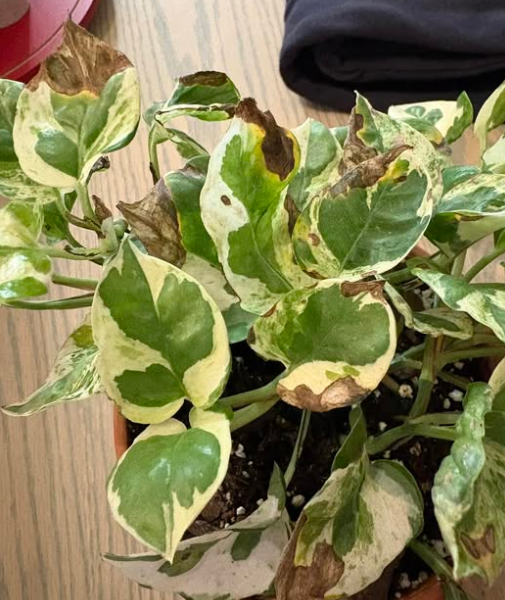
Brown tips on a Pothos usually appear as dried, darkened, or tan edges at the very tip of the leaf. They may start small but often enlarge or turn crispy as the issue persists. Sometimes, only the edges are affected, while other times, the browning can extend down the sides of the leaf. Healthy Pothos leaves are vibrant, lush green, and free of such discoloration, so any browning indicates some stress.
Common Causes Overview: Environmental Stress, Watering Issues, Handling, or Nutrient Imbalances
Brown tips are often caused by:
- Overwatering or poor drainage
- Low humidity or dry indoor air
- Excess fertilizer or salt buildup
- Salt and mineral deposits in the soil
- Inconsistent watering habits
- Handling damage or physical injury Understanding these causes is crucial. Sometimes, multiple factors combine, making the problem appear more complicated. Let’s learn how to systematically identify what’s affecting your plant.
Section 2: Diagnosing the Exact Cause
Pinpointing why your Pothos has brown tips involves a bit of detective work. Think about your plant’s environment and care routines:
Cause 1: Overwatering or Poor Drainage
Symptoms: The soil feels consistently moist or soggy, and leaves may look dull or yellowing before browning tips appear. Excess water can lead to root rot, which stresses the plant and causes leaf tips to turn brown. How to confirm: Check the soil moisture with your finger—if it stays wet for days, overwatering is likely. Also look for foul smell or mold at the soil surface. Why it happens: Excess water washes away oxygen from roots and promotes rot, leading to stress signs like browning tips.
Cause 2: Low Humidity or Dry Air
Symptoms: Brown tips occur primarily during colder months or in dry environments; the leaf edges feel papery or crispy. How to confirm: Use a hygrometer to measure humidity—ideally, indoor levels should be between 50-60% for Pothos. Dry air is especially problematic if you keep your plant near heaters or air conditioners. Why it happens: Pothos prefers higher humidity, and dry air can cause dehydration at the leaf tips.
Cause 3: Excess Fertilizer or Salt Buildup
Symptoms: Brown tips may appear suddenly after fertilizing, especially if too much fertilizer was used or if salts accumulate in the soil. How to confirm: Flush the soil with water to wash out excess salts. If the browning stopped afterward, fertilizer buildup was likely the culprit. Why it happens: Over-fertilization causes salt deposits, which draw moisture away from leaf tips.
How to Tell Which One It Is:
- Have you been watering frequently? Check the soil moisture.
- Is the air dry or the plant near heat sources? Consider humidity.
- Did the browning appear after fertilizing? Possibly salt buildup.
- Is the soil soggy or poorly draining? Likely overwatering issues. Creating a simple checklist helps you identify the root cause before taking action.
Section 3: Treatment Solutions
Once you’ve identified the likely cause(s), you can proceed with targeted fixes:
Immediate Actions (First 24-48 Hours):
1. Check soil moisture:
Insert your finger about an inch into the soil. If it’s wet, hold off on watering further.
2. Flush the soil:
If salt buildup or overfertilization is suspected, water thoroughly until excess drains out of the bottom. Use distilled or rainwater if your tap water is hard or contains high minerals.
3. Increase humidity:
Place your Pothos on a pebble tray filled with water or use a humidifier. Grouping plants together also boosts local humidity.
4. Prune affected tips:
Using clean scissors, cut just beyond the brown tips to improve appearance and prevent decay from spreading. Do not remove healthy green tissue.
Long-Term Treatment:
- Adjust watering: Water only when the top 1-2 inches of soil feels dry. Ensure your pot has drainage holes to prevent waterlogging.
- Switch to a humid environment: Use a humidifier or keep the plant in a naturally more humid space like a kitchen or bathroom.
- Fertilize cautiously: Use a balanced, diluted fertilizer every 4-6 weeks during the growing season. Avoid over-fertilizing—stick to recommended doses.
- Use natural remedies: For salt buildup, an occasional watering with a mixture of hydrogen peroxide and water (1 part peroxide to 4 parts water) can help improve root health. Neem oil can deter pests but isn’t directly related to browning tips.
What to Expect During Recovery:
- Most brown tips won’t turn green again, but new growth should be healthy.
- Expect visible improvement in 2-4 weeks if you address the root cause effectively.
- Watch for new leaf tips that are healthy and green—these are signs your care adjustments work. Warning: If browning persists despite caring for environmental issues, consider inspecting roots for rot or pests. Sometimes, persistent problems need further investigation.
Section 4: Prevention Tips
Prevention is key for keeping your Pothos looking lush and vibrant. Here’s how:
- Water only when the topsoil feels dry: Avoid routine watering on a schedule—check soil moisture first.
- Maintain proper humidity: Aim for 50-60% humidity. Use a humidifier or pebble tray in dry seasons.
- Ensure proper drainage: Use well-draining soil and pots with drainage holes to prevent water from sitting at the roots.
- Fertilize thoughtfully: Feed your plant every 4-6 weeks with a diluted balanced fertilizer—less is more.
- Prune regularly: Remove yellowing or damaged leaves to promote healthy new growth and reduce stress.
- Avoid temperature shocks: Keep your Pothos away from drafts, heaters, or cold windows. Maintain consistent indoor temperatures around 65-85°F (18-29°C). By incorporating these routines, you’ll help your Pothos stay healthy and reduce the chances of browning tips in the future.
Frequently Asked Questions
Q: How long until I see improvement after fixing watering or humidity issues?
A: Typically, you’ll notice healthier new leaf growth within 2-4 weeks. Existing brown tips won’t turn green, but you will see decreased browning on new growth if conditions improve.
Q: Can brown tips come back green and healthy?
A: Unfortunately, once a leaf develops brown tips, they generally won’t turn green again. Focus on preventing future issues for new growth.
Q: Should I prune all brown tips or only the visibly damaged parts?
A: It’s best to trim only the brown, crispy tips—about a quarter to half an inch above healthy tissue. This encourages a neater appearance and prevents decay.
Conclusion
Key Takeaways:
- Brown tips on Pothos are common and usually caused by overwatering, dry air, or salt buildup.
- Diagnosing the cause involves observing watering habits, humidity levels, and recent fertilizing.
- Simple fixes like adjusting watering routines, increasing humidity, and pruning damaged leaves can turn your plant's health around.
- Prevent future browning by maintaining proper watering, humidity, drainage, and balanced fertilizing. Remember, your Pothos is resilient, and with gentle care, it can recover beautifully. Don’t be discouraged—each adjustment is a step toward a healthier, happier plant. Start with a soil check, tweak your watering habits, and watch your Pothos thrive again!
Want to keep your Pothos looking its best?
Stay observant, maintain consistent care routines, and enjoy the rewarding process of nurturing your indoor jungle. Happy planting!